Walk around your home at night and you can immediately feel how much lighting shapes your environment: the warm pool of light over the living room sofa, the harsh glare in the hallway, or the gloomy corner you keep meaning to fix. Now add up how many bulbs you have in your house and how long they are turned on every day… that is a quiet, but massive, part of your monthly electricity bill.
“There is no energy crisis, only a crisis of ignorance.” – R. Buckminster Fuller
The good news? Upgrading to energy-efficient lighting is the cheapest, fastest home improvement you can make. Swapping old incandescent bulbs for modern LEDs cuts lighting electricity use by up to 90%. Furthermore, they do not generate the extreme heat that old incandescent bulbs do, which subtly lowers your air conditioning costs in the summer.
But efficiency is only half the battle. A bright, cool-white light that helps you chop vegetables safely in the kitchen will feel horrible if placed over your bed at 11 p.m. In this guide, we will walk room-by-room through how to choose energy-efficient lighting that actually feels good to live with.
1. Understanding the “New” Bulb Metrics
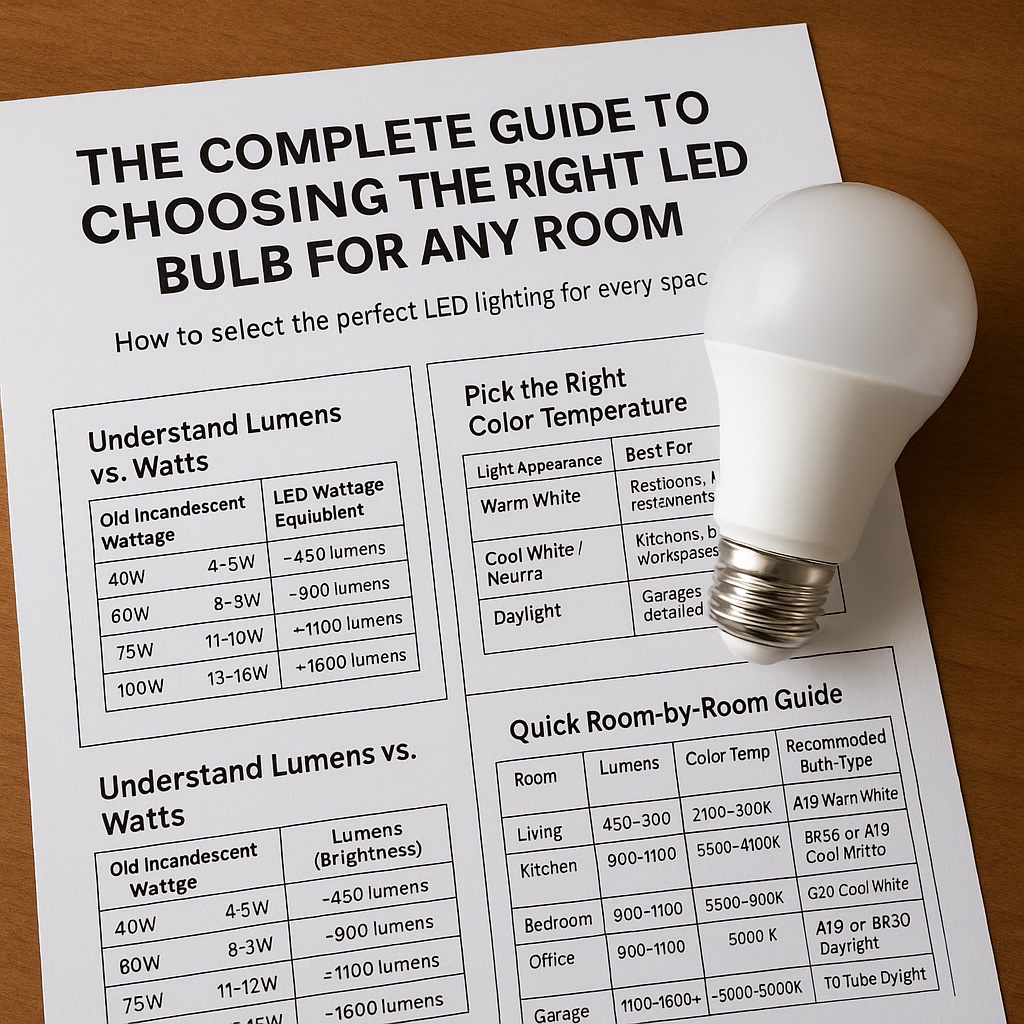
If you grew up buying 60-watt or 100-watt bulbs based purely on how bright you wanted the room, the modern lighting aisle can feel like learning a foreign language. Here is the modern cheat sheet you need to avoid buying the wrong light.
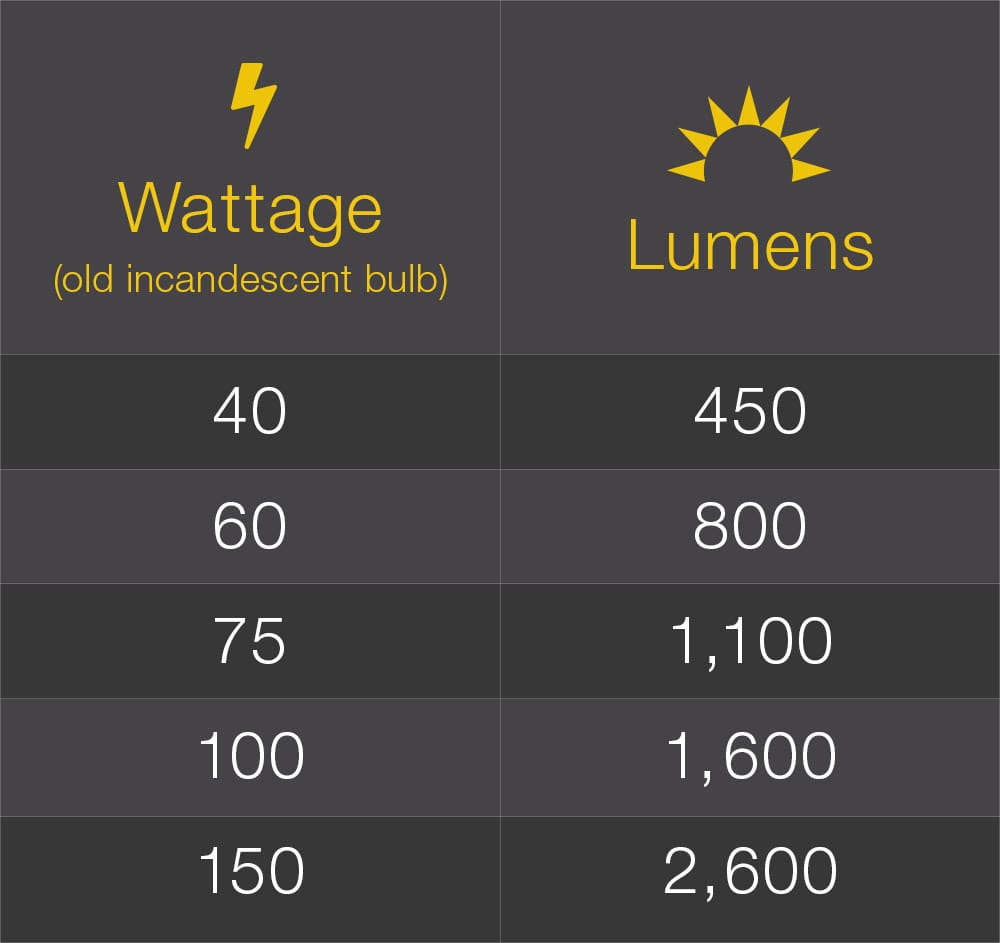
Lumens = Brightness
Stop looking at Watts for brightness. Watts only measure how much energy the bulb consumes. Lumens measure how much light it produces. A modern 800-lumen LED is just as bright as an old 60W bulb, but it only uses about 9 Watts of power to do it.
Kelvins (K) = Color/Mood
This measures the “temperature” or hue of the light. 2700K – 3000K is “Warm White” (yellowish, cozy, like a sunset). 3500K – 4000K is “Neutral/Cool White” (pure white, great for working). 5000K+ is “Daylight” (bluish, harsh, best reserved for garages).
2. Room-by-Room LED Strategy
According to lighting design experts, choosing the right colour temperature transforms how rooms look and feel. Here is how to apply that to your home.
The Kitchen: High-Task Clarity
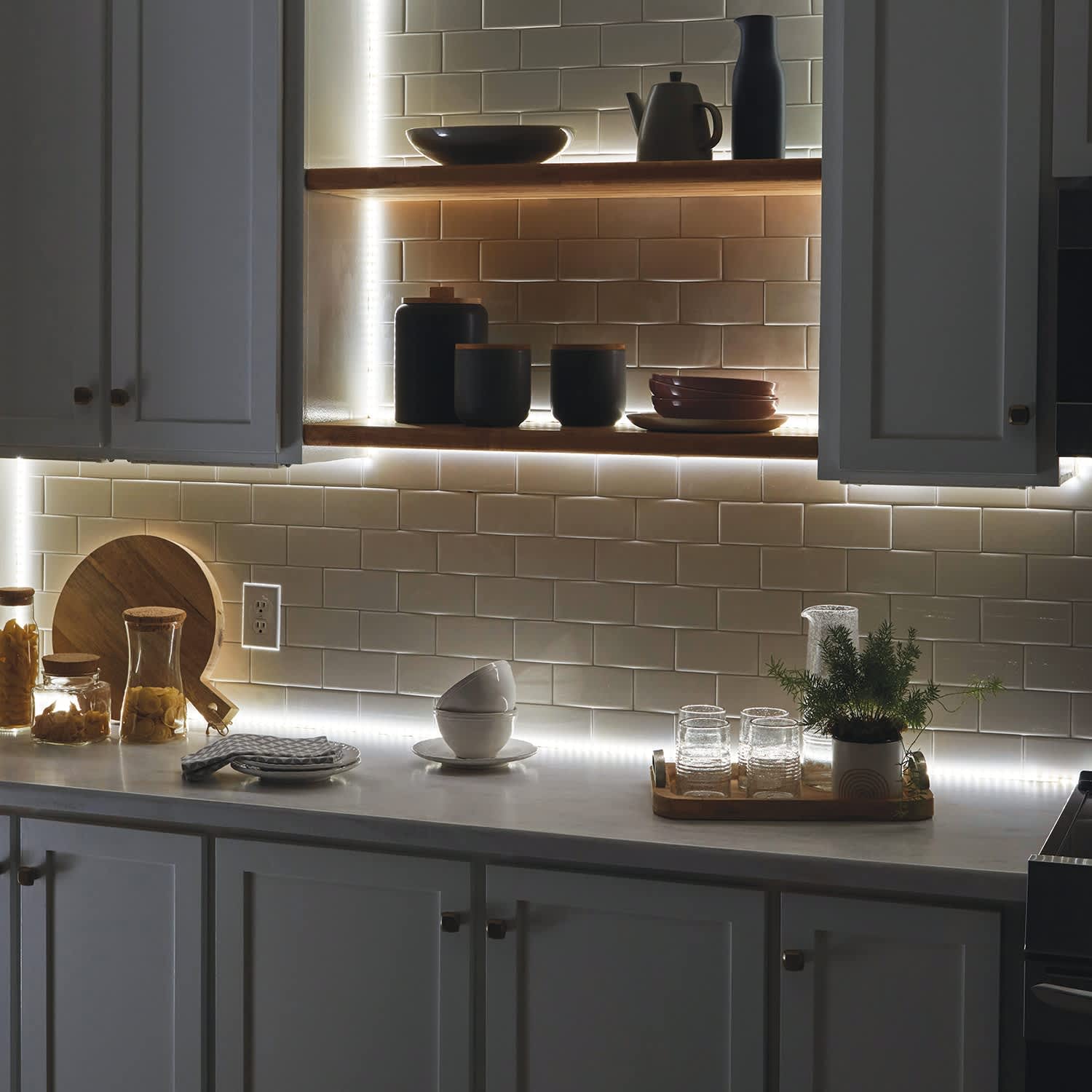
The kitchen is a workspace. You need to see exactly what you are cutting, cleaning, and cooking. Skip the moody, dim yellow lights here.
- Overhead/Recessed Lights: Aim for 3500K to 4000K (Neutral White) to keep the room looking clean, vibrant, and focused.
- Brightness: Kitchens require a lot of light. Aim for 1,100 to 1,600 lumens for overhead fixtures.
- Under-Cabinet LED Strips: These are the ultimate energy-saving hack. Instead of turning on six heavy overhead lights to make a midnight snack, install a 15-watt LED strip under your upper cabinets. It floods your countertops with perfect task light for pennies a year.
The Living Room: Layered Ambiance
Living rooms require extreme flexibility. You watch movies, host guests, and read books in the exact same space. The secret to efficiency and comfort here is layering and dimmers.
- Color Temperature: Stick strictly to 2700K (Warm White) to replicate the cozy, relaxing feel of traditional incandescent bulbs.
- The Dimmer Hack: Make sure you buy bulbs explicitly labeled “Dimmable LED.” Running an LED at 50% brightness on a dimmer switch extends its lifespan drastically and cuts its already-low energy consumption in half.
The Bathroom & Bedroom: Comfort and Accuracy
In the bathroom, you want high-quality light so you can do your makeup or shave accurately. Look for LED bulbs with a CRI (Color Rendering Index) of 90 or higher in the 3000K range. Cheap LEDs with low CRI make human skin look sickly or slightly green in the mirror.
In the bedroom, light impacts your circadian rhythm. Blue light inhibits melatonin production and makes it hard to fall asleep. Stick strictly to 2700K warm bulbs in your bedside lamps. For the ultimate efficiency upgrade, install a low-wattage motion-sensor nightlight under the bed frame so you never have to blind yourself (or waste energy) when getting up at 3 a.m.
3. The Truth About “Smart” Lighting
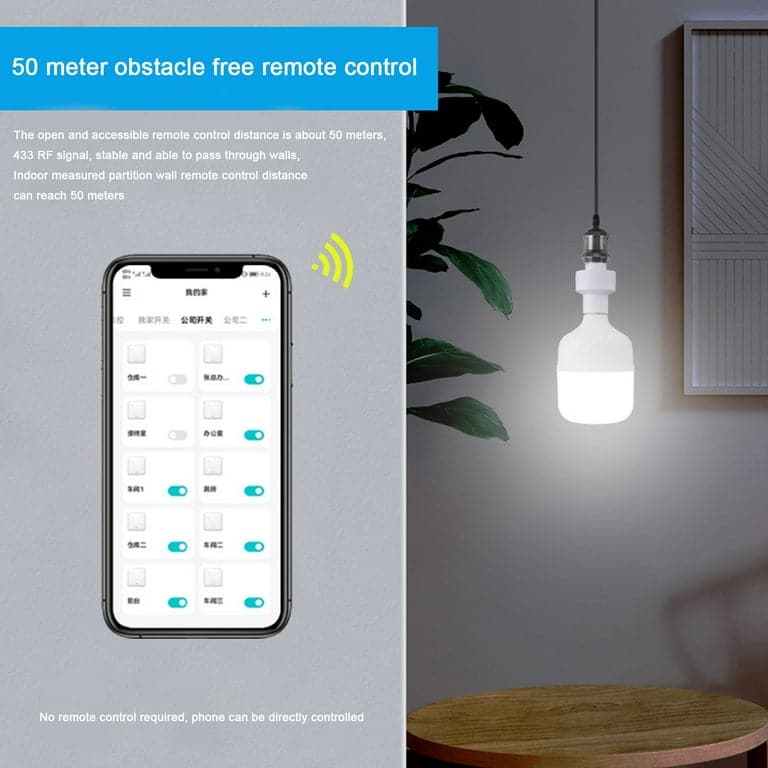
Smart bulbs (like Philips Hue or TP-Link) are incredibly popular, but are they actually energy efficient? Yes and no. A smart bulb uses very little power to light the room, but it does use a tiny trickle of “standby power” (around 0.2 to 0.5 watts) 24/7 to maintain its Wi-Fi connection so it can hear your voice commands.
However, the automation features far outweigh the tiny standby draw. You save massive amounts of energy by utilizing their smart features:
- Geofencing: Setting your system to automatically turn off every light in the house the moment your smartphone GPS leaves the driveway.
- Schedules: Dimming the living room lights automatically by 30% after 9:00 p.m., lowering your wattage draw effortlessly.
What Homeowners Are Actually Saying
Real, unedited feedback from homeowners who made the switch to full-home LED lighting:
“I finally bit the bullet and swapped every bulb in my apartment to LED. My bill isn’t huge but over a year it’s definitely lower, and the best part is I don’t have bulbs burning out every few months anymore.”
— Homeowner Forum User
“My parents were weirdly attached to their old yellow incandescent bulbs until I showed them warm-white LEDs. Now they can’t tell the difference and the house isn’t an oven in summer.”
— Homeowner Forum User
Frequently Asked Questions
Do I need special fixtures for LED bulbs?
In most cases, no. Standard LED bulbs are designed with identical screw bases (like E26 in the US or E27 in Europe) to fit your existing lamps and ceiling fixtures perfectly. The only time you need to be careful is if you are installing them on an old dimmer switch; an older, incompatible dimmer will make the LED buzz or flicker.
Should I wait until my old bulbs burn out before replacing them?
Financially, it is highly recommended to immediately replace the “worst offenders” right now. If you have four 60-watt incandescent bulbs in your kitchen ceiling that run for 5 hours a day, swap them today. They are literally burning money. For a closet light you use for 30 seconds a week? You can leave that old bulb until it eventually dies.
Are LEDs safe for sensitive eyes?
Yes, provided you buy quality. Some incredibly cheap LEDs suffer from “invisible flicker” which can cause headaches for sensitive people. Stick to reputable brands, look for “Flicker-Free” on the packaging, and utilize warm 2700K temperatures to avoid harsh blue-light strain in your living areas.