Last updated: | Read time: ~9 minutes
An apartment balcony is a fantastic perk, but it can feel completely useless once the sun goes down. If you are stuck with a single, glaring overhead bulb—or worse, no light at all—it is hard to actually enjoy your outdoor space at night.
As a renter, your options usually feel frustratingly limited. You cannot exactly hire an electrician to wire in a new wall sconce, and taking a drill to the exterior stucco or metal railings is a guaranteed way to lose your security deposit. Property managers strictly prohibit any facade changes or hardwiring.
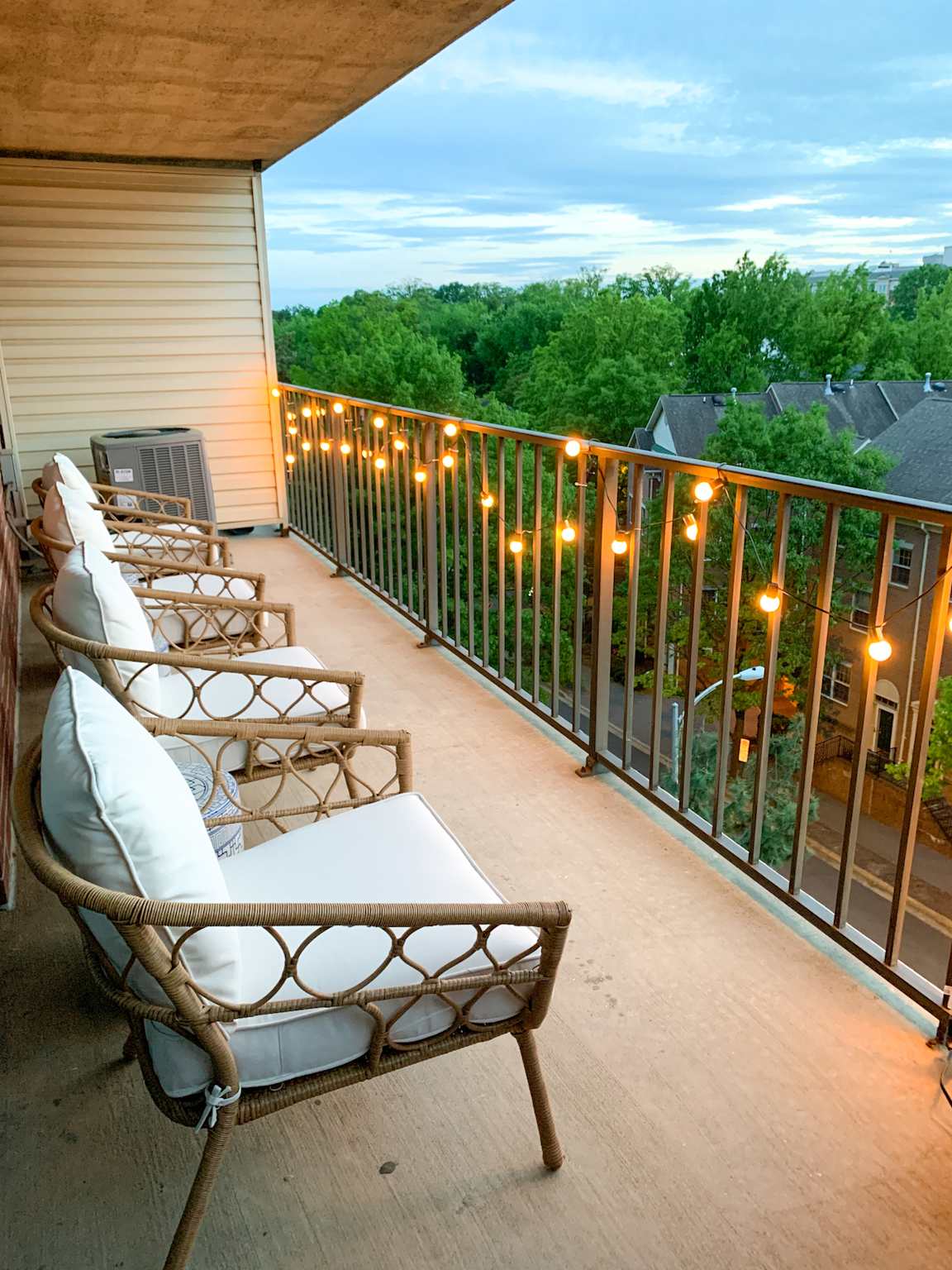
Solar lights are the obvious, renter-friendly workaround for urban homes. They cost nothing to run, require zero electrical experience, and pack up easily into a moving box when your lease ends. But getting them to actually work efficiently on a covered or north-facing balcony takes a bit of strategy.
Let’s look at how to get around the dreaded balcony shade, the safest ways to mount your lights without a single screw, and the technical details you should check before buying.
1. Beating the “Shaded Balcony” Problem
A common frustration for apartment dwellers is buying a set of solar lights, setting them up, and watching them completely die after 45 minutes. Most of the time, the lights are not broken—they are just starved for sunlight.
Balconies are notorious for partial shade. Even a tiny shadow from a metal railing spindle falling across your solar panel can drastically cut its charging power. Solar panels need direct, unblocked access to UV rays to fill their internal batteries efficiently.
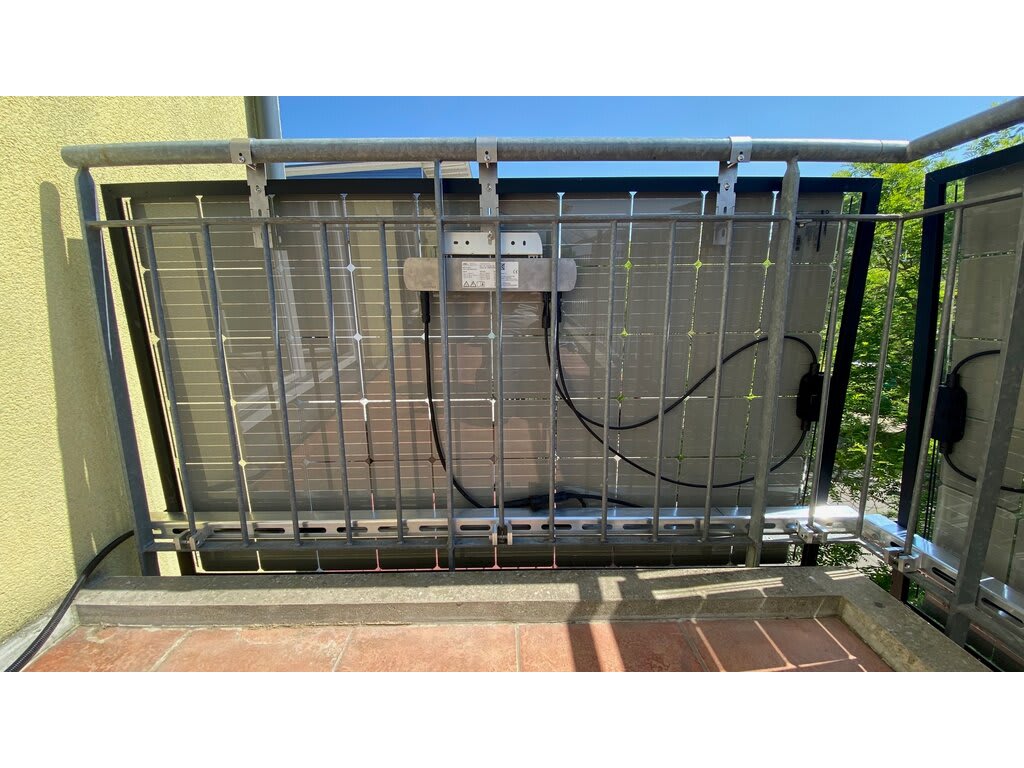
The Fix: Buy lights with a detachable panel.
If you have a deep roof overhang or a solid concrete railing, skip the “all-in-one” lights where the solar panel is permanently attached to the bulb. Instead, look for sets that feature a separate solar panel connected by a long weatherized cable (usually 10 to 15 feet). This allows you to zip-tie the panel to the sunniest, outermost edge of your railing—ideally facing south or west—while stringing the actual lights deep into your shaded seating area.
2. Solar Light Styles That Make Sense for Small Spaces
Not every outdoor light looks right on a compact apartment terrace. Large security floodlights will just annoy your neighbors, and cheap plastic stakes look out of place on a concrete floor. Here are the most practical options that elevate an outdoor space without making it feel cluttered:
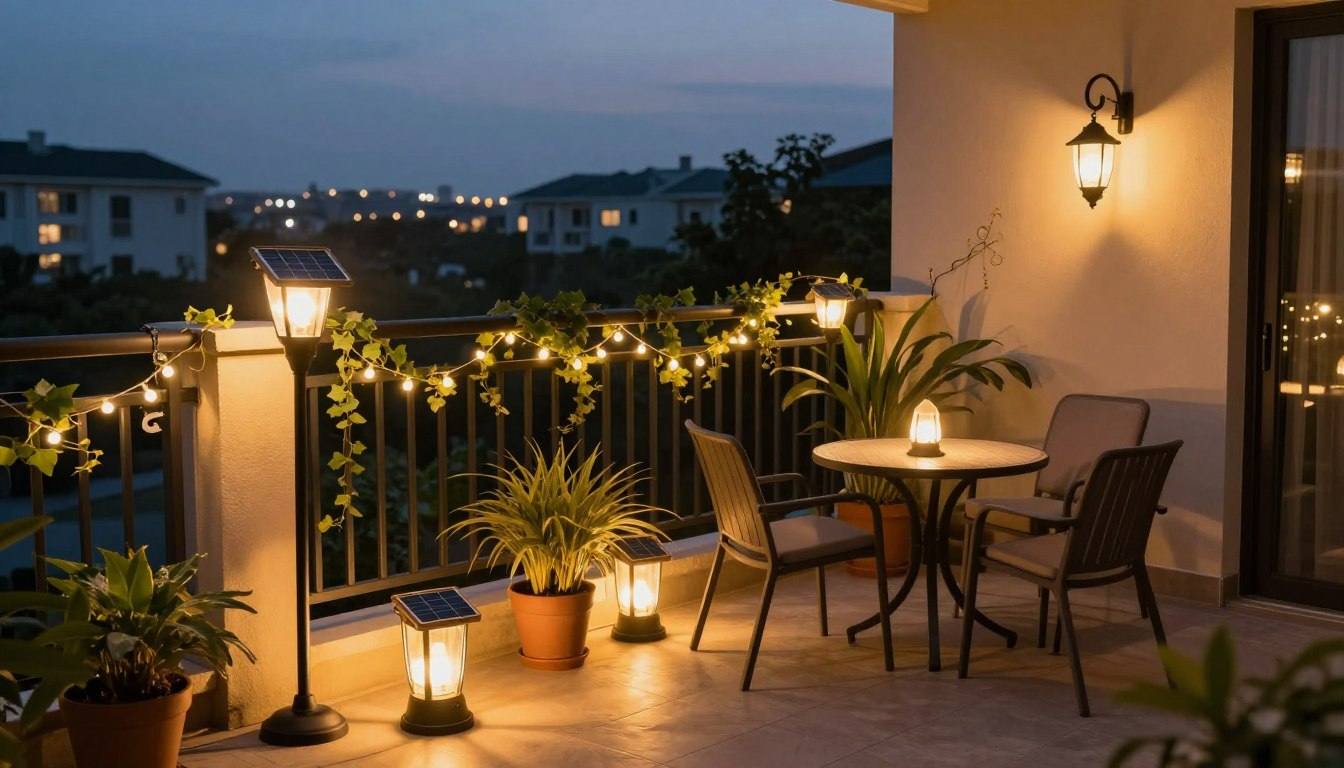
- Solar String Lights (The Cafe Vibe) These are perfect for creating a warm, relaxed atmosphere. Always stick to “warm white” bulbs (around 2700K to 3000K). Cool white can feel harsh, clinical, and tends to attract more nighttime bugs. Pro tip: If your balcony only gets a few hours of direct sun, choose a shorter string. Fewer bulbs mean less battery drain.
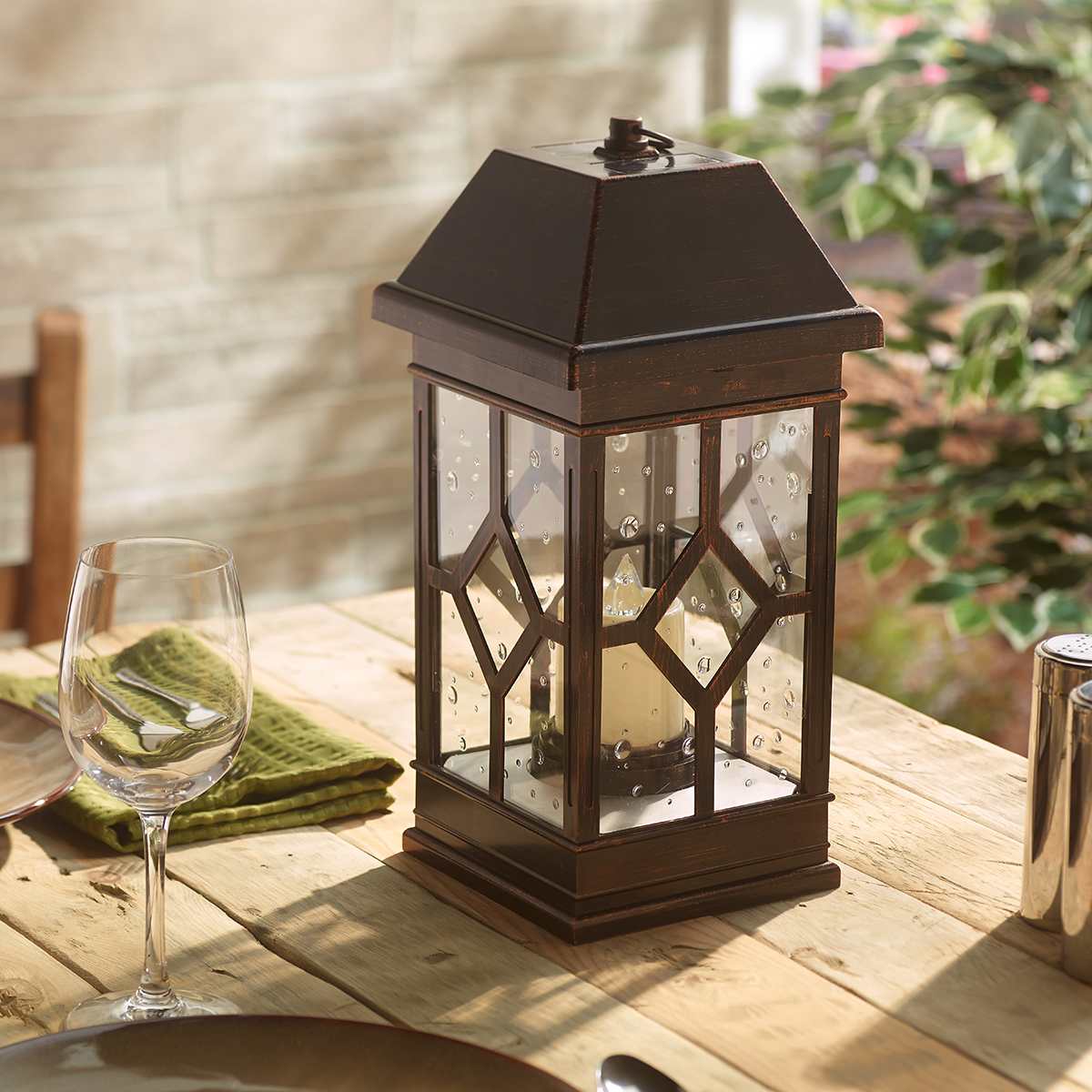
- Heavy-Base Lanterns (Zero Installation) Lanterns are incredibly flexible because they require absolutely no mounting. You can just set them on a bistro table or tuck them into a corner. However, always look for models with a weighted base so a sudden gust of wind doesn’t send them flying off your third-floor balcony.
- Clamp-On Spotlights (For Urban Gardens) If you are growing a container garden or have a privacy trellis, a couple of small spotlights can make your plants look incredible at night. Skip the standard lawn stakes and look for versions designed to clamp directly onto railings.
- Adhesive Deck Lights These low-profile puck lights are usually screwed into wooden stairs, but they work beautifully on balconies when attached to baseboards with heavy-duty outdoor double-sided tape.
3. How to Mount Balcony Lights Without Drilling
Property managers do regular exterior inspections, so you cannot leave behind holes, cracked stucco, or scraped paint. Fortunately, you can easily secure a lighting setup to withstand strong storms without leaving a single trace behind.
| Mounting Hardware | Best Used For | The Renter’s Pro Tip |
|---|---|---|
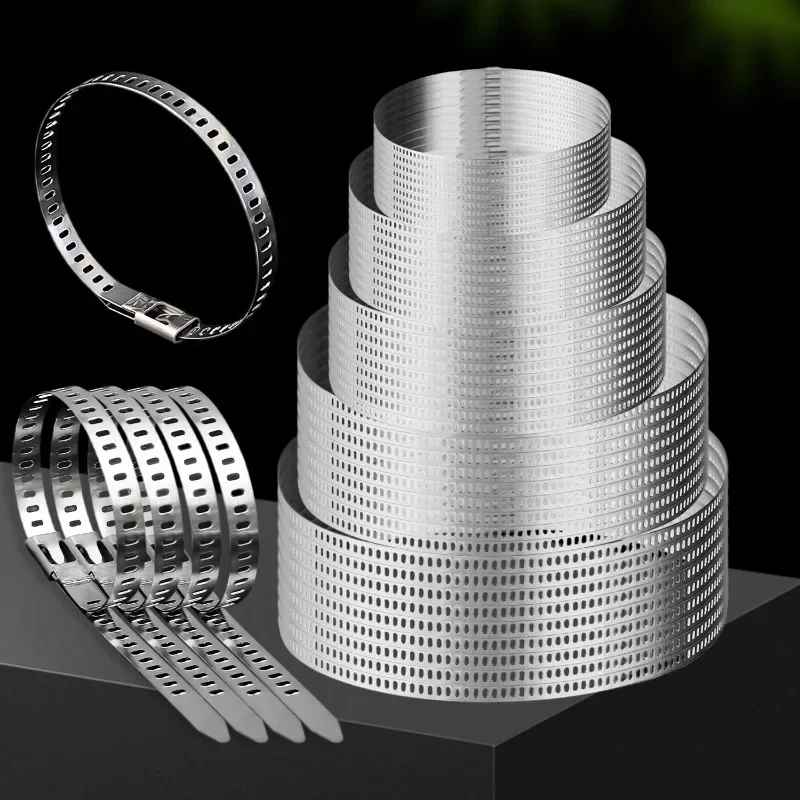
| Heavy-Duty Zip Ties | Securing solar panels or string lights to metal railings. | Always buy black, UV-resistant zip ties. Standard white ties will become brittle and snap after a few weeks in the sun. |
| S-Hooks & Carabiners | Hanging lights from exposed overhead pipes or existing hooks. | Use a pair of pliers to pinch the S-hook tightly closed so heavy winds cannot lift the wire out of the hook. |
| Command™ Outdoor Strips | Running wire along vinyl siding or smooth glass doors. | Clean the surface thoroughly with rubbing alcohol first. Only use the “Outdoor” rated strips, as indoor adhesive melts in the summer heat. |
| Rail Clamps | Attaching larger solar panels to the top of railings. | Place a small piece of rubber shelf-liner between the clamp and the railing to prevent the metal from scratching the paint. |
4. The Tech Specs That Actually Matter
It is easy to get burned by cheap online listings claiming to be “100% weatherproof.” Before you hit checkout, look past the marketing fluff and check for these specific details to ensure your investment lasts longer than one season.
The IP65 Rating
Look for an official Ingress Protection (IP) rating. For an exposed balcony, your absolute minimum target is IP65. This certification means the casing is completely dust-tight and can handle low-pressure water jets from any direction. It is the baseline you want to ensure your lights survive heavy sideways rain. If a light is only rated IP44, it will likely flood during a severe thunderstorm.
Battery Capacity (mAh)
Look at the milliamp-hour (mAh) rating of the battery. A tiny 300mAh battery will barely power string lights for two hours. For string lights or bright spotlights, aim for a battery capacity of at least 1200mAh to 2000mAh to ensure they stay lit well past midnight.
Safety Certifications (UL/ETL)
Solar panels sit baking in the direct summer sun for hours. You want to be completely sure the internal lithium batteries are safe. A UL Listed or ETL Listed mark proves the product has been independently tested for thermal stability and will not become a fire hazard on your patio.
5. Winter Maintenance for Solar Balcony Lights
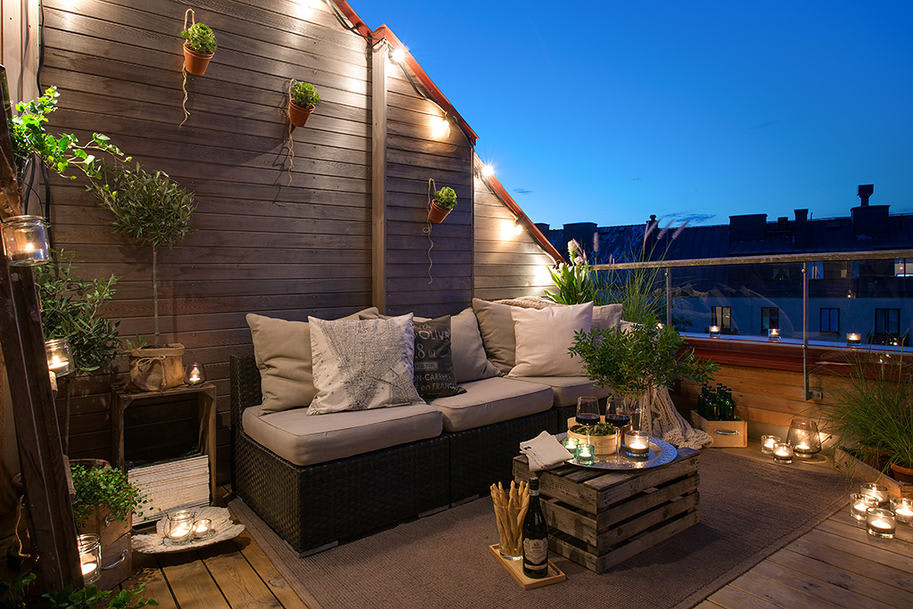
Many renters are surprised when their solar lights suddenly stop working in December. This is normal battery chemistry at work. Extreme cold temporarily drops the capacity of rechargeable batteries, and shorter, gloomier winter days mean the panels receive significantly less charge time.
If you want reliable year-round light, look for a “hybrid” model. These units allow you to unplug the battery pack from the solar panel and bring it inside to charge via a standard USB cable. Alternatively, you can take the batteries out in late November and store the lights inside until spring to preserve their lifespan.
Frequently Asked Questions
Will my balcony lights annoy my neighbors?
In a dense apartment complex, they certainly can. Keep the peace by aiming solar spotlights inward toward your own apartment walls rather than outward toward the street or the building next door. Avoid harsh motion-sensor security lights unless you are specifically trying to illuminate a dark entryway.
Can I replace the batteries in solar lights?
On high-quality models, yes. The actual solar panels usually outlive the internal batteries. Look for units that allow you to unscrew the casing and swap out the rechargeable AA or AAA NiMH batteries. It is much cheaper (and better for the environment) than throwing the whole string of lights in the trash when the battery eventually degrades.
Do solar lights charge through glass windows?
Technically yes, but very poorly. Modern apartment windows are treated with low-E coatings and UV blockers that drastically reduce the amount of solar energy reaching the panel. You will always get better results mounting the panel outside on the balcony railing.