For millions of households right now, achieving energy efficiency feels less like environmental patriotism and more like an act of pure financial survival. When winter heating swallows up to 50% of your monthly utility bill, it is easy to feel trapped between shivering in your own living room and going completely broke.
The good news? You do not need to install a brand-new $5,000 high-efficiency furnace or rip out your walls for fancy smart windows to make a real, measurable difference. Small, somewhat boring, daily habits—like nudging your thermostat just a few degrees, utilizing your heavy curtains like thermal shields, and sealing drafts with cheap materials—can quietly shave 10% to 20% off your heating costs over a single winter season.
1. Master the 8-Hour Setback Strategy
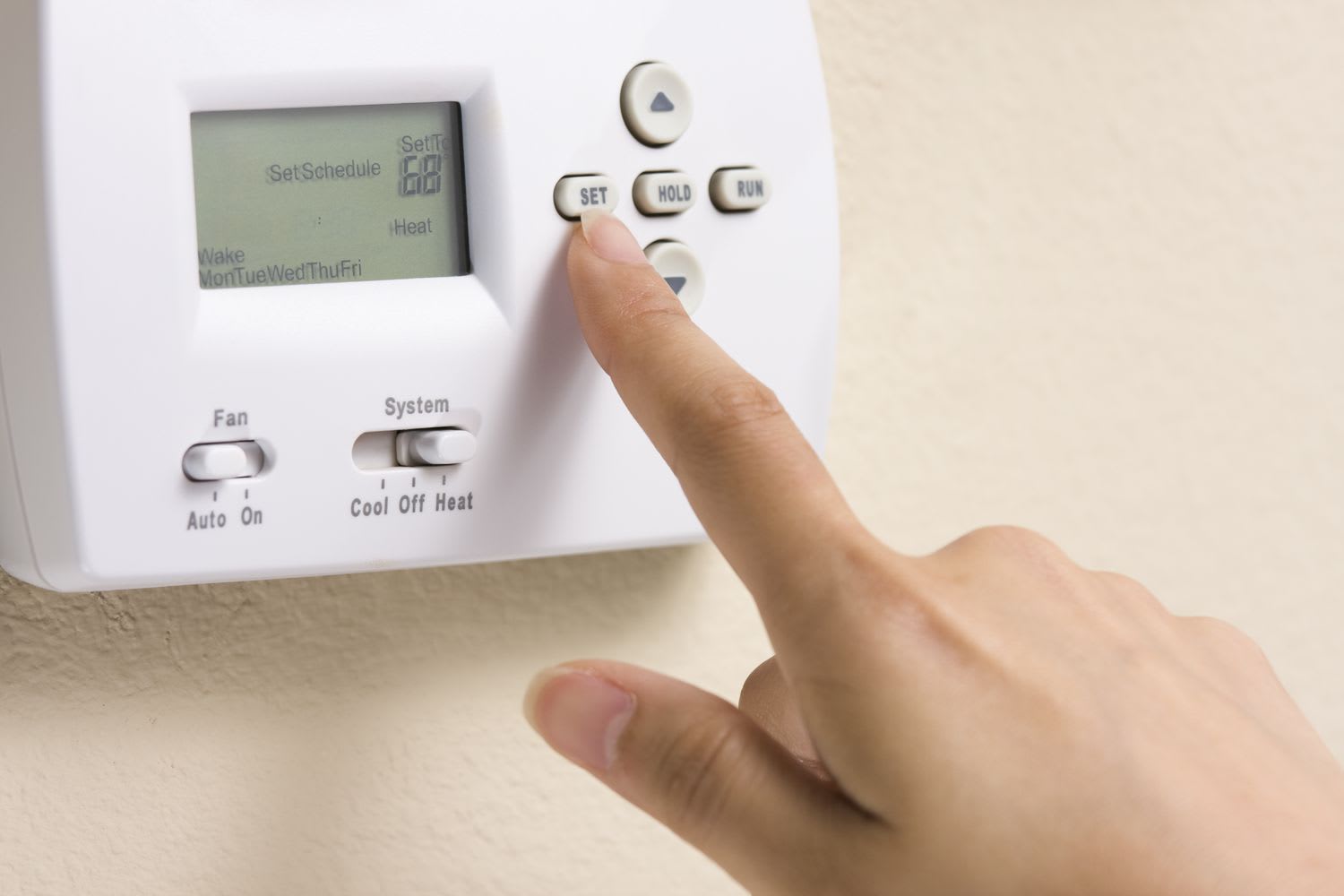
The single most effective way to lower your heating bill without spending a dime is mastering the psychology of your thermostat. The U.S. Department of Energy states that setting your thermostat back by 7 to 10 degrees Fahrenheit for just 8 hours a day can save you up to 10% a year on heating.
>The Daytime Setback: If everyone leaves the house for work or school, drop the heat to 60°F (15°C). You are paying a premium to heat an empty house.
>The Nighttime Setback: When you are asleep under heavy winter blankets, your body does not need the ambient room air to be 72°F. Drop the thermostat to 62°F (16°C) right before bed.
>The “Gradual” Trick: If a 68°F baseline feels too cold while you are awake, lower your thermostat by just one degree every three days. Your body will naturally acclimate to the cooler temperature without you even noticing the change.
2. Harvest Free Solar Heat
Your glass windows are the weakest point in your home’s thermal envelope, allowing heat to bleed out constantly. However, they are also your best source of absolutely free heat. Managing your window coverings is a daily habit that pays massive dividends.
The Daily Sun Routine:
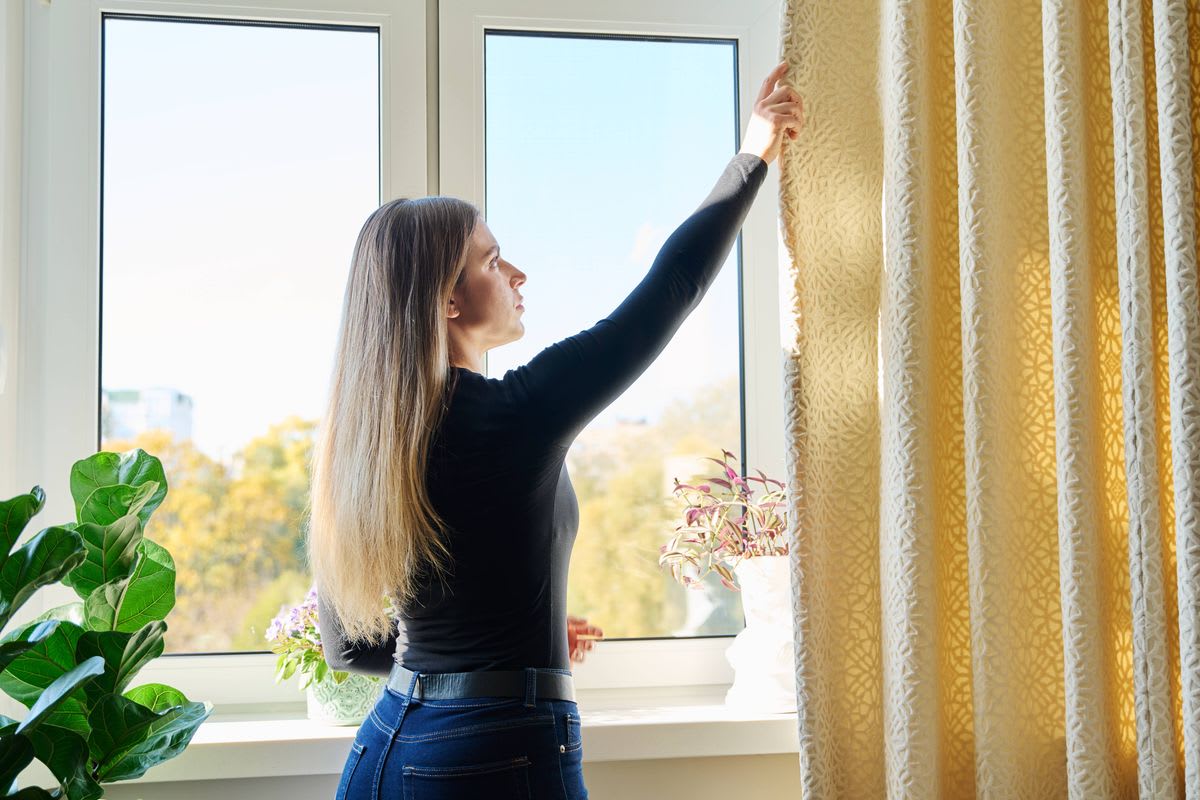
Morning: Open the curtains or blinds on all South-facing and West-facing windows as soon as the sun hits them. The radiant heat from the sun acts as a natural space heater, actively warming the air and the furniture in the room for zero cost.
Dusk: The moment the sun goes down, close every single curtain and blind in the house. Heavy, thermally lined curtains act as a thick blanket for your windows, physically stopping the heat inside your room from escaping through the cold glass into the freezing winter night.
3. The DIY Draft Hunt
According to energy conservation experts, simple draft-proofing around your windows and exterior doors can cut air leakage by up to a third. That means your furnace does not have to work nearly as hard to replace the warm air being actively sucked outside.
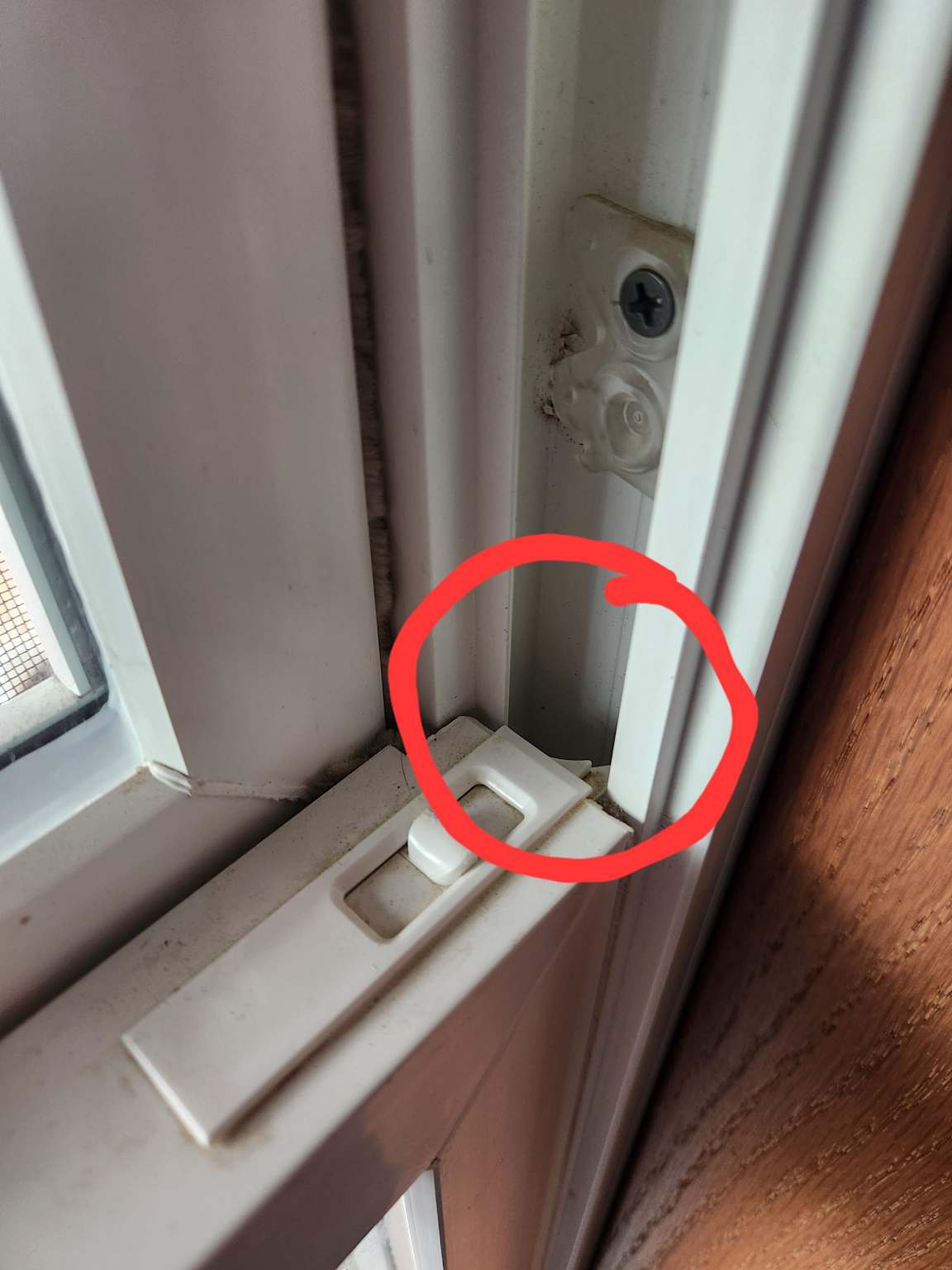
The Incense Test: On a cold, windy day, light a stick of incense (or a candle) and walk slowly around the perimeter of your doors, windows, and exterior electrical outlets. If the smoke begins to dance horizontally, you have found a draft.
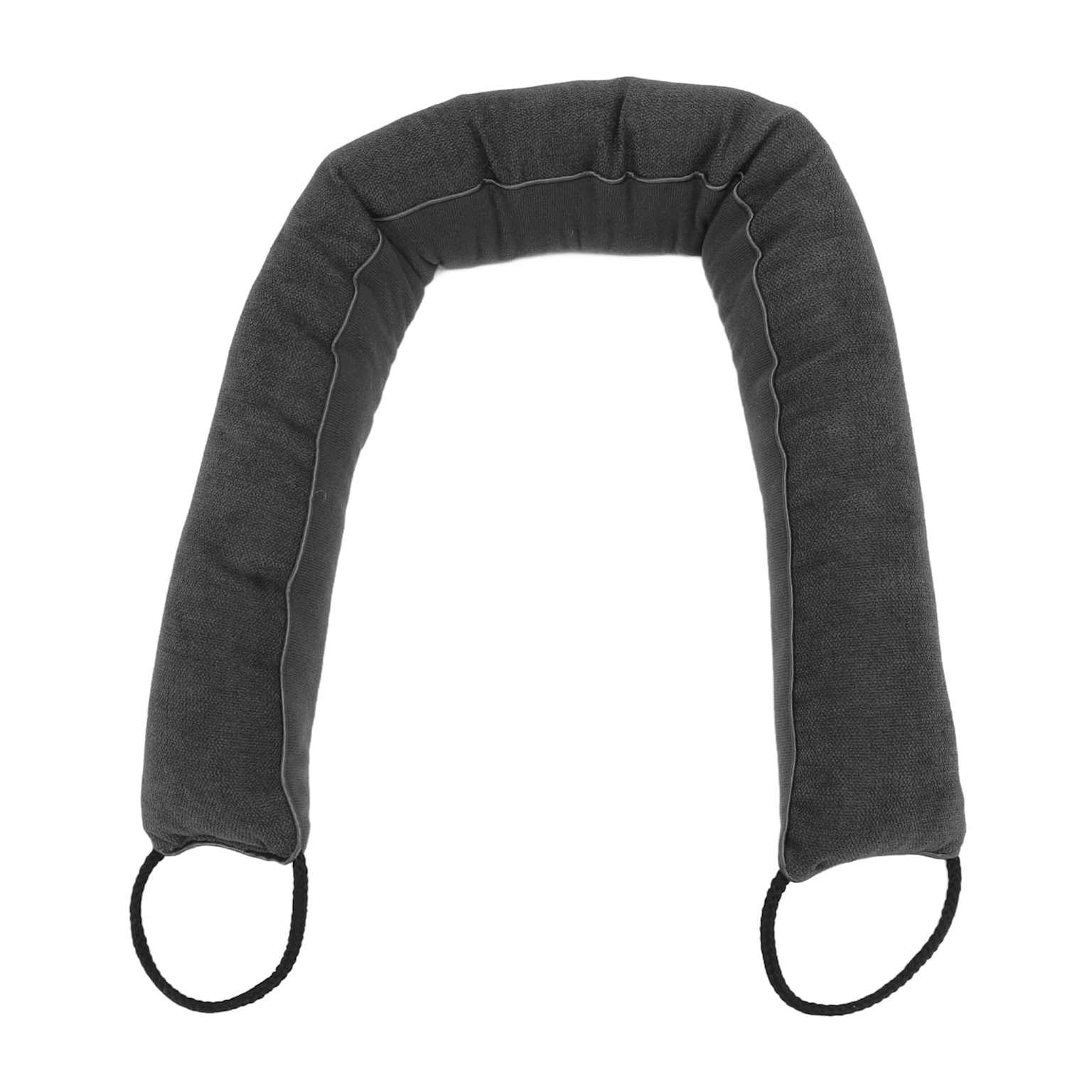
You don’t need to hire a contractor to fix these issues. For less than $30 at a local hardware store, you can buy self-adhesive foam weatherstripping for door frames, and a tube of clear caulk to run along the inside edges of drafty window panes. For the bottom of exterior doors, a rolled-up towel or a cheap “draft dodger” snake works perfectly to block the cold air.
4. Zone Heating and the Humidity Hack
Why pay to heat a guest bedroom, a storage room, or a dining room you only use once a week? Close the doors to unused rooms and shut their heating vents. By actively restricting the square footage your furnace has to heat, you force more warm air into the rooms you actually occupy—like the family room and your primary bedroom.
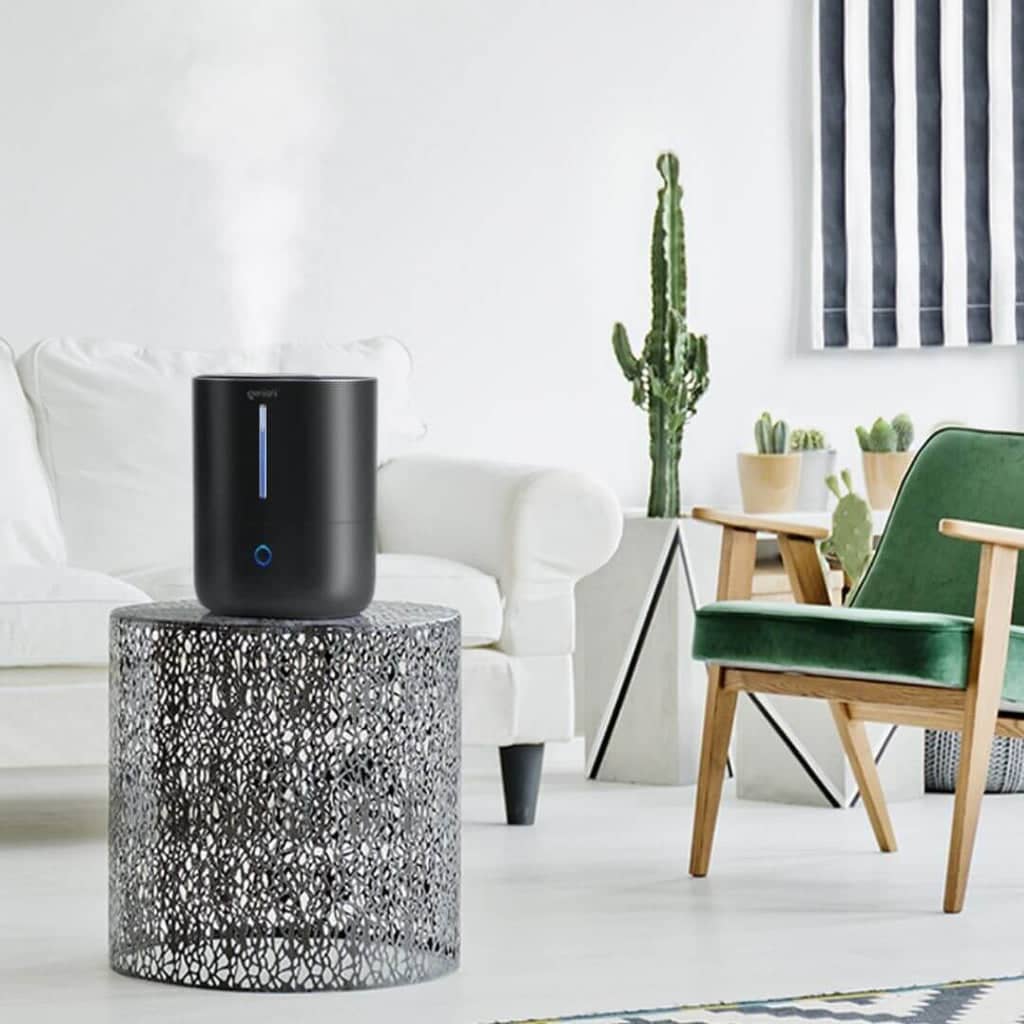
The Science of Humidity
Cold winter air is incredibly dry. Dry air actually absorbs moisture from your skin, which creates a micro-evaporative cooling effect that makes you physically feel colder than the room thermometer says you should. By naturally raising the humidity in your home to between 30% and 50%, the air will trap heat better, and you will feel significantly warmer without touching the thermostat.
You can do this for free: leave the bathroom door open while taking a hot shower, let your pasta water boil uncovered on the stove, or set a shallow, safe pan of water on top of your radiators to evaporate naturally.
Community Feedback: What Actually Works?
Here is real advice from homeowners who successfully lowered their utility bills without touching their HVAC systems:
“For us the big one was just getting disciplined with the thermostat. 1 degree here, 1 degree there, and actually wearing a hoodie and thick socks inside during winter. The house is still comfy, the only thing that’s really changed is the massive number on the bill.”
— Homeowner Forum User
“Closing the curtains as soon as the sun sets made a massive difference in my old apartment. The glass used to radiate cold into the living room, but thick thermal curtains completely stopped the draft dead in its tracks.”
— Homeowner Forum User
Frequently Asked Questions
Is it cheaper to leave the heating on low all day, or turn it on and off?
For the vast majority of modern homes, it is cheaper to turn the heat down when you don’t need it. It is a common myth that your furnace has to “work harder” to bring the house back up to temperature. Leaving the heat on constantly means you are paying to replace heat that is continuously leaking out of your house while you are at work.
What is the cheapest way to heat a single room?
If you work from home in a single office, the cheapest method is to drop your whole-house thermostat down to 62°F (16°C), close the office door, and use a modern, thermostatically controlled electric space heater just for that room. Warning: Do not run the whole-house heat AND the space heater simultaneously, or your bill will skyrocket.
Does wearing more clothes inside actually help the bill?
Absolutely. Your heating system is working to keep you comfortable, not just the air. If you wear a thermal base layer, a thick sweater, and wool socks, you will likely feel perfectly comfortable at 66°F instead of 70°F. Every single degree you lower the thermostat saves roughly 1% to 3% on your total heating bill.