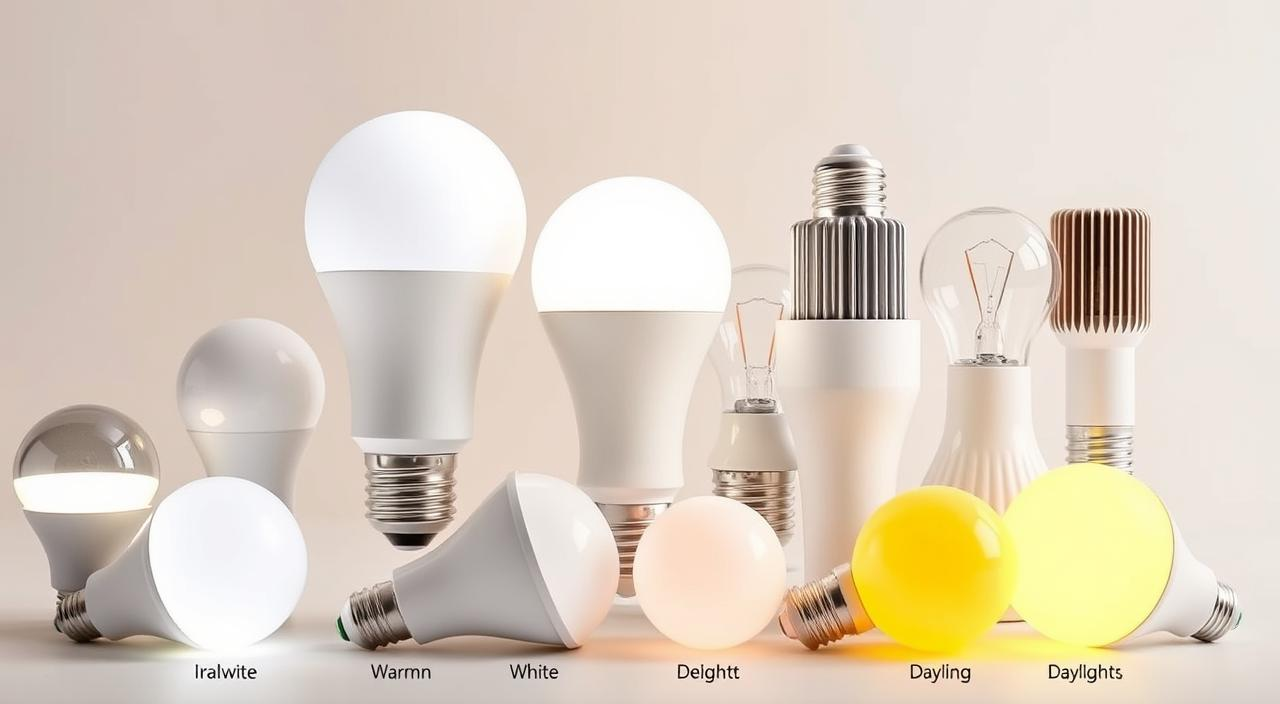
Walking down the lighting aisle of a hardware store today can feel like trying to read a foreign language. The days of simply grabbing a basic “60-watt bulb” and hoping for the best are officially over. Today’s LED light bulb boxes are covered in confusing scientific terms like Lumens, Kelvin, and CRI.
While this new technical terminology can be initially frustrating, it is actually a massive visual upgrade for homeowners. LEDs give you total control over how a room looks, feels, and functions. Choosing the exactly right lighting is not just about seeing in the dark; it is about physically telling your brain when it is time to focus, and when it is time to wind down and sleep.
In this comprehensive guide, we break down exactly how to decode an LED lightbulb box, the precise brightness you need for every room, and the best color temperatures to make your home feel warm and inviting rather than like a sterile hospital waiting room.
1. Decoding the Box: Lumens vs. Watts
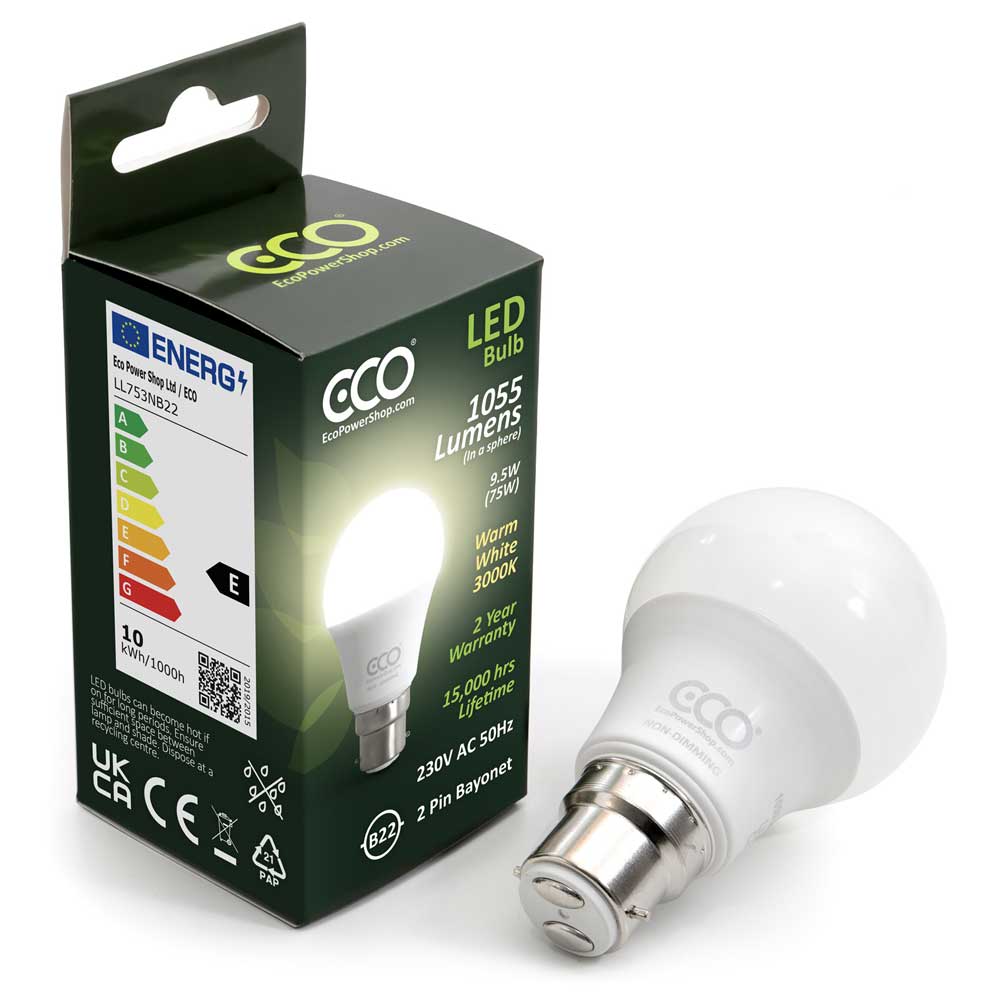
For decades, we bought traditional incandescent lightbulbs based entirely on watts. But this was fundamentally flawed: watts measure energy drawn, not physical brightness. Because modern LED bulbs are so incredibly efficient, an LED might only use 8 to 10 watts of electricity to produce the exact same amount of light as an old, burning-hot 60-watt incandescent bulb.
To measure actual, visible brightness, you must look at Lumens. The higher the lumen count printed on the box, the brighter the bulb will be when you turn it on.
The Old Wattage Conversion Cheat Sheet
If you are trying to match the brightness of older bulbs, use this guide from lighting manufacturers:
-
-
- >Replacing a
40-watt
-
-
-
- bulb? Look for
~450 Lumens
-
>Replacing a 60-watt bulb? Look for ~800 Lumens
>Replacing a 75-watt bulb? Look for ~1,100 Lumens
>Replacing a 100-watt bulb? Look for ~1,600 Lumens
2. The Mood Setter: Understanding Kelvin (K)
If Lumens dictate how bright a light is, Kelvins (K) dictate how warm or cool the actual light looks. This is professionally known as Color Temperature.
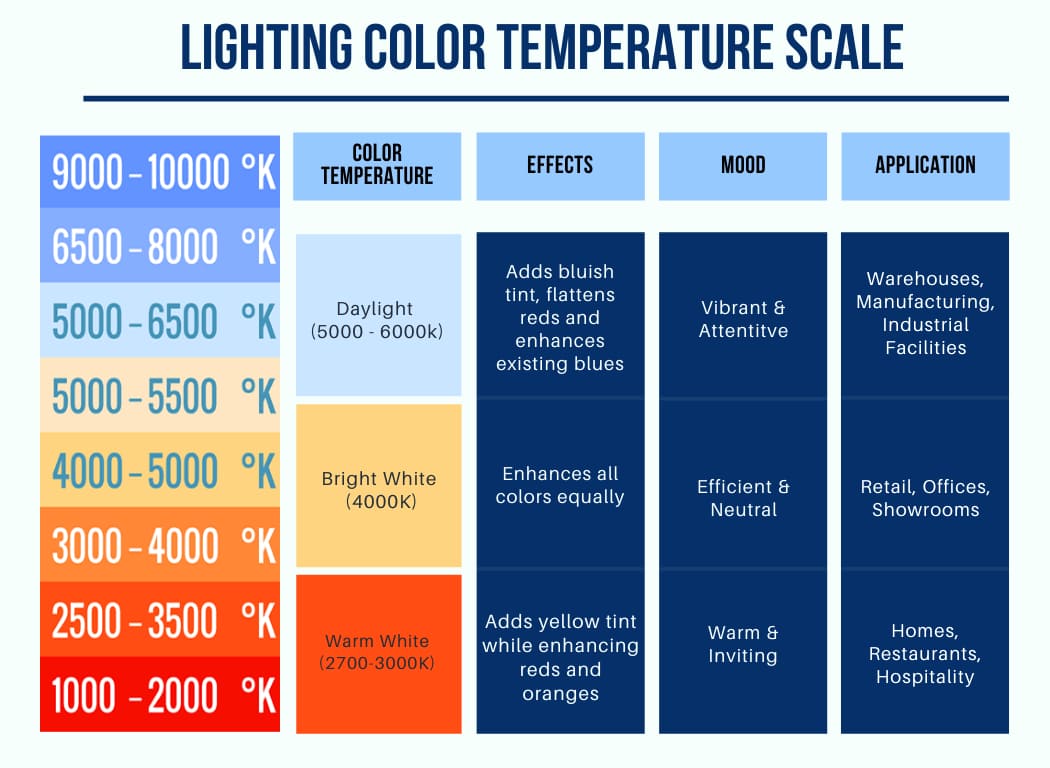
According to color temperature experts, a low Kelvin number produces a warm, cozy, relaxing yellow glow, while a high Kelvin number produces a crisp, highly energetic blue-white light meant for focusing.
| Kelvin Range | Light Appearance | Best Used For |
|---|---|---|
| 2200K – 2700K | Warm White / Amber | Bedrooms, living rooms, and evening relaxation. |
| 3000K – 4000K | Soft / Neutral White | Kitchens, bathrooms, and dining areas. |
| 5000K+ | Daylight / Cool White | Garages, home offices, and unfinished basements. |
3. The Room-by-Room Lighting Playbook
You should never use the exact same lightbulb in your bedroom that you use over your kitchen sink. Here is the optimal, architect-approved setup for the primary spaces in your home:
The Living Room (2700K)
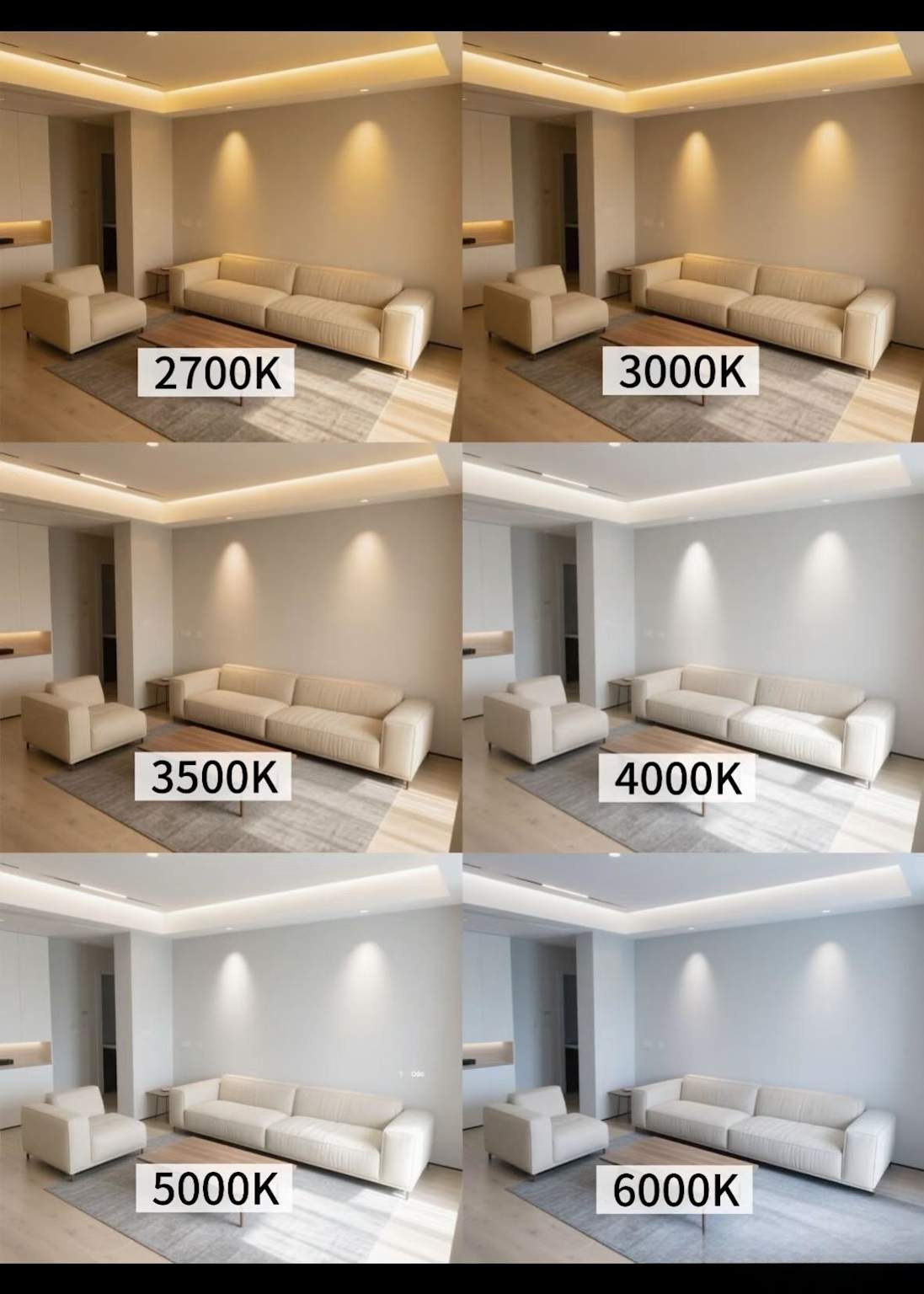
Your living room is primarily for socializing and watching television in the evenings. You want to aggressively avoid harsh overhead glares. Rely heavily on floor and table lamps using 800 Lumen bulbs at a warm 2700K. This precise color temperature creates the classic, cozy incandescent glow that makes a room feel incredibly inviting and relaxing.
The Kitchen (4000K)
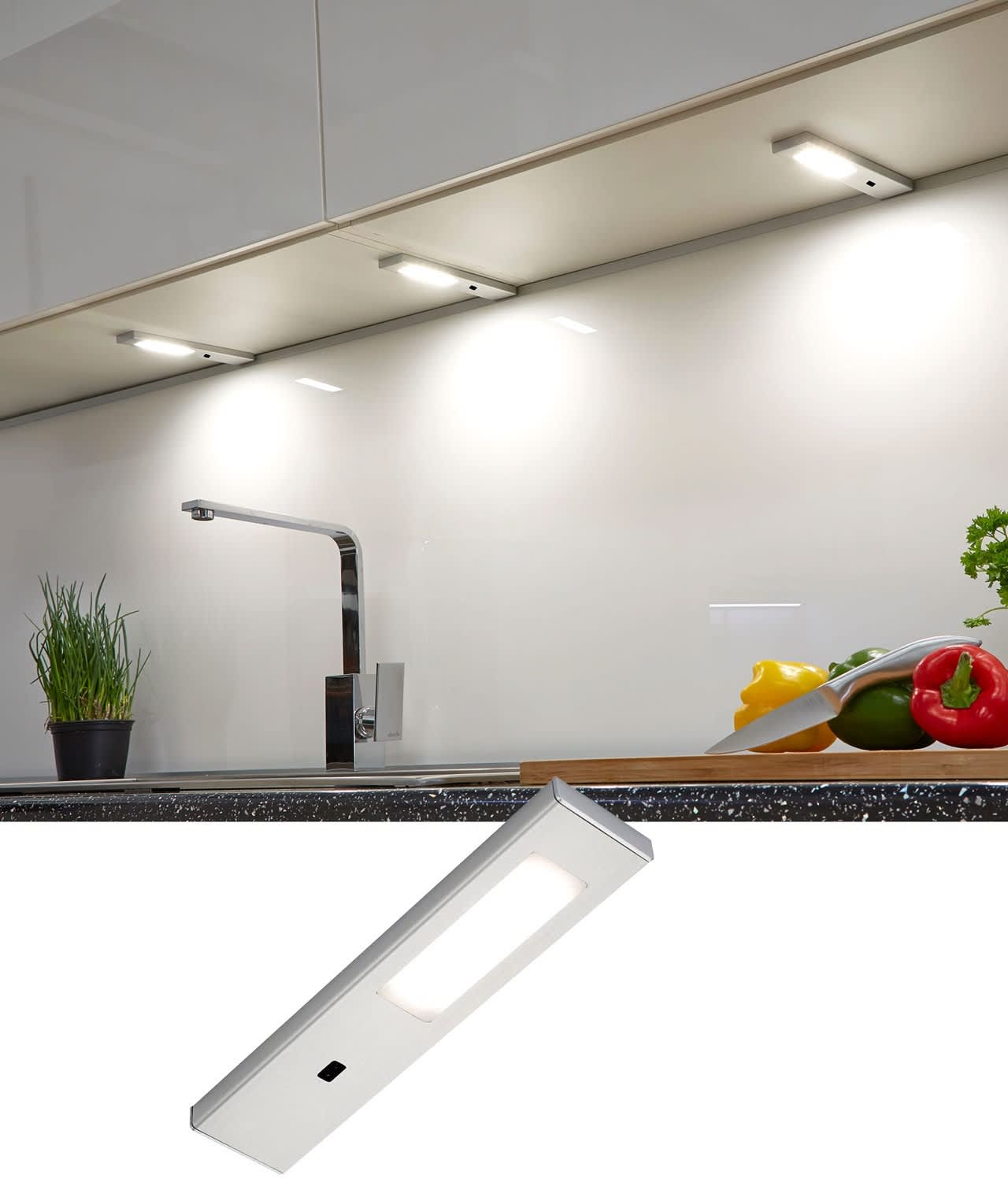
Kitchens are active workspaces. You need to see exactly what you are chopping and reading. Experts strongly recommend layered lighting: overhead ambient lights providing 3,000 to 4,000 total Lumens, combined with under-cabinet task lighting. Choose a cooler, neutral 3500K to 4000K temperature to keep the room feeling crisp, clean, and energetic.
4. Advanced Features: CRI and Smart Tech
If you have ever bought a cheap LED bulb and felt like the room looked “sickly” or your fresh food looked grey and unappetizing, you bought a bulb with a low CRI (Color Rendering Index).

CRI is meticulously measured on a scale from 0 to 100 and dictates how accurately a light source reveals the true, vibrant colors of physical objects compared to natural sunlight. Always look for a bulb with a CRI of 90 or higher, particularly in the kitchen (where you judge food safety) and the bathroom (where you apply makeup).
If you cannot decide between Warm White or Daylight, consider investing in Smart LED Bulbs (like Philips Hue). These bulbs connect to your home’s Wi-Fi, allowing you to use a smartphone app to drastically change the color temperature and brightness throughout the day. You can program them to be a crisp 4000K while you work from home at noon, and a dim, warm 2700K while you watch a movie at 9 PM.
Frequently Asked Questions
Can I use any LED bulb with my existing dimmer switch?
No. You must explicitly buy an LED bulb that clearly says “Dimmable” on the box. Furthermore, older dimmer switches designed specifically for high-wattage incandescent bulbs often cause new LED bulbs to aggressively buzz, hum, or visibly flicker. If this happens, you will need to replace the physical wall switch with an “LED-compatible” dimmer switch.
Why are some LED bulbs so much cheaper than others?
Cheaper bulbs usually aggressively cut corners on the internal heat sink and the CRI quality. A bargain-bin LED might boast a 10-year lifespan on the packaging, but if it cannot dissipate internal heat properly, the sensitive electrical components will fry within a year. Sticking to highly reputable brands ensures much better longevity and color quality.
What is the best color temperature for sleep?
To promote healthy sleep hygiene, your bedroom lighting needs to mimic a natural sunset. High-Kelvin blue light (above 4000K) actively halts your brain’s melatonin production. Keep bedroom lighting strictly between 2200K and 2700K, using softer 400 to 800 Lumen bulbs in your bedside reading lamps.