
Thermal curtains often get blamed for not working when the real issue is how they were hung. The fabric may be too narrow, too short, or sitting too far away from the wall. When warm air can move around the sides, top, or bottom, the window still feels cold and the curtains feel like a waste of money.
The fix is mostly about sizing and installation. According to the U.S. Department of Energy, draperies can reduce heat loss from a warm room when closed during cold weather, and some backed draperies can also reduce heat gain during summer. Getting better results does not always require expensive curtains — it requires the right measurements, fabric, and rod placement.
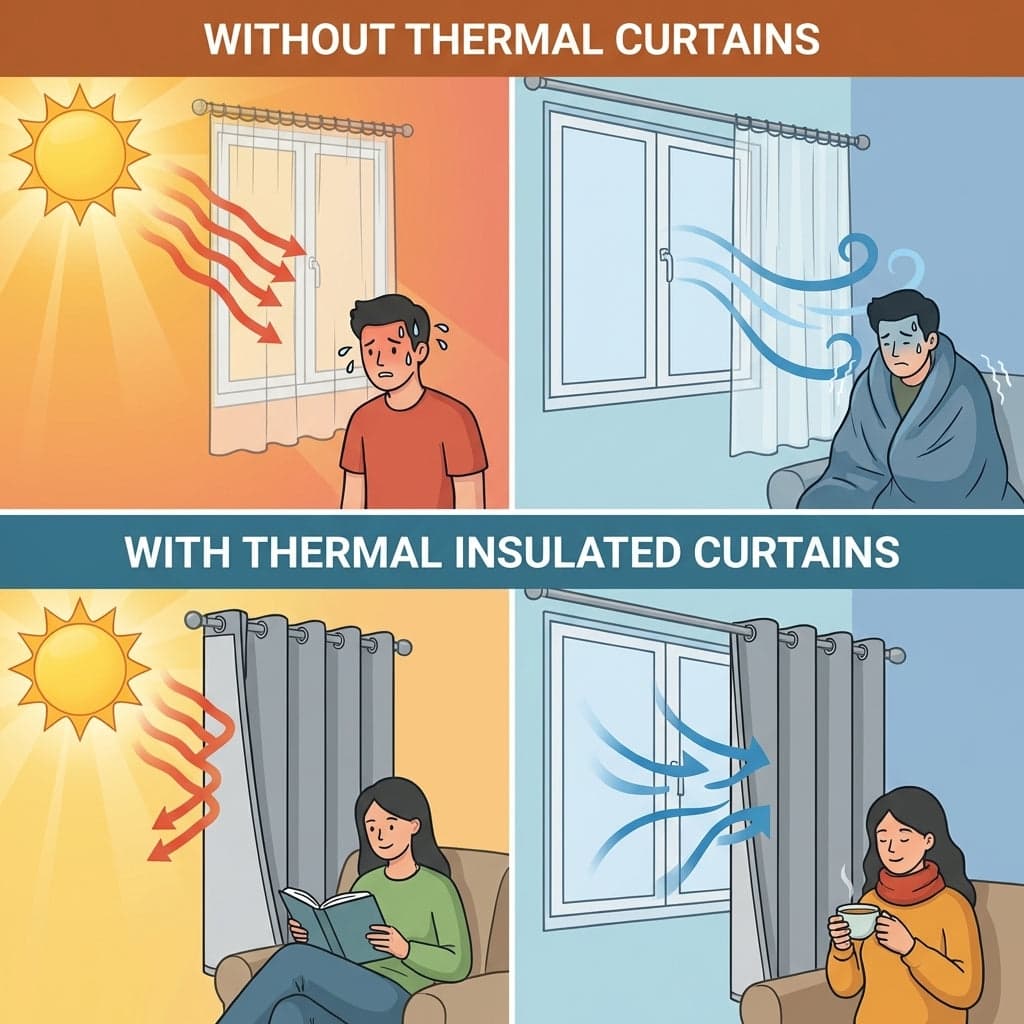
Choose curtains with a built-in thermal liner, dense blackout fabric, or a separate thermal backing. Mount the rod wider than the window frame, use floor-length panels when possible, and make sure the panels overlap when closed. If you can feel moving air around the frame, seal that draft first — curtains help with cold glass, but they do not fix air leaks.
What to Do First
Work through these steps before buying anything:
- Check for drafts — hold your hand near the window frame edges on a cold or windy day. Moving air means the gap needs caulk, rope caulk, or weatherstripping before curtains will help much.
- Measure carefully — measure the window width, the drop from rod to floor, and how far the rod can extend beyond the frame.
- Check the fabric backing — look for a built-in thermal liner, dense blackout construction, or a separate liner panel. Do not rely on the word “thermal” alone.
- Plan rod placement — the rod should sit close to the wall or ceiling and extend beyond the frame so the fabric can cover the edges.
- Consider edge sealing — if side gaps remain after hanging, removable Velcro strips or magnetic tape on metal frames can help close those gaps without permanent changes.
Why Windows Feel Cold — and What Curtains Actually Fix
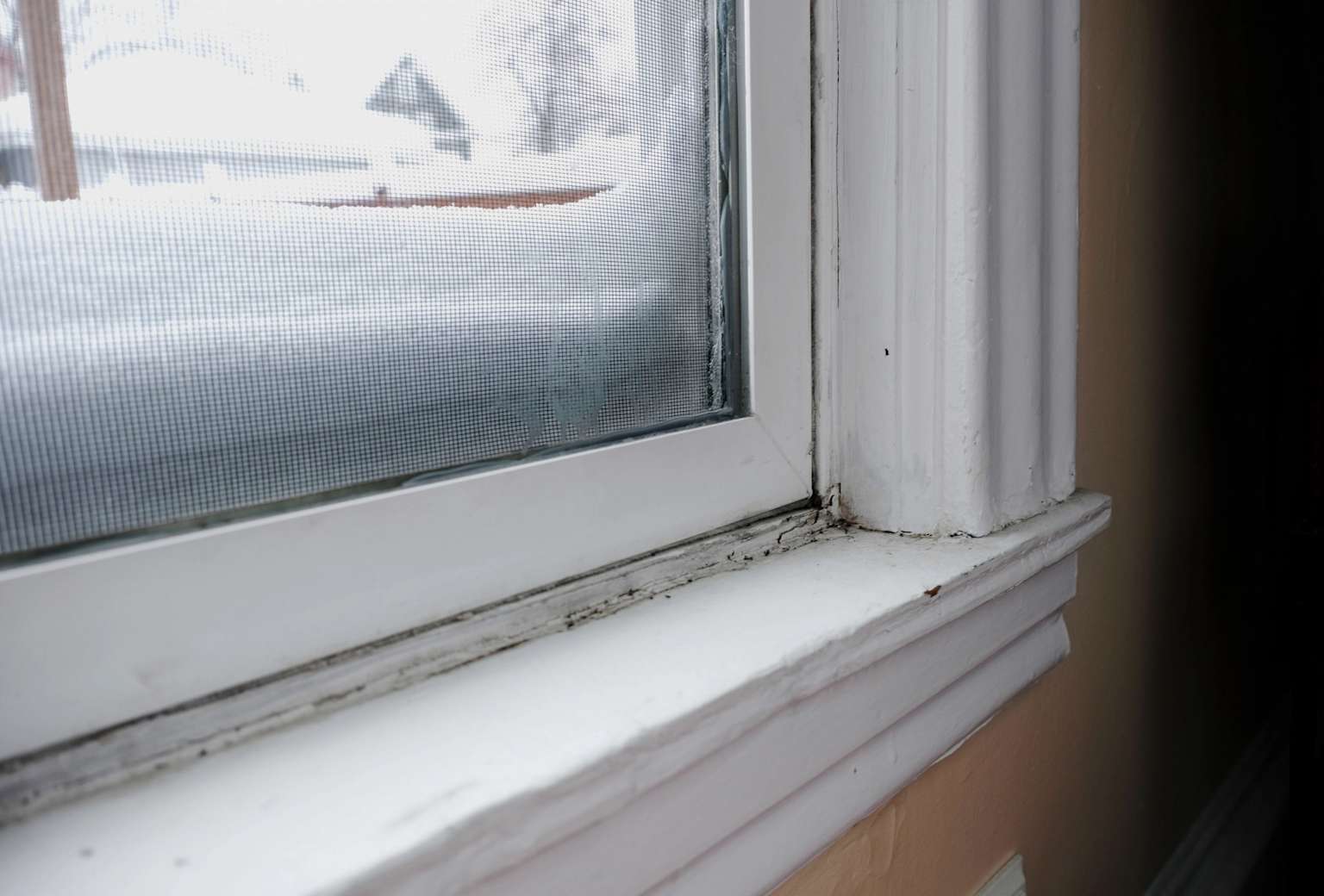
There are two separate reasons a window makes a room feel cold, and curtains mainly help with one of them.
Air leaks — curtains will not fix this by themselves
If cold air is getting in through gaps around the sash, frame, or trim, you may feel moving air near the edges. This usually needs caulk for fixed gaps and weatherstripping for movable parts. Handle obvious drafts before judging whether curtains work.
Radiant cold — this is where curtains help
Even a sealed window can feel cold because glass loses heat faster than an insulated wall. Thermal curtains help by trapping a layer of still air between the glass and the room. The room side of the curtain stays warmer than the glass side, which can make the space feel more comfortable.
The right order: Seal obvious air leaks first, then install thermal curtains. Together, these steps usually work better than relying on curtains alone.
- If you rent: Weatherstripping and removable rope caulk are usually renter-friendly options. Check your lease before using permanent silicone caulk on window frames.
- If you have an older home: Older single-pane windows often have both problems — leaks and radiant cold — so sealing gaps and adding curtains can both matter.
- If your bill is high in winter: Prioritize windows that feel coldest at night or receive little winter sun. These are usually the windows where curtains can help comfort most.
What to Buy — and What “Thermal” Actually Means
The word “thermal” appears on many curtain packages, but the label alone does not prove much. What matters is the fabric density, backing, and whether the curtain can trap still air against the window.
What usually works better
- Thermal-lined drapes — a heavy foam, fleece, or insulated liner sewn to the back of the panel. The liner does most of the insulating work.
- True blackout curtains — dense, tightly woven fabric that blocks light completely. The same density can also help slow heat transfer, especially in bedrooms.
- Existing curtains plus a separate thermal liner — liner panels can clip, hook, or sew onto curtains you already own. This is useful if you want more insulation without replacing your current curtains.
What usually does less
- Room-darkening panels — these reduce light, but they are often thinner than true blackout or thermal-lined curtains.
- Thin decorative panels — color and pattern do not create insulation. A dark sheer panel is still a sheer panel.
Useful reference: The AERC Certified Product Search rates window coverings by performance. It can be more reliable than relying only on marketing claims when comparing curtains, shades, and blinds.
- If you rent: A separate thermal liner panel is flexible because it can move with you.
- If you live in a small apartment: Start with the one or two windows that feel coldest instead of treating every window at once.
- If you have single-pane windows: The temperature difference between the room and the glass may be more noticeable, so a liner can make a bigger comfort difference.
Sizing: Where Most Installations Go Wrong
Curtains that are too narrow or too short allow warm air to move around the edges and circulate behind the fabric. The sizing rules below help create a better air pocket between the curtain and the window.
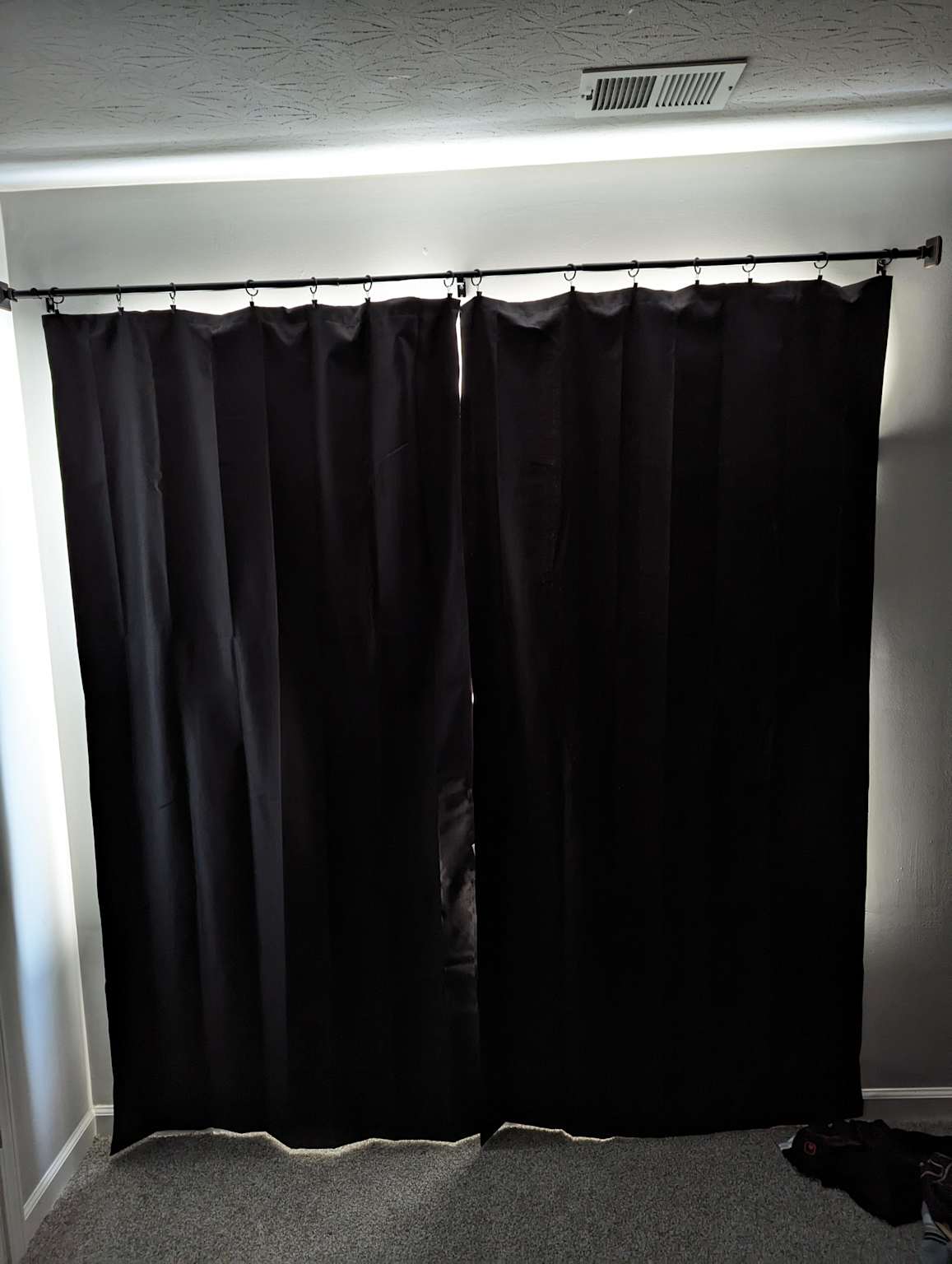
Example: A 60-inch-wide window usually needs more than 60 inches of curtain fabric. For better coverage, aim for enough total width across both panels so the fabric overlaps at the center and covers the sides of the frame.
- If you rent: Measure before buying. If you cannot drill new holes, a tension rod inside the frame may reduce coverage, so choose fabric width carefully.
- If you have tall windows: A bottom gap can still allow cold air movement. Longer panels may be worth considering if the window makes the room uncomfortable.
Hardware That Helps Close Side Gaps
A standard rod that projects several inches from the wall can leave a side gap where air moves behind the fabric. The rod choice affects how close the curtain can sit to the wall.
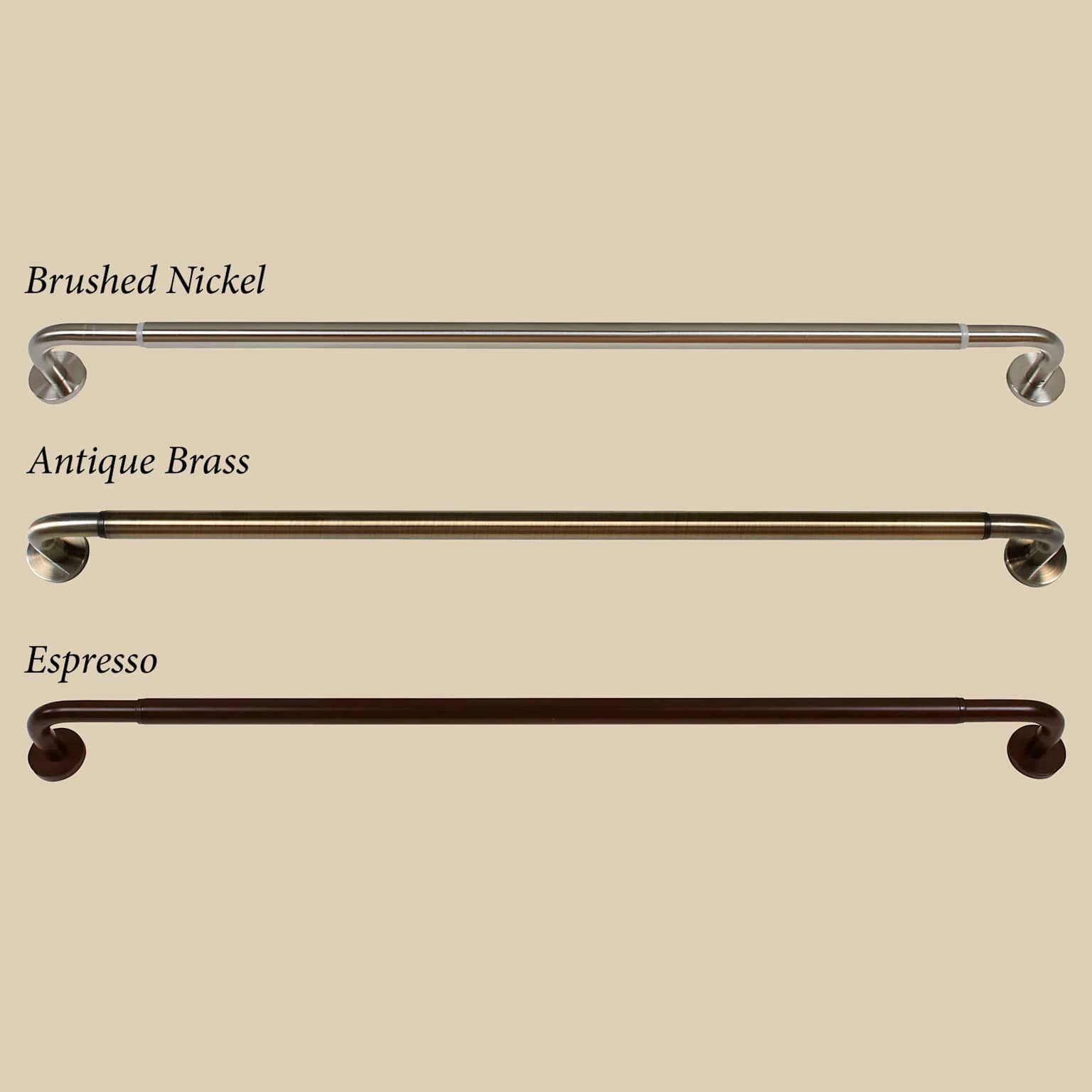
Wraparound rods
Wraparound rods, sometimes called return rods or French rods, curve back toward the wall at each end. This lets the curtain wrap around and sit closer to the wall, reducing side gaps.
Ceiling-mounted tracks
A ceiling track can reduce top gaps and let curtains run wider across the wall. It is more effort to install than a standard rod, but it can be useful in rooms where the window sits close to the ceiling or where side gaps are hard to control.
Edge seals
- Velcro strips — one side can attach to the wall and the other to the curtain edge. This lets you press the curtain edge closer to the wall at night.
- Magnetic tape — if you have metal window frames, magnetic tape can help the curtain edge sit closer to the frame without permanent hardware.
- If you rent: Velcro strips, magnetic tape, and removable rods may be easier to reverse when you move.
- If you live in a small apartment: Ceiling tracks can work well where windows are close to the ceiling and wall space above the frame is limited.
How to Check Whether It Is Actually Working
The curtain test
Do this on a cold night:
- Close the curtains fully and overlap the center panels.
- Press the edges closer to the wall if you are using Velcro, magnetic tape, or wraparound rods.
- Wait 20–30 minutes.
- Check near the floor for cold air pooling.
- Open the curtains quickly. If the air behind them feels noticeably colder, the curtains are helping separate the cold window area from the room.
If you do not feel much difference, the most likely cause is side gaps, a top gap, curtains that are not wide enough, or air leaks around the frame that still need sealing.
The utility check
Compare heating usage — such as kWh, therms, or fuel use — on similar-temperature days before and after the installation. Weather changes can affect bills, so daily usage during similar conditions is more useful than comparing one full bill to another without context.
What to Avoid
- Buying before measuring. Many thermal curtain problems come down to sizing. Measure width, drop, and rod extension before looking at products.
- Choosing “room darkening” panels and assuming they insulate. Room-darkening fabric may reduce light, but it is not always dense enough to improve comfort much.
- Hanging curtains inside the window recess. Inside-mount curtains often leave gaps at the edges. Outside mounting usually gives better coverage.
- Using a rod that projects far from the wall. The larger the gap between rod and wall, the easier it is for air to circulate behind the curtain.
- Expecting curtains to stop an air leak. If cold air is entering through frame gaps, caulk or weatherstrip first. Curtains over an unsealed frame may hide the draft without fixing it.
- Leaving low-sun windows open all day in winter. If a window receives little or no direct winter sun, there may be little heat gain from opening the curtain. Keeping it closed can reduce heat loss through the glass.
Installation Checklist
- ☐ Check window frames for air leaks and seal obvious drafts before installing curtains
- ☐ Measure window width and choose enough fabric to overlap when closed
- ☐ Choose floor-length panels when practical
- ☐ Confirm the fabric has a built-in thermal liner, true blackout construction, or a separate thermal liner
- ☐ Mount the rod wider than the frame when space allows
- ☐ Mount the rod as close to the wall or ceiling as the bracket allows
- ☐ Use a wraparound rod if side gaps are a concern
- ☐ Add Velcro or magnetic edge seals if gaps remain at the sides
- ☐ Run the curtain test on a cold night to check whether the setup is helping
- ☐ Keep curtains closed on windows that receive little or no direct winter sun
Final Thoughts
Insulated curtains work best when they are treated as part of a window comfort strategy, not as a magic fix. If air is leaking around the frame, seal that first. If the curtain is too narrow, too short, or hanging far from the wall, improve the installation before blaming the fabric.
For many homes, the best starting point is simple: seal obvious drafts, choose dense or lined panels, hang them wide and long, and test the result on a cold night. That gives you a much better chance of improving comfort without overspending.
Common Questions
Do thermal curtains still help if I already have double-glazed windows?
They can still help with comfort, especially at night or in rooms where the glass feels cold. Double glazing performs better than single-pane glass, but curtains can still reduce the cold feeling near the window when installed well.
Is a blackout curtain the same as a thermal curtain?
Not always. Blackout curtains are designed to block light, while thermal curtains are designed to slow heat transfer. Some curtains do both, especially when they have a dense blackout layer plus a thermal liner.
Should I seal the window before buying curtains?
If you can feel moving air near the frame, yes. Use caulk for fixed gaps and weatherstripping for movable sash parts. Once the physical draft is reduced, thermal curtains can help with the cold glass effect.
Should I open thermal curtains during the day?
It depends on how much sun the window receives. In winter, sunny windows may be worth opening during the day to let warmth in. Windows with little or no direct winter sun may be better kept closed to reduce heat loss.
Can I add a thermal liner to curtains I already own?
Yes. Thermal liner panels can attach with rings, clips, hooks, or sewing. This is often cheaper than replacing the curtains and works well if your current panels are wide and long enough.
Are thermal curtains worth it for a room I rarely use?
If the room is heated or connected to heated areas, curtains can still help reduce heat loss through cold glass. If the room is not heated at all, the comfort benefit matters less, but keeping curtains closed may still slow heat movement from nearby spaces.