Are you feeling the intense financial squeeze of rising utility costs? Recent economic data shows that an alarming 78% of Americans feel significant, ongoing stress about their monthly household expenses. Electricity prices alone have jumped by a staggering 28% from 2019 to 2024. Consequently, aggressively managing your family’s finances is no longer just a luxury—it is a strict top priority.
You are certainly not alone in this frustrating struggle. But the good news is that you can actively take back control of your budget today. By adopting smart, proven home energy habits to lower electric bill costs, you fundamentally change exactly how your household consumes power. These seemingly small, daily behavioral changes can mathematically make a massive difference in your annual savings over time.
This comprehensive guide offers practical, highly sustainable strategies specifically designed to help you radically cut down on utility bills. Start making these strategic changes today to see a very big difference in your next billing statement. Taking total control of your energy use is, without a doubt, the single best way to save money.
1. Understanding Your Home Energy Consumption
You simply cannot effectively manage what you do not actively measure, and that classic business rule is absolutely true for home energy use. By closely examining your daily household habits, you can easily find massive, hidden ways to save money. Knowledge is your most powerful tool for ruthlessly cutting down on monthly bills.
Identifying Your Biggest Energy Consumers
Most modern homes use an immense amount of electricity, but a very select few internal systems use the vast majority of it. Your heavy heating and cooling systems (HVAC) are usually the absolute biggest energy users, frequently making up almost half of your total bill, according to energy conservation experts. Therefore, these expensive climate systems are the critical key areas to aggressively focus on for saving energy.
Your water heaters and large kitchen appliances like refrigerators and electric dryers also use a staggering amount of power. Knowing exactly how often they run can actively help you save. By heavily targeting these specific high-energy devices, you can mathematically make a massive difference in your bills.
| Appliance Category | Typical Usage Share | Financial Impact Level |
|---|---|---|
| Heating & Cooling | 45% | Very High |
| Water Heating | 18% | High |
| Appliances & Electronics | 20% | Moderate |
| Lighting | 17% | Low |
2. Optimizing Heating and Cooling Systems
Strictly managing your residential climate control is a critical energy-saving tip for all homeowners. Heating and cooling systems aggressively use a massive amount of energy. Even very small, incremental temperature changes can effectively save a staggering amount of money.
Setting Ideal Thermostat Temperatures
Strategically adjusting your thermostat can mathematically save up to 10% on your annual climate control costs. The absolute best way to do this is to actively lower the thermostat dial by 7 to 10 degrees exactly when you’re not home or while you are deeply sleeping.
This is incredibly easy to do when you’re physically away at work or fast asleep. Automating these daily temperature changes via a programmable smart thermostat helps your expensive system work significantly less hard. This aggressively saves energy when your house is empty.
Maintaining HVAC Filters and Vents
Your expensive HVAC system physically needs good, clean airflow to work well. Dirty, heavily clogged air filters actively make it substantially harder for the blower motor to push air into your rooms.
Check your primary air filters every 30 to 90 days without fail. Also, deliberately keep floor vents totally clear of heavy furniture and long curtains. This physically lets air flow freely into every single room without creating back pressure.
3. Mastering Lighting Efficiency
Radically improving your home’s lighting is incredibly easy with today’s smart tech and simple habits. By closely checking exactly how and when you use your light, you can massively cut down on electricity use. Making very small, strategic changes in your lighting can easily lead to big savings on your monthly bills.
Transitioning to LED Technology
Aggressively switching to modern LED bulbs is a very big step. According to energy consumption researchers, LEDs use up to 75% to 80% less power than old, wasteful incandescent bulbs but shine just as bright. They also last an incredibly long time, directly saving you money and replacement hassle.
LEDs also mathematically mean far less waste heat is generated in your home. This physically helps your air conditioning work significantly less hard in the brutal heat of summer. So, you aggressively save money on lighting and stay cool simultaneously.
Utilizing Task Lighting Instead of Overhead Lights
Deliberately using specific task lighting is another brilliant, smart move. It means actively using small desk lamps for specific, localized tasks instead of illuminating the entire room with massive overhead lights. This way, you light exactly only what you need to see, saving enormous energy.
4. Managing Major Appliances for Maximum Savings
Your bustling kitchen and your noisy laundry room are absolutely key spots to save money. These major appliances aggressively use a massive lot of energy every single month. But, you can actively make them work much better and save money. By fundamentally changing exactly how you use these heavy machines, you can significantly cut down on your costs and ensure electricity bill savings.
Running Dishwashers and Laundry Machines Efficiently
To ruthlessly save money, explicitly run your kitchen dishwasher and laundry washing machines only when they’re totally full. Actively washing small, partial loads wastes immense amounts of hot water and expensive energy. Always fill them completely up to get the maximum value from the energy you use.
For laundry, strictly try using cold water cycles whenever you possibly can, as recommended by appliance experts. It uses a staggering lot less energy than heating massive tanks of hot water. Also, if your clothes dryer has a built-in moisture sensor, always use it. It actively helps save energy by shutting off immediately and keeps your clothes in better physical shape.
Optimizing Refrigerator and Freezer Settings
Your large fridge and deep freezer run constantly all the time, so it’s incredibly important to keep an eye on them. Set them precisely to the exact temperature the maker suggests. A fridge that’s set way too cold continuously uses way too much power without physically keeping your food any fresher.
5. Reducing Phantom Energy Loads
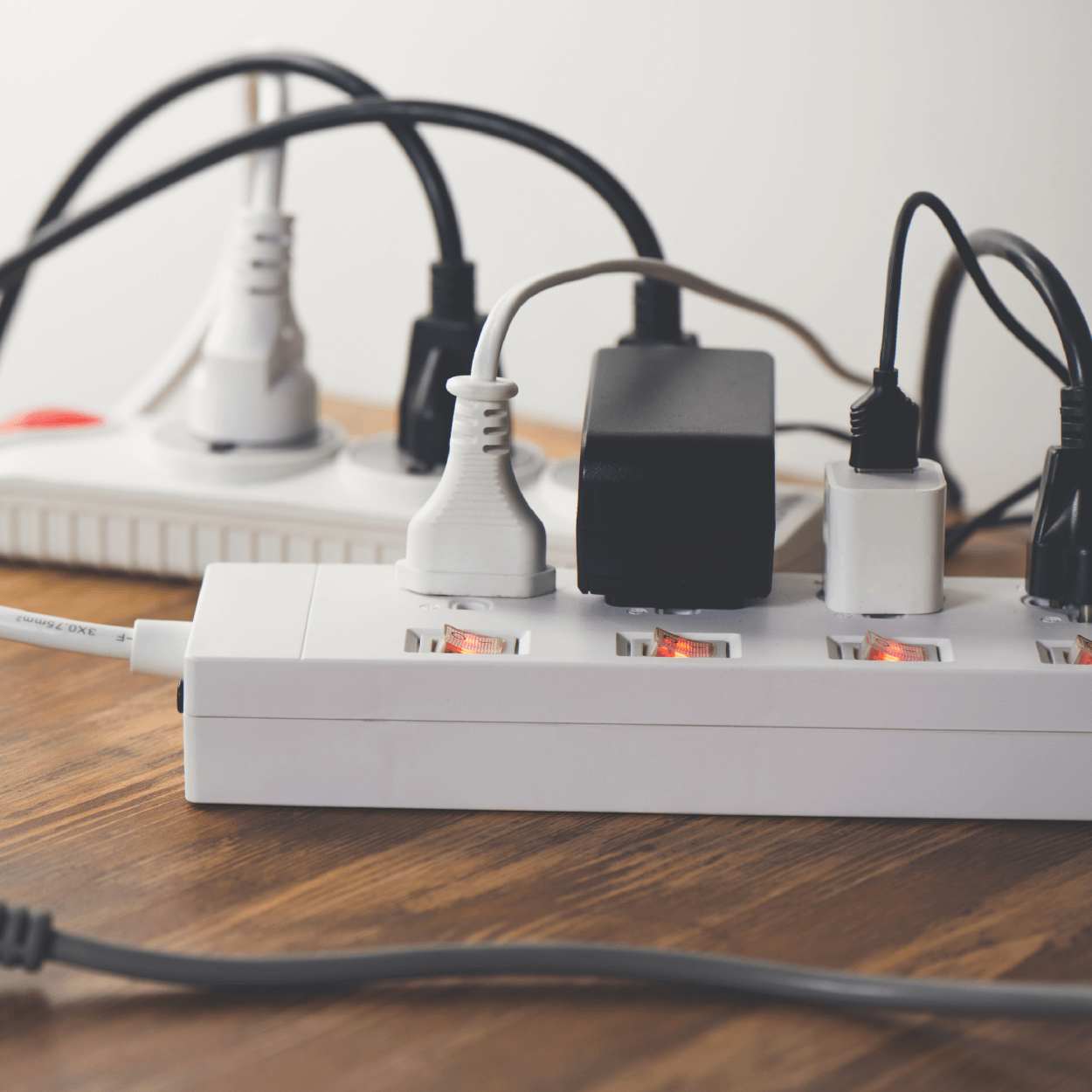
Did you know your expensive electronics continuously use power even when turned entirely off? This parasitic draw is aggressively called vampire energy. It can secretly add up to an alarming 20% to your electric bill each and every month.
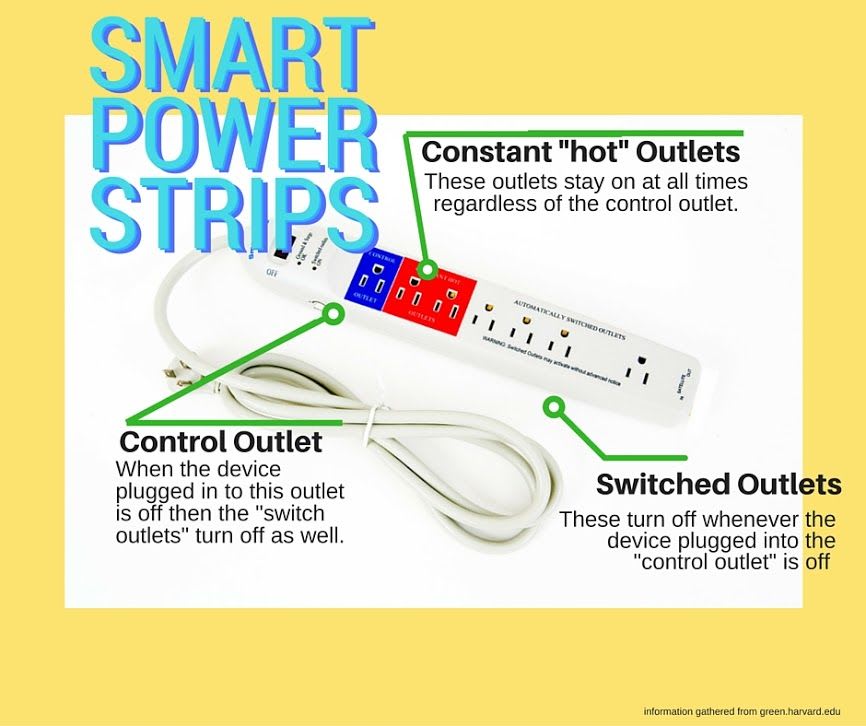
Actively controlling these sneaky devices can massively cut down your energy use. Making very small changes can easily lead to incredibly big savings. Consistency is the vital key to aggressively saving money at home.
Identifying Devices That Drain Power in Standby Mode
Many modern appliances stay electronically ready to start quickly. But this means they use power constantly even when visibly off. Look closely for devices with glowing digital clocks or active remote sensors. The worst offenders include:
>Gaming consoles and entertainment systems.
>Desktop computers and glowing monitors.
>Phone and laptop chargers left completely plugged in.
>Kitchen appliances with digital displays, like coffee makers or modern microwaves.
6. Leveraging Natural Light and Ventilation
Your home can actively control its own interior temperature with completely free natural light and fresh air. By intelligently using nature, you can effortlessly make your home much more comfortable. These brilliant methods are highly effective for achieving a nice indoor climate and massively lower bills.
Cross-Ventilation Techniques to Reduce AC Reliance
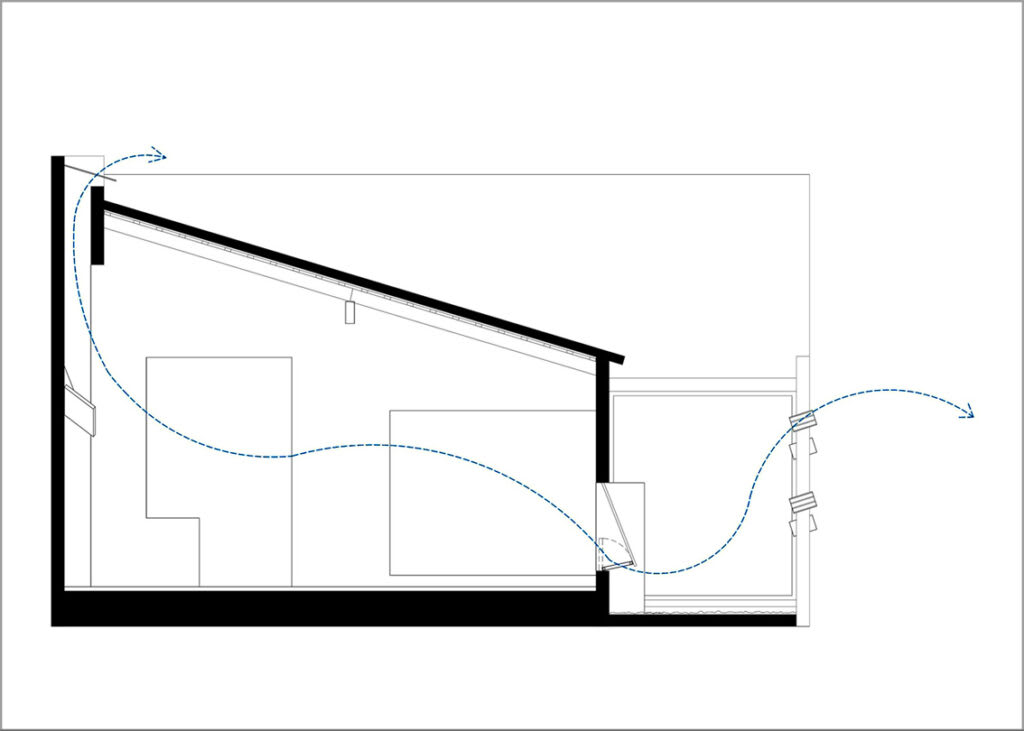
Deliberately use free, natural breezes to aggressively cool your home exactly when it’s cooler outside in the evening. Manually open windows on entirely opposite sides of your home to actively let fresh air flow right through. This proven, ancient method rapidly replaces stagnant warm air with cool, incredibly fresh air from outside.
Always open lower floor windows and an upper story window for the absolute best thermal results. Hot, warm air naturally rises, physically creating a powerful, natural cooling draft effect. Strategically using these methods can drastically decrease incredibly expensive air conditioning use in mild spring and fall weather.
Frequently Asked Questions
What are the most effective home energy habits to lower electric bill expenses immediately?
Adjusting your HVAC thermostat settings is an incredibly big energy saver. Lowering it by exactly 7-10 degrees for eight hours a day can mathematically save up to 10% on expensive climate control costs. Actively using a smart thermostat like Google Nest or Ecobee makes it completely effortless to save without totally losing your comfort.
What is “vampire energy,” and how does it explicitly affect my monthly statement?
Vampire energy, also called phantom load, is the physical power constantly used by devices like coffee makers and chargers even when visibly turned off. It can severely add up to an astonishing 20% of your total bill. Using Smart Power Strips to completely cut off devices when not in active use is a tremendously smart financial move.
What temperature should I strictly set my water heater to for maximum efficiency?
The U.S. Department of Energy highly suggests setting your tank water heater to exactly 120°F. Many heaters are dangerously set to 140°F by default from the factory, aggressively wasting energy and vastly increasing scalding risk. Manually lowering the setting dial is a very simple way to safely save energy and money.