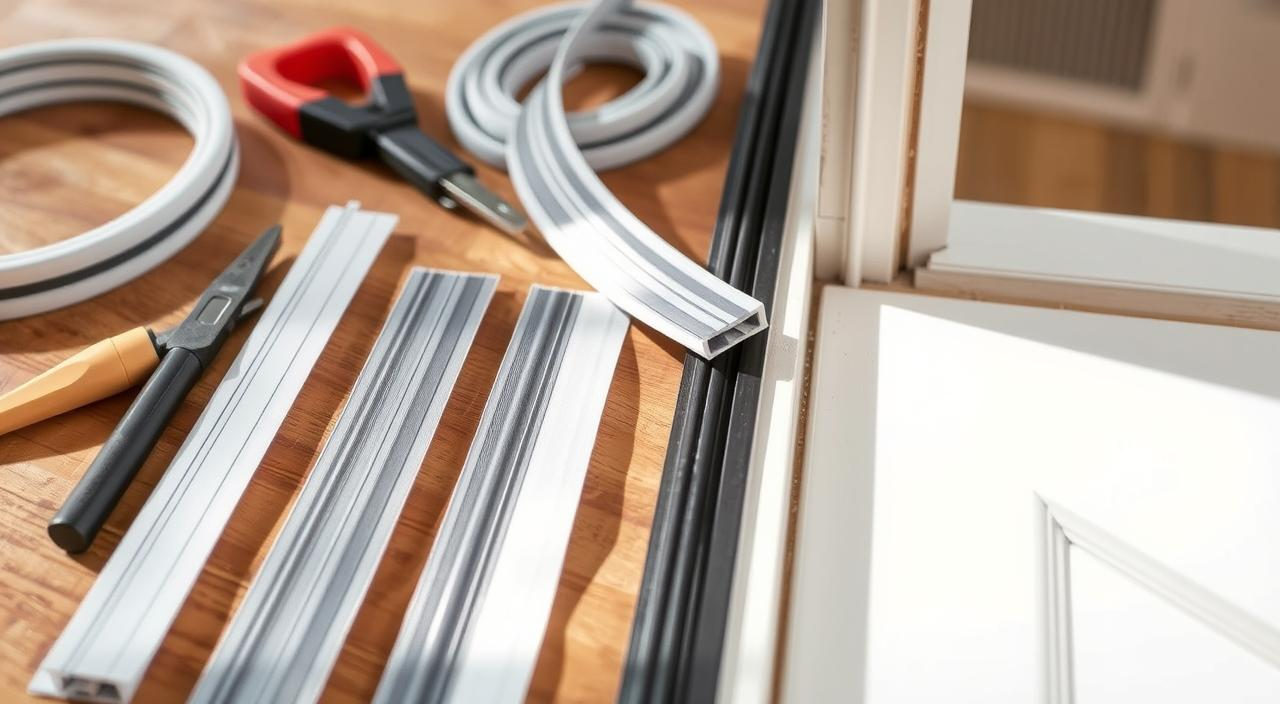
If you can clearly see daylight shining through the edges of your closed front door, you are essentially leaving a large window cracked wide open 365 days a year. The U.S. Department of Energy estimates that drafts from poorly sealed doors and windows can aggressively inflate your residential heating and cooling bill by up to 20% every single month.
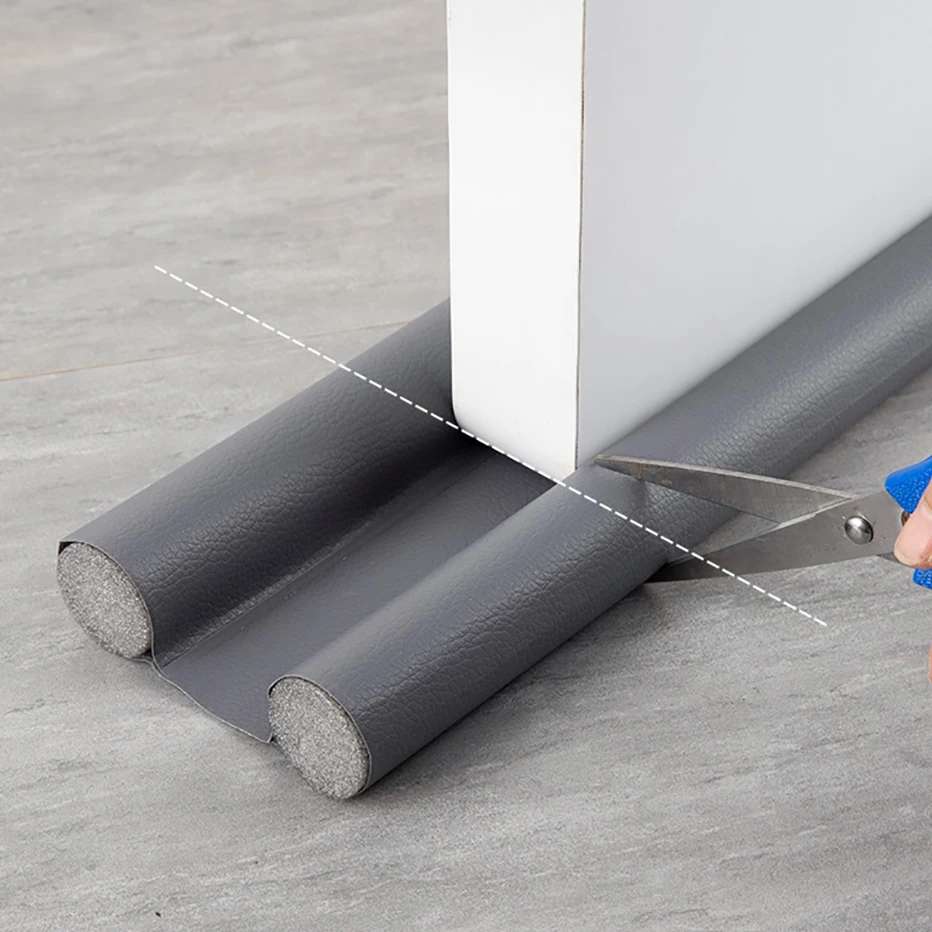
The extremely good news? You absolutely do not need to replace the entire expensive door to fix the problem. A simple weather stripping door kit costs less than $30 at the hardware store and takes a beginner under an hour to install completely. It is mathematically one of the highest return-on-investment maintenance projects a homeowner or renter can tackle.
In this comprehensive guide, we break down exactly how to choose the precise kit for your door’s architecture, how to successfully remove the old crumbling foam without damaging your paint, and how to install a permanent, airtight seal that will effortlessly keep the freezing cold air out and your expensive warm air safely in.
1. Choosing the Right Weather Stripping Kit
Not all weather stripping is created mathematically equal. If you buy the absolute cheapest sticky foam tape on the shelf, you will be scraping it off and replacing it again next year when it dries out. To get a permanent, 10-year fix, you need to precisely identify what type of physical door frame you have installed.
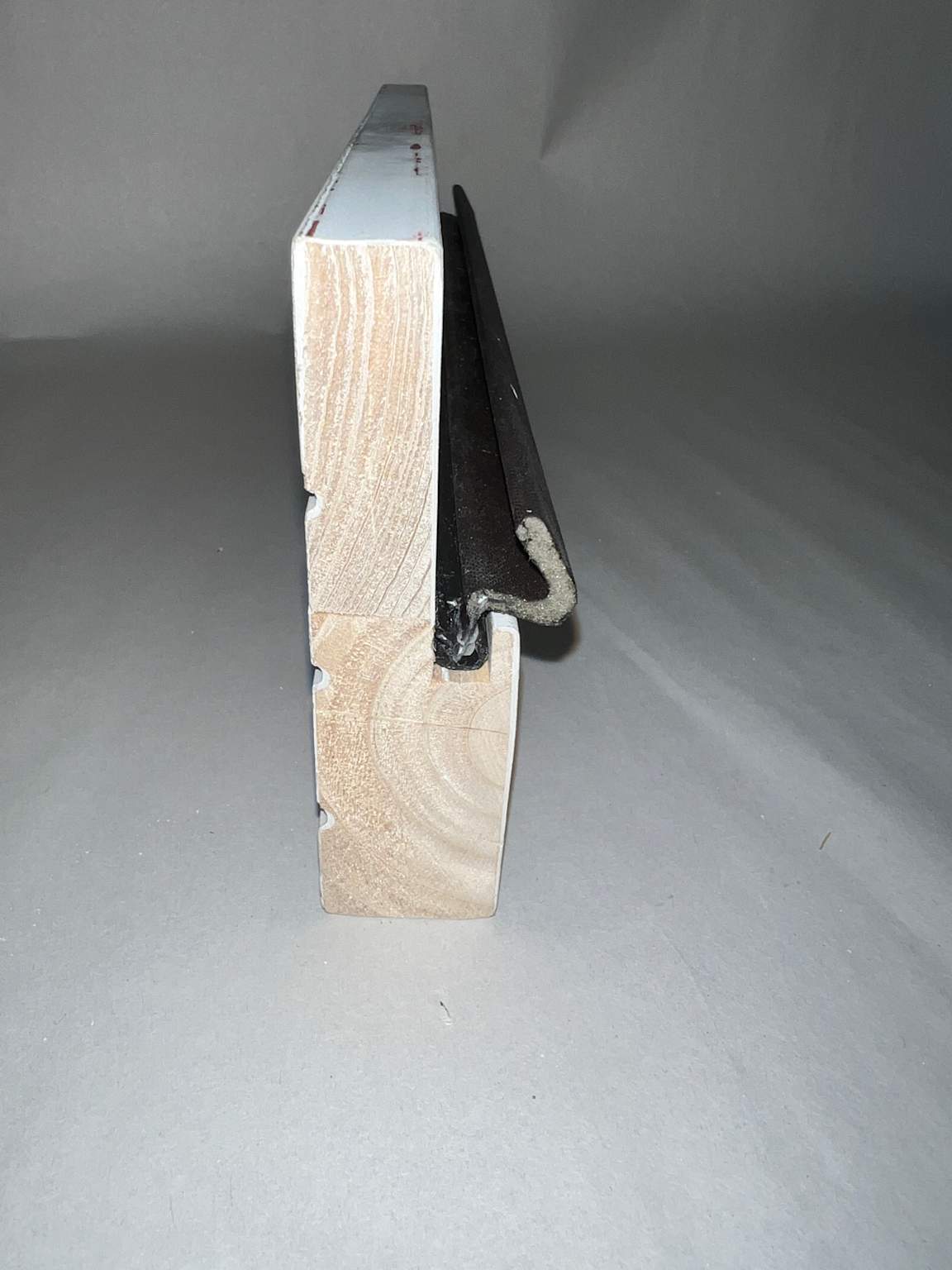
Kerf-Style Weatherstripping (Modern Doors)
Most residential doors built after 1990 have a very narrow, vertical groove (professionally called a “kerf”) cut directly into the wooden door frame by the manufacturer. The replacement weatherstripping has a rigid plastic fin that presses directly into this groove. Brands like Frost King and M-D Building Products sell direct replacements. This is by far the most durable and visually seamless option available.
V-Strip / Tension Seal (Older Historic Doors)
If your historic door frame is solid, flat wood with absolutely no groove, buy a V-Strip kit. This is a highly durable piece of flexible vinyl or spring metal folded perfectly into a “V” shape. You stick one side flat to the door frame. When the heavy door closes, it actively presses the “V” flat against itself, creating a powerful, airtight tension seal.
2. Step-by-Step Installation Guide
The physical installation process differs slightly based on the type of mechanical seal you are using, but the chemical preparation is exactly the same. Do not skip the critical cleaning step, or your brand new seal will fall off into the dirt within a month.
Step A: Remove the Old Material
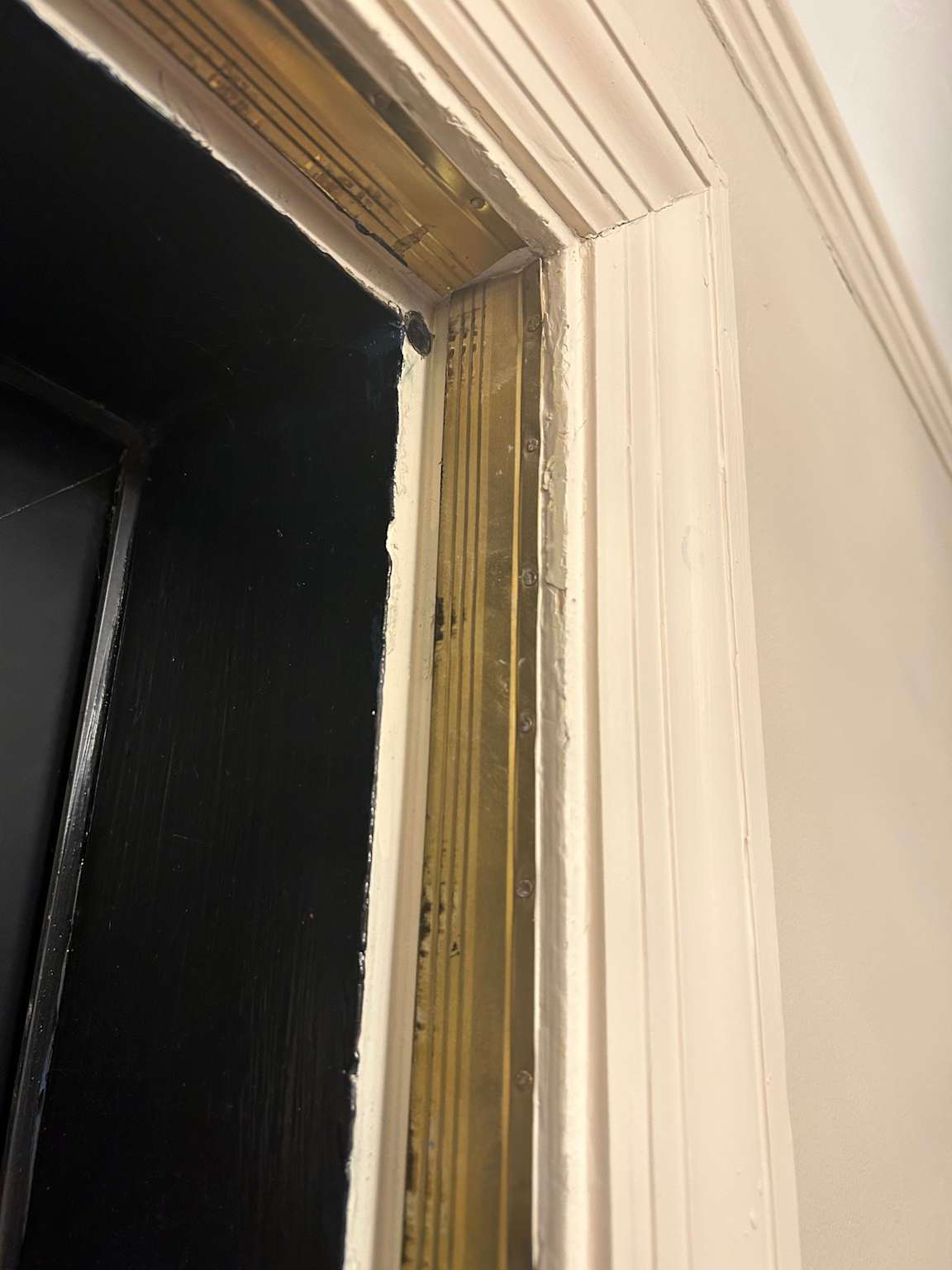
If you have a modern kerf-style door, aggressively slide a stiff metal putty knife under the old weather stripping and gently pry it entirely out of the wooden groove. If you have old, sticky adhesive foam, use the putty knife to carefully scrape it off completely without violently gouging the paint.
Step B: Clean the Surface (Crucial)
Soak a clean microfiber rag in 90% rubbing alcohol and aggressively scrub the door frame exactly where the new stripping will be attached. This chemically removes invisible dirt, hand grease, and old, stubborn adhesive residue. Let it air dry completely for 10 minutes.
Step C: Measure, Cut, and Install
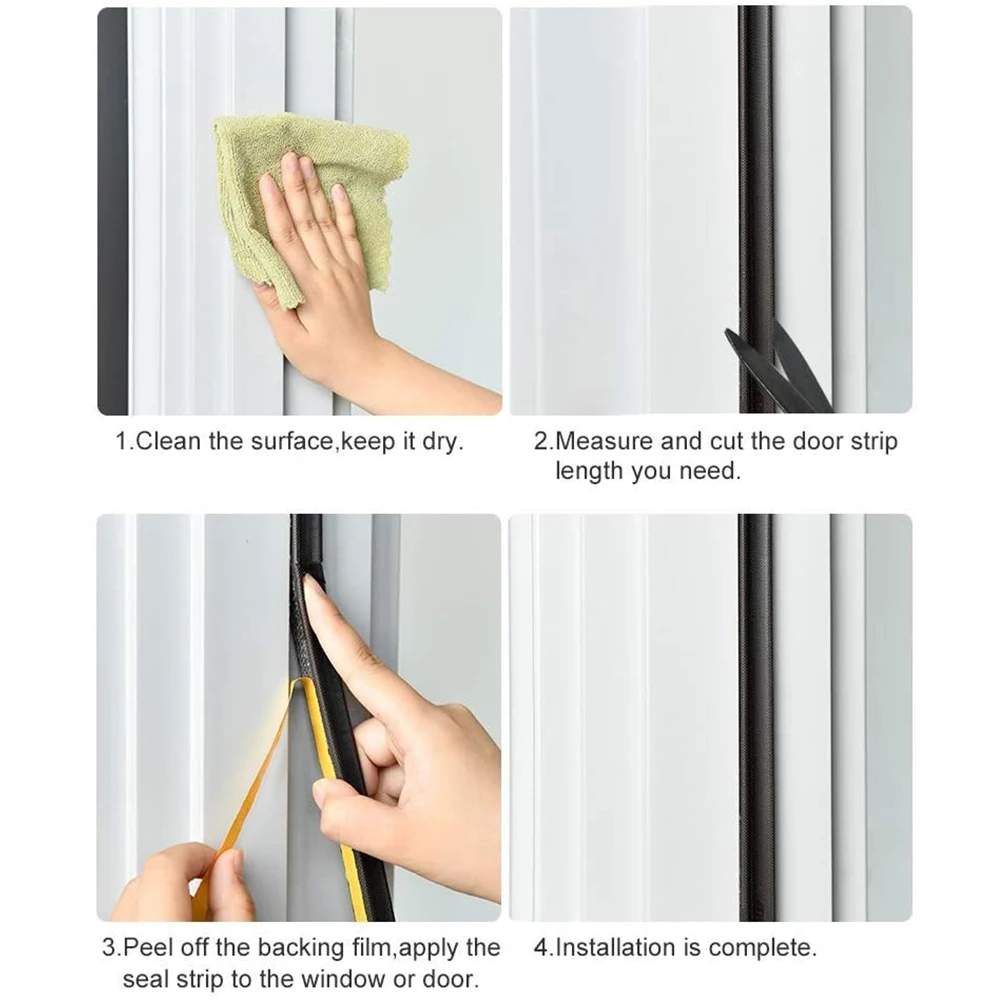
Always start with the top horizontal header piece before attempting the long vertical sides. Measure the top width of your door frame. Transfer that exact measurement to your new weather strip, and cut it cleanly with heavy-duty scissors or tin snips. If you are installing a Kerf seal, simply press the plastic fin directly into the groove. If using adhesive V-strip, peel back just two inches of the paper backing at a time as you slowly press it down.
3. Do Not Forget the Door Sweep
Weather stripping excellently handles the sides and top of the door frame, but the absolute largest draft in the entire house usually comes directly from the bottom floor threshold. If you can physically feel a cold winter breeze at your feet, you must also install a Door Sweep.
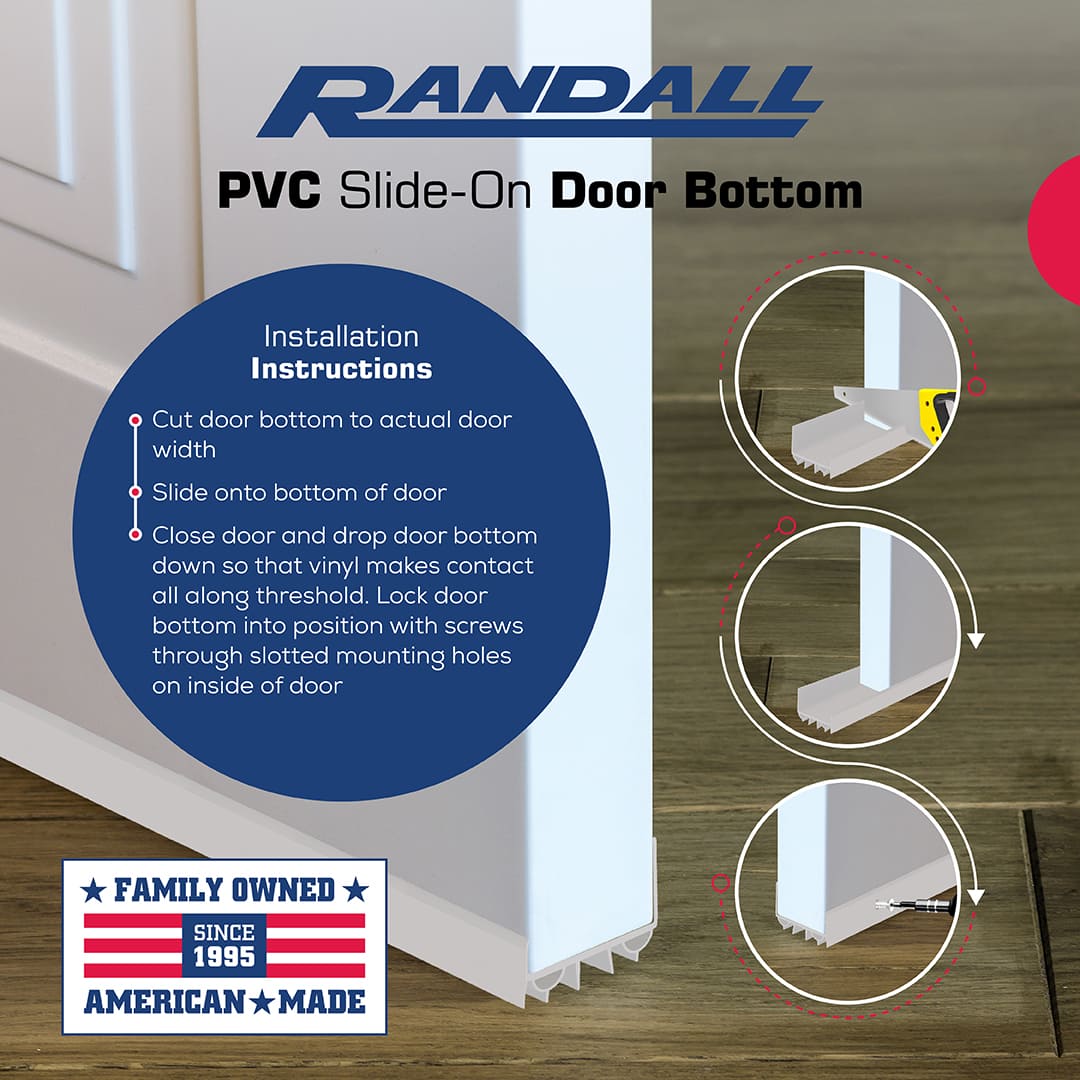
Modern sweeps are brilliant U-shaped pieces of heavy-duty vinyl that physically slide directly onto the bottom of the door without screws. Simply measure the width of your door, cut the sweep to size, open the door, and slide it snugly onto the bottom edge. The rubber fins will drag slightly against the metal threshold, creating an impenetrable barrier against wind, rain, and insects.
Frequently Asked Questions
My door is hard to close after installing the kit. Did I do something wrong?
It is perfectly normal and expected for a door to feel slightly “stiff” or forcefully require an extra push to latch for the first week after installing thick new weather stripping. The dense foam and vinyl need a few days of constant mechanical compression to physically “set” into the exact shape of your door.
Should I install weather stripping on the door itself, or the frame?
Weather stripping should almost always be installed directly on the static, non-moving door frame (the jamb), not the moving wooden door. Applying it to the moving door exposes the delicate adhesive to constant, violent friction every time it opens, causing it to peel off rapidly.
Will a heavy door sweep scratch my expensive hardwood floors?
If you have a proper metal threshold plate correctly installed under the door, the sweep will safely brush against the metal/wood threshold, not your delicate interior flooring. If you completely lack a threshold, buy a sweep with ultra-soft silicone fins rather than rigid plastic to actively protect your floors from scraping.