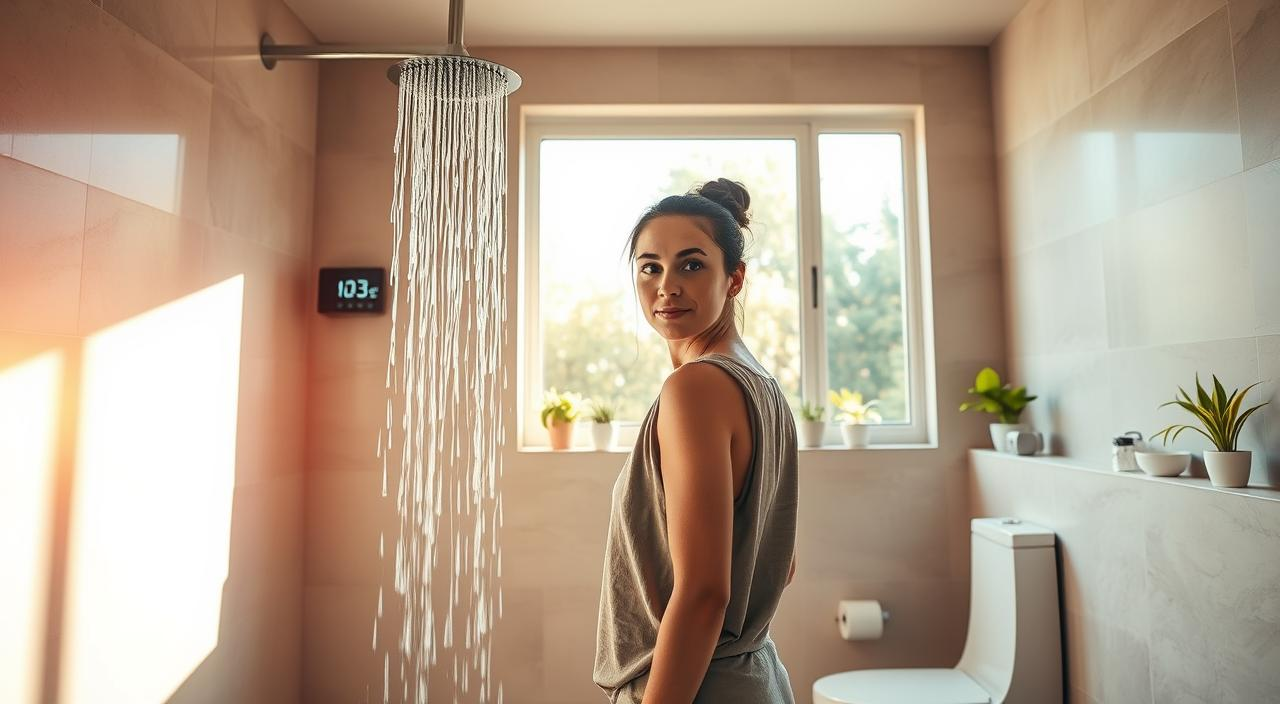
We might not all live next to a forest, but the water that falls on those trees is the same water that comes out of your shower head. Every minute you spend under that hot stream is connected to rivers, reservoirs, and the energy plants that heat it.
“The clearest way into the Universe is through a forest wilderness.” – John Muir
Most of us don’t think about that at 7 a.m. We’re just trying to wake up. But the numbers are hard to ignore: the average American shower uses around 17 gallons of water, and heating that water can account for about 12% of a home’s energy use.nhtma.org+1
As Thomas Fuller reminded us centuries ago, “We never know the worth of water till the well is dry.” – Thomas Fuller
The good news? You don’t have to suffer through freezing two-minute showers to make a difference. With a few smart tweaks—upgrading your showerhead, adjusting your water heater, and slightly reshaping your routine—you can keep your showers comfortable while using far less water and energy.
This guide walks you through exactly how to do that:
- how to figure out what your current showers are really costing,
- which fixtures actually save water without killing the water pressure, and
- how to build a shower routine that feels good, cuts your bills, and genuinely helps the planet.
Because in the end, as W. H. Auden put it, “Thousands have lived without love, not one without water.” – W. H. Auden
The Environmental Impact of Your Daily Shower

Your daily shower routine has a big impact on the environment. Water use, energy, and carbon footprint are key areas to focus on. It’s time to think about changing your shower habits.
Water Consumption Statistics in American Households
Showers use about 17% of household water. A family uses 40 gallons of water daily for showers. This adds up to 1.2 trillion gallons each year. Reducing water usage in the shower is very important.
Energy Usage for Water Heating
Heating water for showers uses a lot of energy. It’s about 12% of a home’s energy use. By having an environmentally friendly shower routine, you can use less energy.
Carbon Footprint of Traditional Shower Habits
Traditional shower habits have a big carbon footprint. This is mainly because of the energy needed to heat water. By using sustainable bathroom practices, like low-flow showerheads or shorter showers, you can cut down your carbon footprint.
Knowing how your daily shower affects the environment helps you make better choices. Simple changes can make a big difference.
Understanding Your Current Shower Habits

To start your journey towards an eco-conscious bathing habit, it’s key to know your current shower habits. This knowledge helps you spot areas to improve. It makes your daily routine more sustainable.
Assessing your shower habits means checking your water use, energy use, and wasteful practices. This helps you make choices to lessen your environmental impact.
Calculating Your Shower Water Usage
An American shower uses about 2.1 gallons per minute for 8.2 minutes. This equals around 17.2 gallons of water. To figure out your water use, measure your flow rate.
Simple Methods to Measure Flow Rate
One easy way is to use a bucket of known volume (like 1 gallon). See how long it takes to fill it while showering. The flow rate is the volume divided by the time. For example, if it takes 30 seconds to fill a 1-gallon bucket, your flow rate is 2 gallons per minute.
Measuring Energy Consumption
Energy use for showering comes from heating water. Check your water heater’s energy use, shown in kilowatt-hours (kWh). The more hot water you use, the more energy you consume.
“Reducing your shower time can significantly lower your energy bills.” The U.S. Department of Energy says water heating uses about 12% of a home’s energy.
Identifying Wasteful Practices
Wasteful practices include long showers and running water while soaping up or shampooing.
Common Shower Habits That Increase Utility Bills
- Leaving the water on while lathering or shampooing
- Taking long, hot showers
- Using outdated, inefficient showerheads
Knowing these habits lets you make simple changes. These changes reduce your water and energy use. They lead to a more eco-friendly shower routine.
Water-Saving Shower Fixtures That Maintain Pressure

Upgrading your shower can cut down water use without losing comfort. Today’s tech lets you enjoy a luxurious shower while being kind to the planet.
Low-Flow Showerheads with Pressure-Compensating Technology
Low-flow showerheads save water without losing the feel of a good shower. They use special tech to keep water flow steady, even at lower pressures.
Key benefits:
- Water savings of up to 40%
- Maintains strong water pressure
- Meets EPA standards for water efficiency with the WaterSense label
Top Performing Models for American Homes
Here are some top low-flow showerheads:
- Delta Faucet H2Okinetic: It creates a unique wave pattern for a great shower feel.
- Moen Align: It’s sleek and uses water efficiently.
- Kohler Purist: It’s simple yet has advanced water-saving tech.
Thermostatic Mixing Valves
Thermostatic mixing valves (TMVs) keep water at a steady temperature. This makes showers safer and more comfortable. TMVs mix hot and cold water to get the perfect temperature.
Benefits of TMVs:
- Consistent water temperature
- Enhanced safety by reducing scalding risk
- Energy efficiency by optimizing water temperature
Shower Flow Regulators and Aerators
Shower flow regulators and aerators help save water. They limit water flow or mix it with air for a good shower feel while using less water.
Advantages:
- Reduced water consumption
- Maintains shower pressure
- Easy to install
Optimizing Your Water Heater for Efficiency

An efficient water heater is key for a green shower routine. Heating water uses up to 18% of a home’s energy. So, it’s important to set your water heater right.
Ideal Temperature Settings
Choosing the right water heater temperature is vital. The U.S. Department of Energy says 120°F (49°C) is best. This saves energy and cuts costs.
Lowering the temperature from 140°F to 120°F can save up to 10% on heating costs.
Insulation Solutions for Water Heaters and Pipes
Insulating your water heater and pipes helps save energy. Wrap your water heater with insulation and cover the first few feet of pipes. This can save 4-9% on heating costs.
Tankless vs. Traditional Water Heaters
Tankless water heaters only heat water when you need it. This can save energy. But, they cost more upfront. Traditional tank water heaters are more common but might not be as efficient.
Cost-Benefit Analysis for American Households
| Water Heater Type | Initial Cost | Annual Energy Cost | Lifespan |
|---|---|---|---|
| Traditional Tank | $800 – $1,500 | $400 – $600 | 10-15 years |
| Tankless | $1,000 – $3,000 | $200 – $400 | 15-20 years |
Tankless water heaters cost more at first. But, they last longer and use less energy, saving money in the long run.
Creating an Energy Efficient Shower Routine
It’s easy to make your shower both comfy and green. Just a few simple steps can cut down on water and energy use. You won’t have to give up the quality of your shower.
Optimal Shower Duration Without Feeling Rushed
Shortening your shower time is a big help. Try to keep it around 5 minutes. Turn off the water while you’re soaping or shaving. Use a timer to stay on track.
Some digital shower controls have timers to help you. This way, you can enjoy a good shower without wasting water or energy.
- Use a timer to monitor your shower time.
- Turn off the water while soaping or shampooing.
- Consider a low-flow showerhead to maintain pressure.
Strategic Timing for Water Heating
Heating water uses a lot of energy. Try to take your showers when it’s cheaper to do so. This can save you money and help the planet.
Using a tankless water heater is also smart. It heats water only when you need it, saving energy.
Navy Shower Technique Modified for Comfort
The Navy Shower cuts water use by up to 95%. It’s about turning off the water while you’re soaping. Then, turn it back on to rinse.
To make it comfy, lower the water temperature a bit when you’re not under the shower. This way, you save water and energy without feeling cold.
Maintaining Warmth While Conserving Water
To stay warm and save water, use a thermostatic mixing valve. It keeps the water at a steady temperature. This stops sudden cold or hot water.
Also, insulate your shower area well. This keeps the heat in longer. You won’t need to use as much hot water.
By following these tips, you can have a cozy, green shower. It’s good for the planet and might even save you money.
Smart Technology for Shower Efficiency
Smart technology can make your shower more efficient. It helps save water and energy. These systems are designed to use less water and cut down on waste.
Digital Shower Controls and Timers
Digital controls and timers help you track and limit water use. They make sure your shower is both luxurious and efficient. You can set them to adjust water temperature and pressure for a better experience.
User-Friendly Options for All Budgets
There are many options for digital shower controls, from simple timers to advanced systems. Brands like Moen and Kohler offer stylish and functional controls for all budgets.
Water Recycling Shower Systems
Water recycling shower systems are a new technology. They recycle and reuse water during your shower. This reduces water use and is good for the environment.
Shower Monitors and Usage Apps
Shower monitors and apps give insights into your water use. They help you find ways to use less water. This can lower your water and energy bills.
Adding smart technologies to your shower makes it more sustainable and efficient. Exploring these options can make your shower routine eco-friendly and cost-effective.
Eco-Friendly Shower Products and Practices
Eco-conscious bathing habits are key for our planet’s future. Making your shower routine sustainable is important. Choosing eco-friendly products can help a lot.
Biodegradable Soaps and Shampoos
Switching to biodegradable soaps and shampoos is easy. These products break down naturally, reducing harm to our waterways. Look for EPA Safer Choice or Leaping Bunny to find safe options.
Concentrated Products That Require Less Water
Using concentrated shower products saves water. They need less water to make and ship. This choice helps the planet and saves resources.
Sustainable Alternatives to Plastic Shower Items
Traditional shower items like loofahs and razors are often plastic. This plastic harms our oceans and landfills. Try bamboo or silicone instead. They’re durable and better for the planet.
Bamboo and Silicone Options That Last Longer
Bamboo and silicone are great for showers. Bamboo is renewable, and silicone lasts long and can be recycled. They’re better than plastic and help reduce waste.
Adding eco-friendly products to your routine helps the planet. Simple changes can make a big difference. Let’s work together for a greener future, one shower at a time.
Bathroom Modifications for Enhanced Efficiency
To make your bathroom more efficient, think about a few key changes. These can cut down on water and energy use. They also help keep your bathroom comfy while being kinder to the planet.
Shower Stall Design Considerations
When you’re planning your shower stall, pick low-flow showerheads and water-efficient fixtures. These choices save water. Also, a smaller shower stall uses less water to fill and heat.
Ventilation and Humidity Control
Good ventilation is key to stop moisture buildup. This stops mold and mildew. A top-notch exhaust fan or ventilation system keeps humidity in check. It makes your bathroom more efficient and comfy.
Greywater Systems for Shower Water Reuse
Greywater systems let you use shower water for plants and toilets. This cuts down on water waste. They’re great for homes with gardens or lawns.
Simple DIY Options vs. Professional Installations
Some greywater systems are easy to install yourself. But, more complex ones need a pro. Think about what you need and can do before choosing.
Embracing Sustainable Shower Habits for Long-Term Impact
Starting an eco-friendly shower routine is a big step for the planet. It helps save water and energy. This makes a big difference.
Being green in the shower also saves you money. Simple steps like using low-flow showerheads help a lot. They also make your showers shorter, saving even more.
This article has shown many ways to make your shower better for the earth. By following these tips, you help the planet. You also make your shower better for you.
Start making changes to your shower today. Begin with one or two new habits. As you get used to them, you can add more. Soon, you’ll have a shower routine that’s good for you and the earth.
Conclusion
If you zoom out, a single shower looks small. A few extra minutes here, a slightly hotter setting there—what difference could it make?
But when you add it up across days, months, and millions of households, those “small” choices become huge. Showers alone account for roughly 17% of indoor household water use in the U.S., and most of that water has been pumped, treated, and heated before it ever touches your skin.nhtma.org+1
That means every improvement you make pays off twice:
- You save water at the tap.
- You save energy that would have been used to heat and deliver that water.
You’ve seen the main levers:
- Swapping to a WaterSense-labelled low-flow showerhead so you keep the pressure and lose the waste.psc.state.wv.us
- Setting your water heater to about 120°F (49°C) so you’re not paying to overheat water you’ll just cool with cold.
- Trimming a few minutes from each shower and turning the water off while you lather or shave.
- Adding smart tech—timers, digital controls, or usage monitors—if you like data and automation.
None of these changes ask you to give up comfort. Instead, they make your comfort smarter and more intentional.
The real shift happens when these choices become part of who you are: someone who enjoys long-term comfort over short-term convenience, who sees the link between that warm shower and the wider world outside the bathroom door.
Start with one or two changes that feel easiest—a new showerhead, a 5-minute timer, or a quick check of your heater temperature. Notice the difference in your bills and your conscience. Then build from there.
Every shower is a chance to vote for the kind of future you want. You still get to enjoy the steam, the quiet, the reset. You’re just doing it in a way that respects the water, the energy, and the planet that make it possible.
FAQs
1. How can I save the most water in the shower?
The three biggest wins are:
- Shorten your shower.
Aim for about 5 minutes. Even cutting just 2–3 minutes can save dozens of gallons each week. - Install a low-flow, WaterSense-labelled showerhead.
These are designed to use 2.0 gallons per minute or less while still feeling strong.psc.state.wv.us - Turn the water off while you lather.
This “stop-start” style (a softer version of the Navy shower) can cut water use dramatically without feeling extreme.
If you only do those three, you’re already far ahead of most households.
2. How much water does a 10-minute shower use?
It depends on your showerhead:
- Standard older showerhead (~2.5 gpm): ~25 gallons in 10 minutes
- Low-flow showerhead (~2.0 gpm): ~20 gallons in 10 minutesSparkPod+1
If you’re not sure what you have, you can do a quick bucket test: see how long it takes to fill a 1-gallon container and calculate the flow.
3. Is it better to take a bath or a shower to save water?
It depends on:
- Your tub – A full bath can use 35–50+ gallons.
- Your showerhead and time – A 5-minute shower with a 2.0 gpm head uses about 10 gallons.
For most people with a modern low-flow showerhead and reasonable shower length, showers usually use less water than full baths. Occasional baths are fine; just don’t fill the tub to the brim if you’re trying to be water-wise.
4. What is the most water-efficient way to shower?
The most water-efficient method is a modified “Navy shower”:
- Turn the water on and get wet (30–60 seconds).
- Turn the water off while you shampoo, soap, and shave.
- Turn it back on just to rinse (1–2 minutes).
Pair that with a low-flow showerhead and you can get a full, comfortable shower using well under 10 gallons. If that feels too extreme, just keep the idea and soften it a bit—shorter run time, and off during at least part of the lathering.
5. How long should a shower be to save water and protect my skin?
Most dermatologists suggest 5–10 minutes as a good range: long enough to get clean, short enough to avoid drying out your skin. Staying closer to the 5-minute mark is ideal for both your skin and your water bill.SparkPod+1
If you love longer, spa-style showers, save them for an occasional treat instead of every day.
6. Does lowering my water heater temperature really save much energy?
Yes. Heating water is a big chunk of home energy use—around 12% or more for many households.psc.state.wv.us
Dropping your heater from 140°F to around 120°F (60°C to 49°C) can:
- Cut standby heat loss (heat slowly leaking out of the tank)
- Reduce the energy used each time you run hot water
- Still feel perfectly comfortable for showers, especially if you’re not mixing scalding hot water with a lot of cold
It’s one of the easiest “set it and forget it” changes you can make.