“The biggest adventure you can take is to live the life of your dreams.” – Oprah Winfrey
For most of us, that “dream life” does not include staring at a shockingly high utility bill every month. Yet here we are: according to recent surveys, the majority of adults say rising energy costs are one of the top pressures on their household budget. HogoNext+1
The tricky part is that energy waste rarely looks dramatic. It’s the small things – a thermostat left a little too high, a laptop charging all night, a half-empty dishwasher on full power. One habit doesn’t seem like much, but added up over days and months, it quietly drains your bank account.
The good news is you don’t have to turn into a hardcore minimalist or live in the dark to see a difference. Tiny tweaks to how you shower, cook, do laundry, work at your desk, and wind down at night can shave real money off your bills and cut your home’s carbon footprint at the same time.
As Charles Duhigg puts it, “Habits are powerful, but they’re fragile. They can be influenced by the right cues and rewarded with positive reinforcement.” – Charles Duhigg
Think of this guide as your “cue”. You’ll see where your everyday routine leaks energy, how to plug those gaps without feeling deprived, and how to turn a few simple tricks into long-term habits that stick – so lower bills become your new normal, not a one-month miracle.
The Real Impact of Your Daily Energy Choices
Your daily energy choices greatly affect the environment and your wallet. The way you use energy impacts your bills and the planet’s health.
Being mindful of your energy use can make a big difference. Adopting eco-friendly lifestyle tips can lower your carbon footprint. It also helps create a more sustainable future.
Environmental Benefits of Energy Conservation
Conserving energy is a simple way to cut your carbon footprint. By following eco-friendly lifestyle tips daily, you can lessen your environmental impact. For example, using less energy can stop 44 million metric tons of carbon dioxide pollution each year.
Financial Advantages of Reducing Energy Consumption
Lowering energy use is good for the environment and your wallet. By using sustainable living tips, you can save $8 billion a year. Small changes in your energy use can lead to big savings on your bills.
Why Most Energy Saving Habits Fail to Stick
Even when you want to save energy, it’s hard to keep it up. Knowing why can help you beat the odds and really cut down on energy use.
Common Obstacles to Sustainable Practices
Not seeing how much energy you use is a big problem. For example, the power used when devices are turned off but still on can be a lot. Old habits are tough to change, and starting can feel too hard. Energy efficiency tips say starting small is good, but keeping it up is the real challenge.
Our busy lives make it easy to choose convenience over saving energy. Using appliances like dishwashers and washing machines too much can use a lot of energy.
Psychology Behind Habit Formation
How we form habits is key to saving energy. Habits need repetition and positive feedback to stick. As Charles Duhigg says in “The Power of Habit,” “Habits are powerful, but they’re fragile. They can be influenced by the right cues and rewarded with positive reinforcement.” Knowing this can help you strategically replace old habits with better ones.
To keep energy-saving habits, start small and be regular. Celebrating small wins can help make new habits last, making them a part of your daily life.
Essential Daily Energy Saving Tips for Your Morning Routine

Morning habits are key to your daily energy use. A few simple changes can cut down your energy use. This helps with green living strategies.
Optimizing Your Shower and Bathroom Habits
Your bathroom habits are a great place to start saving energy. Making a few tweaks can make a big impact.
Water Temperature and Flow Adjustments
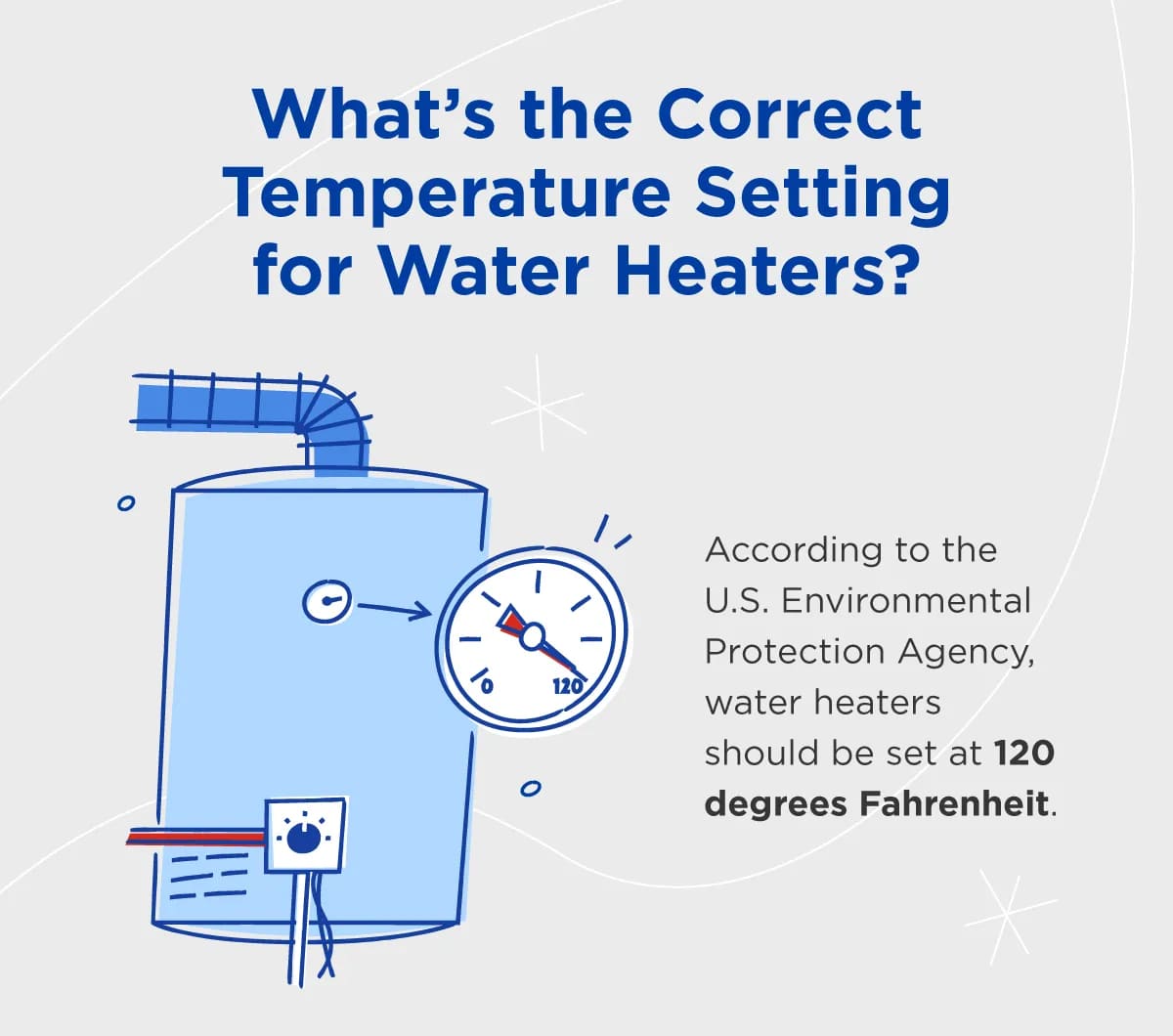
Lowering your water heater to 120 degrees can save up to $61 a year. Also, using low-flow showerheads cuts down energy use.
Efficient Bathroom Appliance Use
Choosing energy-efficient bathroom items, like LED lights and low-power hair dryers, can lower utility bills.
Energy-Efficient Breakfast Preparation
Efficient breakfast prep can save energy too. Using a microwave or toaster oven instead of a big oven saves power. These tools help make a quick, healthy breakfast.
Smart Morning Thermostat Management
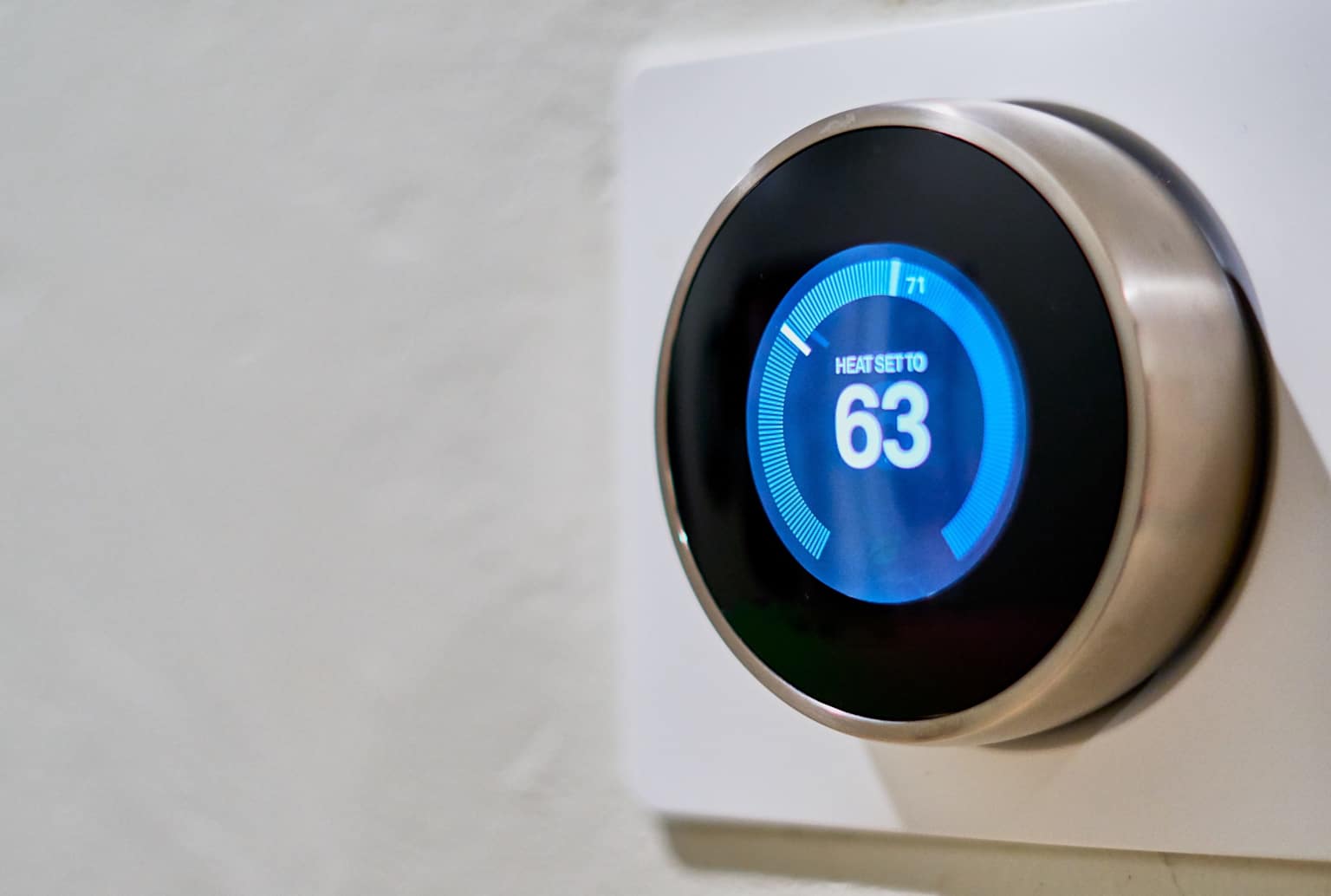
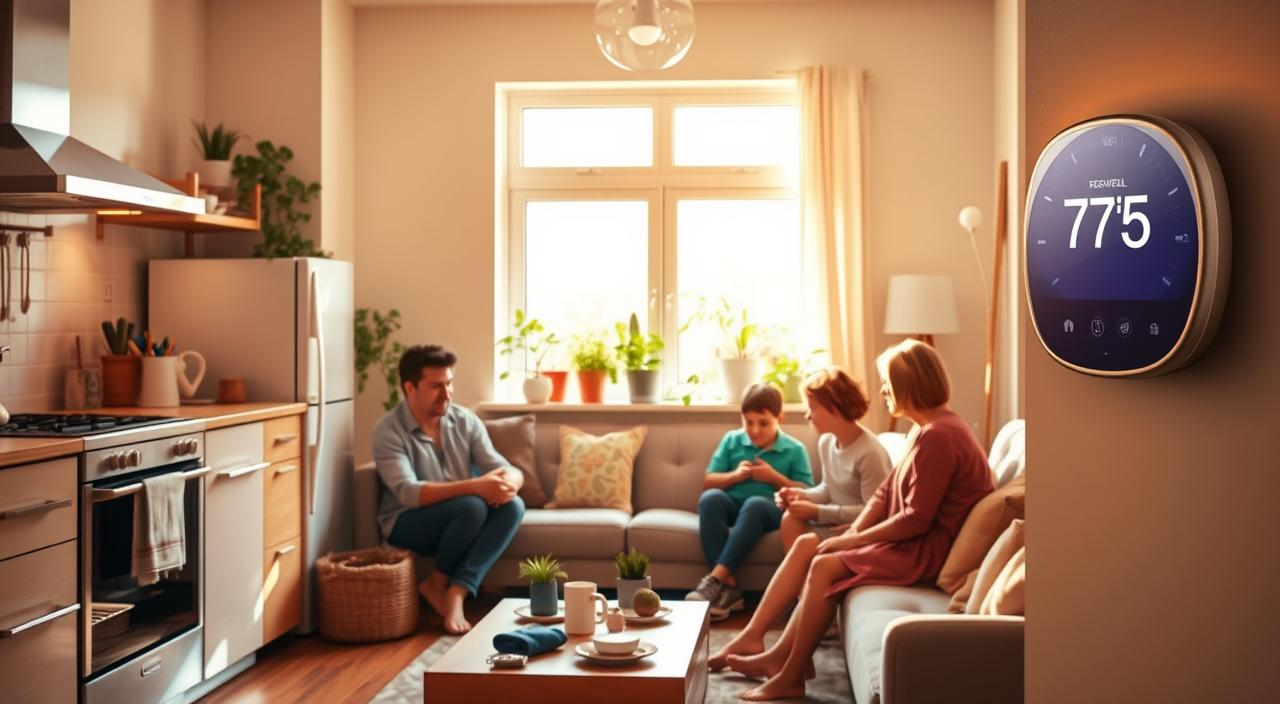
Adjusting your thermostat in the morning helps a lot. Raise it in summer or lower it in winter when you’re out. A programmable thermostat makes this easy and saves energy.
Adding these energy-saving tips to your morning routine benefits the environment and lowers your utility bills.
Kitchen Habits That Dramatically Cut Energy Use
Your kitchen is a big user of energy, but you can make changes. Simple habits can cut down on waste and lower your bills. By making a few tweaks, you can save a lot of energy.
Refrigerator and Freezer Optimization
Getting your fridge and freezer to work better can save a lot of energy. Make sure they’re at the right temperature (around 37°F for the fridge and 0°F for the freezer). Also, clean the coils and check the door seals often. This can save you up to $150 a year.
Cooking Methods That Save Electricity
Choosing the right cooking method can really help save energy. Using the right appliances and techniques can make a big difference.
Microwave vs. Oven Efficiency
Using a microwave instead of an oven can save a lot of energy. Microwaves use less power to cook or reheat food. For example, reheating a cup of coffee in a microwave uses about 0.12 kWh. But using an oven uses around 1.3 kWh.
Batch Cooking Benefits
Batch cooking is another way to save energy. Cooking several meals at once uses less energy overall. It also saves you time during the week.
Dishwashing Strategies for Maximum Efficiency
Dishwashing can use a lot of energy, but you can make it more efficient. Run a full load in your dishwasher and use the energy-saving cycle. Also, save water and energy by scraping off food scraps before washing dishes. Using energy-efficient LED bulbs in your kitchen can save about $225 a year.
Laundry Room Efficiency: Washing and Drying Smarter
Changing your laundry habits can save a lot of energy. By washing and drying clothes more efficiently, you cut down on energy use. This is good for the planet and your wallet.
Temperature Settings That Save Power
Washing clothes in cold water is a simple way to save energy. It’s estimated that using cold water can save up to 90% of the energy used for washing. Modern detergents work well in cold water, just like hot water.
Air-Drying Techniques for Different Fabrics
Air-drying clothes is another smart move. Drape delicate items flat on a towel to dry, while heavier items like towels can be hung on a line. For items that can’t be air-dried, use a drying rack indoors. This method is energy-saving and gentle on clothes, making them last longer.
Home Office and Electronics: Cutting the Digital Energy Drain
Understanding how your home office and electronics use energy is key. Your devices and equipment add a lot to your energy bill.
Power Management Settings That Make a Difference
Changing your devices’ power settings can save a lot of energy. Lowering your monitor’s brightness and turning off your computer when idle helps a lot. You can save up to $100 a year by unplugging unused appliances and electronics.
Smart Power Strips and Their Proper Use
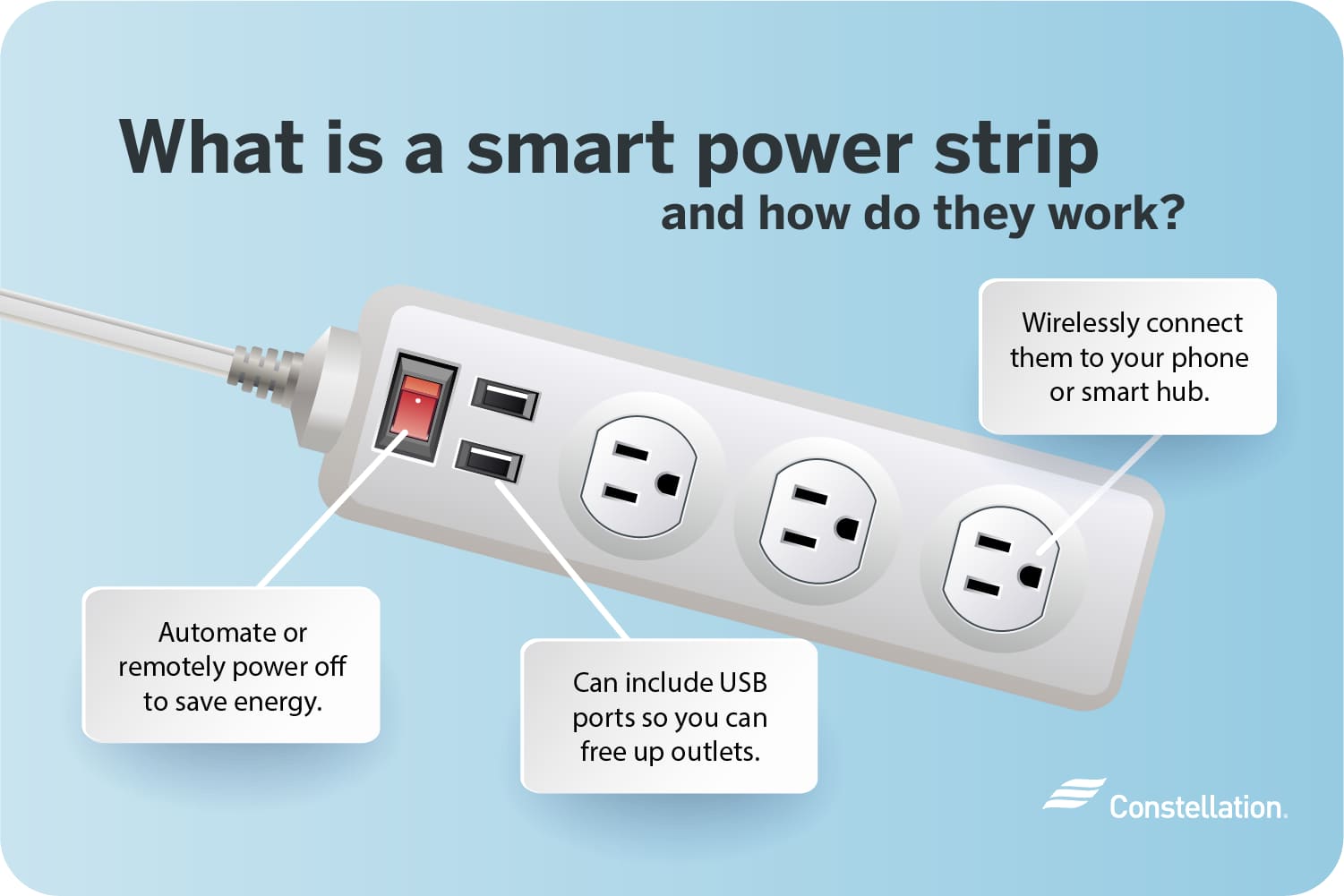
Smart power strips cut power to devices when they’re off. Using them for your office gear is a smart way to reduce energy consumption.
Energy-Efficient Computing Habits
It’s important to use energy wisely. This means considering
Sleep vs. Shutdown Considerations
and
Monitor and Peripheral Management
. For example, turning off your computer and peripherals saves energy. But, putting them to sleep is good for short breaks.
By following these tips, you can greatly reduce your digital energy footprint. This helps the environment and saves you money. These sustainable living tips are good for both your wallet and the planet.
Evening Routines: Winding Down While Saving Energy
Winding down in the evening doesn’t have to waste energy. Simple changes can make a big difference. As you get ready for bed, there are ways to cut down on energy use without losing comfort.
Lighting Strategies for Different Activities
Changing your lighting for different evening activities can save energy. For example, dim red lights are great for reading and save energy. LED bulbs use much less energy than old bulbs. Think about using smart lighting that changes brightness and color based on the time or activity.
| Activity | Recommended Lighting | Energy Saving Tip |
|---|---|---|
| Reading | Dim red light | Use LED bulbs |
| Watching TV | Soft white light | Dim or turn off unnecessary lights |
| Relaxing | Soft blue or green light | Use smart lighting systems |
Entertainment Choices That Consume Less Power
Your evening entertainment choices affect energy use. Streaming services use less energy than cable or satellite TV. Also, using devices in low power modes or turning them off saves energy. Think about the energy efficiency of your devices when it’s time to upgrade.
- Use streaming devices instead of cable or satellite TV
- Enable low power modes on devices
- Turn off devices when not in use
Blackout curtains help by keeping air from escaping. This lets you set your thermostat a bit higher or lower. By making these small changes, you can enjoy your evenings while saving energy.
Seasonal Adjustments to Your Daily Energy Saving Tips
As the seasons change, it’s key to adjust your energy-saving habits. This way, you can keep your home comfy while cutting down on energy use. And, you’ll also save money on your utility bills.
Summer Cooling Without Excessive AC Use
Cooling your home in summer can use a lot of energy. To avoid using too much AC, try adjusting your thermostat and using fans. This can help save energy while keeping your home cool.
- Use window treatments to block direct sunlight during the hottest parts of the day.
- Upgrade to energy-efficient windows or apply window films to reduce heat gain.
- Plant trees or install awnings to shade windows and reduce cooling needs.
Winter Warming Strategies Beyond Cranking the Heat
In winter, keeping your home warm without relying too much on heating is important. You can do this by using passive heating and being careful with your thermostat.
- Open curtains on sunny days to let sunlight warm your home, then close them at night to retain the heat.
- Use area rugs on cold floors to warm up spaces.
- Seal drafts and add insulation to prevent heat loss.
Spring and Fall: Maximizing Natural Temperature Control
In spring and fall, you can use the mild weather to control your home’s temperature. Open windows for fresh air and use cross-ventilation to cool or warm your home as needed.
| Season | Energy-Saving Tip | Benefit |
|---|---|---|
| Summer | Use fans and adjust thermostat | Reduced AC use |
| Winter | Use passive heating and seal drafts | Lower heating bills |
| Spring/Fall | Maximize natural ventilation | Reduced need for AC and heating |
By making these seasonal changes, you can develop energy-saving habits. These habits will help you lower your utility bills all year round.
Weekend Projects That Improve Energy Efficiency
Doing a few simple projects over the weekend can cut down your energy use. These tasks make your home more comfortable and save energy.
DIY Weatherproofing Techniques
Weatherproofing your home is a great way to save energy. It involves sealing gaps around windows and doors and improving insulation.
Window and Door Sealing
Caulking around windows and doors keeps your home warm in winter and cool in summer. You can use caulk or weatherstripping, found at most hardware stores.
Insulation Improvements
Good insulation keeps your home at a steady temperature. This means you don’t need to heat or cool it as much. Check your attic, walls, and floors for insulation. Add more if it’s needed.
Maintenance Tasks That Optimize Appliance Performance
Keeping your appliances in good shape makes them work better. Here are some tasks to do:
- Clean or replace the filters in your HVAC system and vacuum cleaners.
- Check and replace worn-out seals on your refrigerator and oven.
- Run diagnostic tests on your dishwasher and washing machine to ensure they’re operating efficiently.
Spending a weekend on these projects can make your home more energy-efficient. You’ll also save on utility bills.
Smart Home Technology That Actually Reduces Energy Use
Smart home technology helps you use less energy and live more sustainably. It offers many innovative ways to cut down on energy use and make your life simpler.
Getting a smart thermostat is a great start to saving energy and money. But, smart home tech has much more to offer than just thermostats.
Beyond Smart Thermostats: Integrated Energy Management
Integrated energy management systems let you watch and control your energy use. They give you real-time data on how much energy you’re using. This helps you make better choices about your energy use.
Key Features of Integrated Energy Management Systems:
- Real-time energy monitoring
- Automated energy optimization
- Smart alerts for unusual energy usage
Avoiding “Greenwashed” Products That Don’t Deliver
When looking at smart home tech, watch out for “greenwashed” products. These claim to be eco-friendly but don’t really help. To spot these, look for:
- Third-party certifications (e.g., Energy Star)
- Transparent product specifications
- Customer reviews and ratings
By paying attention to these, you can choose smart home tech that really helps the planet.
Building a Family Culture Around Energy Conservation
Getting your family involved in saving energy can teach teamwork and responsibility. By working together, you can cut down on energy use and help the planet.
Age-Appropriate Energy Responsibilities for Children
Teaching kids about energy can help them grow up with good habits. Young kids can start by turning off lights or closing curtains. Older kids can do more, like watching energy use or helping with eco-friendly cooking.
Making Energy Monitoring Fun and Rewarding
Make tracking energy fun and rewarding to get everyone involved. Use charts or graphs to track your progress. Offer prizes for the most creative ways to save energy.
| Age Group | Energy Responsibilities | Rewards |
|---|---|---|
| 4-6 years | Turning off lights, closing curtains | Stickers or stars on a chart |
| 7-10 years | Monitoring energy usage, helping with simple energy-efficient tasks | Small prizes or special privileges |
| 11+ years | Taking on more complex energy-efficient tasks, like cooking or DIY projects | More significant rewards or recognition |
From Tips to Transformation: Making Energy Efficiency Part of Your Identity
Now that you’ve added daily energy-saving tips to your routine, it’s time to go further. By making energy efficiency a part of who you are, you’re not just helping the planet. You’re also saving money on your utility bills.
Being consistent is crucial for lasting energy-saving habits. By making these habits a daily part of your life, saving energy will become easy. This change can greatly reduce your energy use, leading to lower bills and less harm to the environment.
To keep up your energy-saving efforts, look for new ways to use less energy. Keep up with the latest in energy-saving tech and practices. This way, you’ll help make the world a greener place and save money too.
conclusion
If you zoom out, almost every serious energy expert is saying the same thing: it’s not one giant upgrade, it’s layers of small decisions. A slightly cooler wash, a thermostat nudge, shutting doors, fixing obvious drafts, using the right appliance for the job – done once, each is tiny. Done every day, they add up to serious money. Studies from government and consumer groups show that simple household changes can cut typical bills by hundreds a year without any major renovation. Five Star Home Services
The real power move is to treat energy efficiency as part of your identity, not a temporary challenge. People who regularly track their usage, talk about it with family, and tweak things seasonally tend to keep their bills lower year after year – even when prices go up. That’s the difference between “I’ll try this for a week” and “this is just how we do things in this house.”
So start where you are. Pick one room, one habit: maybe it’s cold-water laundry, a tighter thermostat schedule, or finally sealing that drafty window. Prove to yourself that the change works by comparing a couple of bills or checking your smart meter. Celebrate the win, then stack the next habit on top.
Over time, the story shifts. You’re not the person hoping the bill won’t be awful; you’re the person who knows why it’s lower – and has the data to back it up. Your home feels more comfortable, your footprint is smaller, and that “dream life” Oprah talks about suddenly looks a little more affordable.
FAQs
1. What are 10 easy ways to save energy at home every day?
You don’t need anything fancy. For most homes, these small daily moves already make a dent:
- Turn lights off when you leave a room and use LEDs everywhere you can.
- Drop your thermostat 1–2°C in winter and raise it 1–2°C in summer.
- Take shorter, slightly cooler showers.
- Wash clothes on cold and run full loads only.
- Air-dry clothes whenever you can instead of using the dryer.
- Use the microwave, air fryer, or toaster oven for small meals instead of the main oven. Five Star Home Services
- Unplug or power-strip devices that sit in standby (TVs, consoles, chargers, printers). MoneyWeek
- Close doors and vents in rooms you don’t use much.
- Keep the fridge/freezer at efficient settings (about 3°C–4°C fridge, −18°C freezer). Five Star Home Services
- Use curtains or blinds smartly: open them for free heat in winter, close them against heat in summer.
2. What uses the most electricity in a typical home?
In most houses, the big three are:
• Heating and cooling (often 40–50% of total use)
• Water heating
• Large appliances like fridges, freezers, and dryers Five Star Home Services
That’s why tweaks to thermostat settings, hot-water use, and laundry habits tend to pay off faster than obsessing over phone chargers.
3. Do small changes really make any difference to my bill?
Yes. One change by itself might only save a few dollars or pounds a month, but energy saving is compounding. For example, simply adjusting your thermostat, using cold water for laundry, and swapping to LEDs can cut an average household’s bill by well over £100/$100 a year, even before you touch insulation or big upgrades. MoneyWeek+1
4. How can I lower my energy bill without spending any money?
Focus on behavior, not buying gadgets:
• Shorter showers and turning the tap off while brushing teeth or soaping dishes.
• Only running dishwashers and washing machines with full loads.
• Line-drying clothes instead of using the dryer, whenever your space allows.
• Turning the heating or cooling down when you’re sleeping or out.
• Closing curtains at night in winter to keep heat in, and during the hottest hours in summer to keep heat out.
These are pure “habit swaps” – no purchases required.
5. Is it worth unplugging appliances when I’m not using them?
For tiny devices like a single phone charger, the savings are small. But across a whole house, what’s called “vampire power” can add up to 5–10% of your electricity use – TVs on standby, consoles, smart speakers, microwaves, printers, routers, etc. MoneyWeek
Using a couple of well-placed power strips you can flip off (TV area, home office, gaming corner) is usually the easiest way to kill that wasted energy without crawling behind every plug.
6. How can I get my family to help save energy, not just me?
Make it visible, simple, and slightly fun. Agree on 2–3 “house rules” (e.g., lights off, doors shut, short showers). Put a small chart on the fridge and track your energy use or bill for a few months so everyone can see progress. Give kids age-appropriate jobs – like being “light monitor” – and share part of the savings (pizza night, a trip, or a small treat) so they feel the benefit too. MoneyWeek
7. When should I think about bigger upgrades like insulation or new appliances?
Once you’ve nailed the cheap and free stuff, look at the big wins:
• If your boiler, furnace, or AC is very old or unreliable.
• If your home feels draughty, has single-glazed windows, or very little loft/attic insulation.
• If your fridge, freezer, or dryer is decades old and rated very inefficiently.
An energy audit (sometimes free from utilities) can show which upgrades will pay back fastest in your specific home. Five Star Home Services
Real human feedback
Close off any unused rooms and shut the hvac vents in those rooms. Put towels under the doors.
My current rental is from the 60s and has original windows. I bought a $20 roll of double bubble reflective insulation from lowes. It’s basically bubble wrap with aluminum foil on the outside. I put it over the windows and it makes a huge difference in the heat bill. I leave it up year round and it saves on cooling in the summer too.
If the humidity inside is too low, it will make it harder to heat too. Try boiling a large pot of water every couple of days.
– user on r/Frugal Reddit
Smart thermostat programmed with larger temperature swings when we’re out during the day, air-drying clothes, and sealing obvious drafts made the biggest difference for us.
– summary of multiple replies on energy/utility bill threads (Reddit & frugality forums) Five Star Home Services
Swapping every bulb in the house to LED felt expensive that month, but the drop in our bill was obvious. I wish I’d done it years sooner.
– paraphrased from comments on money-saving and utility-bill articles MoneyWeek+1
Honestly the biggest surprise was how much we saved just by washing everything on cold and line-drying half our loads. Clothes last longer too.
– combined feedback from frugality and home-economy discussions lovetofrugal.com