Thomas Edison once said, “I have not failed. I’ve just found 10,000 ways that won’t work.” This shows his spirit of trying new things. It’s the same with lighting, from old bulbs to LED lighting solutions today.
Choosing the right lighting for your home is important. It affects how your home lighting feels and works. With many options, picking the best LED bulbs can be hard. Things like brightness and color temperature are key.
Understanding these factors helps make your home feel cozy. We’ll look at how brightness and color temperature matter in picking the right LED bulbs.
Understanding LED Bulb Technology
LED bulbs are powered by light-emitting diodes (LEDs). These LEDs release photons when an electric current flows through them. This is how they make light.
How LED Technology Works
LEDs shine light in one direction. This means they don’t need reflectors or diffusers to spread the light. This makes LEDs more efficient than bulbs that light up in all directions.
Benefits of LED Bulbs Over Traditional Options
LED bulbs are energy efficient, last longer, and are flexible in design. They use much less energy than incandescent bulbs. Plus, they’re better for the environment.
Key Terms to Know When Shopping
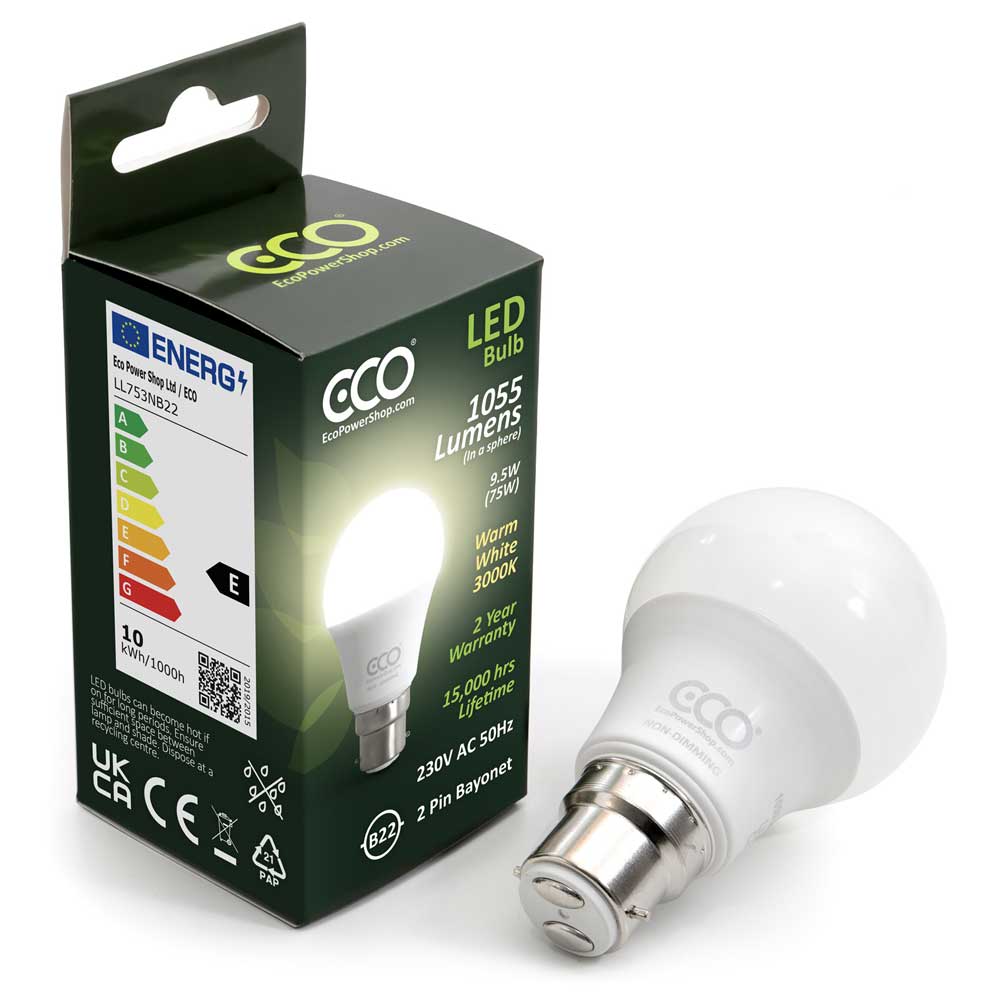
When buying LED bulbs, you should know about lumens (how bright it is), Kelvin (the color), and CRI (how colors look). Understanding these terms helps you pick the right bulb.
Decoding Brightness: The Lumens Scale
LED bulb brightness is measured in lumens. This is key for picking the right light for each space. Unlike old incandescent bulbs, lumens show how much light a bulb gives out.
What Are Lumens and How They Measure Brightness
Lumens tell us how much light a bulb gives. The more lumens, the brighter the bulb. For example, a 60-watt incandescent bulb is like an 800-lumen LED bulb.
Comparing Lumens to Traditional Wattage
Switching to LEDs is easier with wattage labels. But, remember, lumens show brightness better than wattage.
Recommended Brightness Levels for Different Spaces
Every room needs its own light level. Living rooms and kitchens need bright lights (800-1600 lumens). Bedrooms are better with softer lights (450-800 lumens).
Knowing about lumens helps you pick the right light. This makes your home both useful and cozy.
Understanding Color Temperature: The Kelvin Scale
Color temperature, measured in Kelvin, greatly affects your home’s feel. It’s key when picking LED bulbs. It changes the lighting and the room’s mood.
What Kelvin Ratings Mean
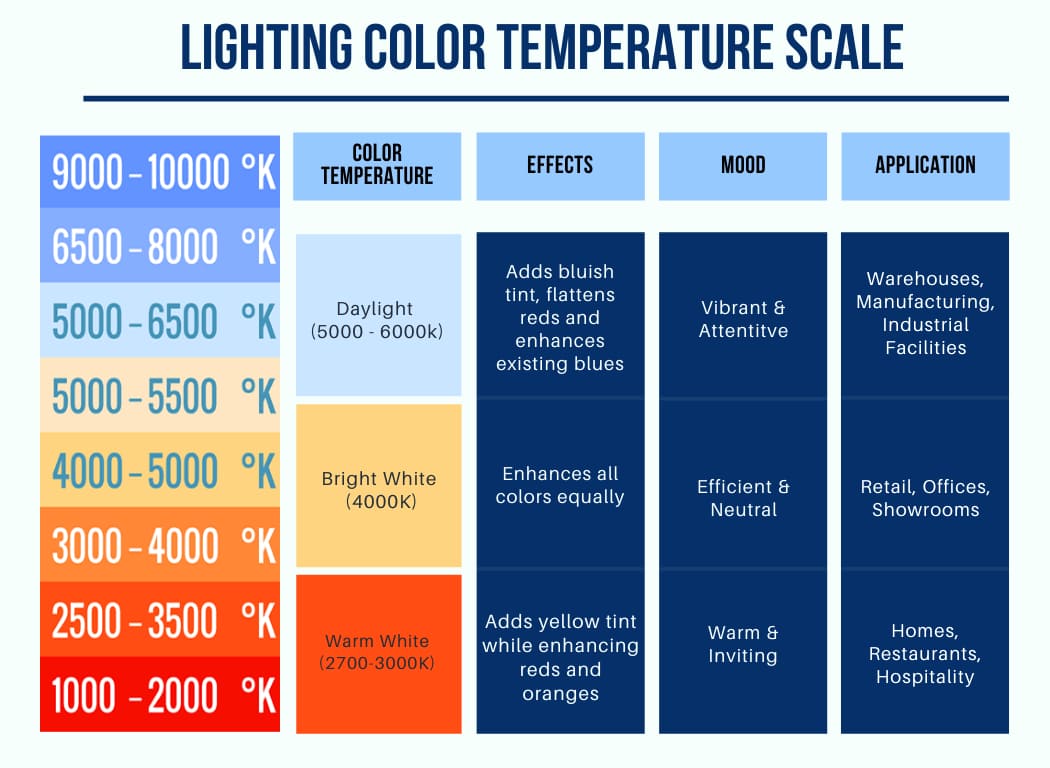
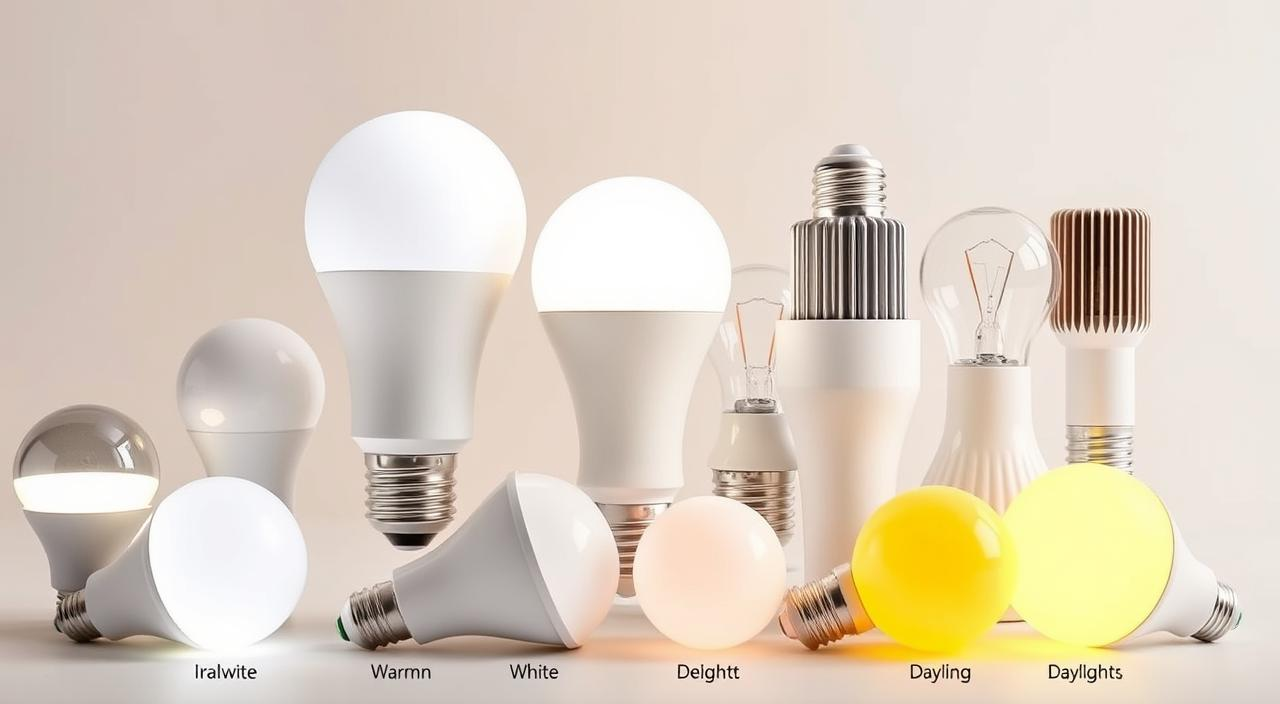
Kelvin ratings for LED bulbs range from low (warm, yellowish light) to high (cool, bluish light). They usually go from 2200K to 6500K. Lower Kelvin ratings (2200K-3000K) give a warm, cozy light, like old incandescent bulbs. Higher ratings (3500K-5000K) make a brighter, cooler light, great for work areas.
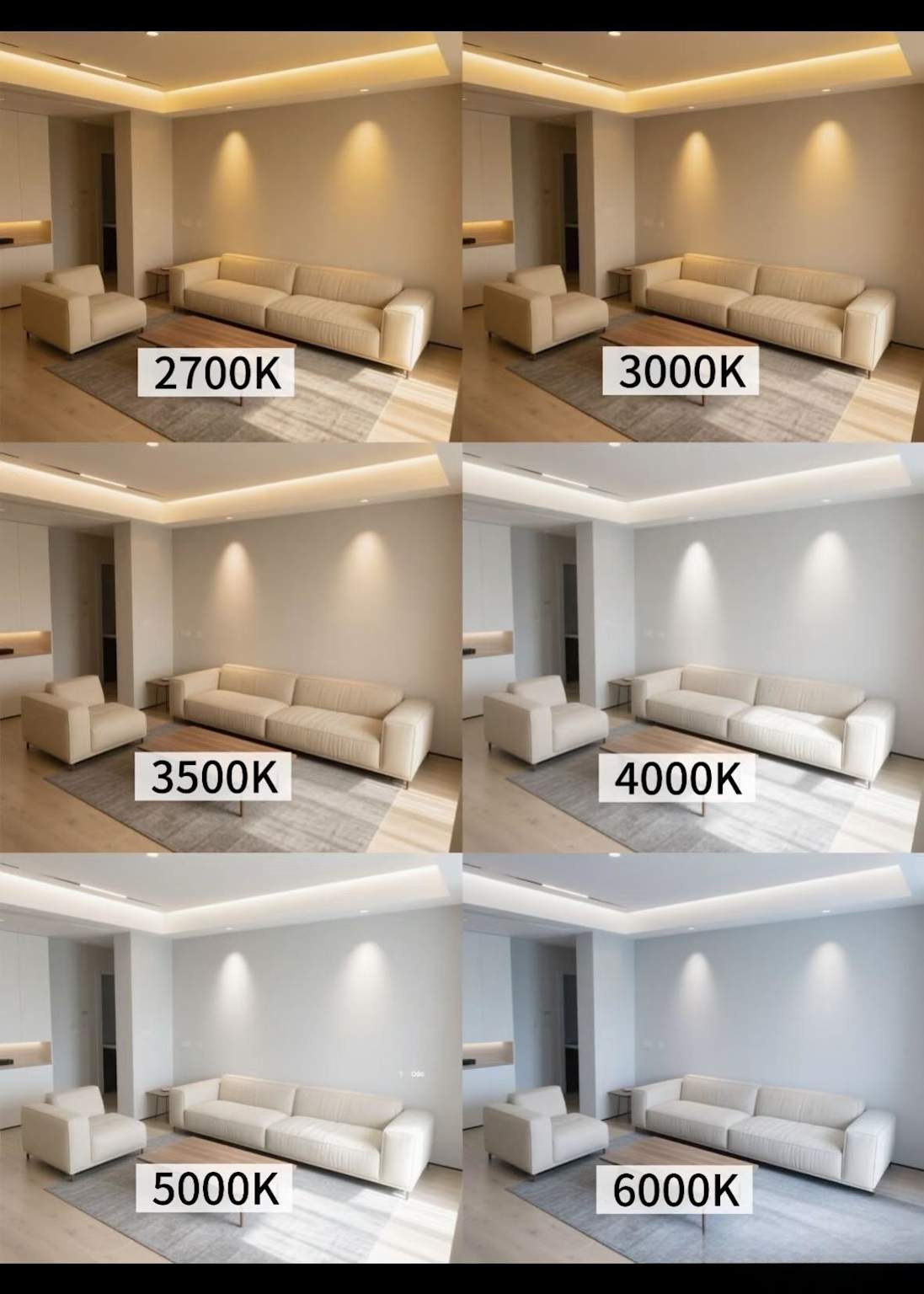
Warm vs. Cool Light: Visual Differences
Warm light makes a room feel cozy and relaxing. It’s perfect for living rooms and bedrooms. Cool light, on the other hand, is energizing. It’s best for kitchens and workspaces where you need to focus.
Choosing the Right Color Temperature for Each Room
Think about the room’s purpose when picking color temperature. For example, a warm white light (2700K-3000K) is good for living areas. It helps you relax. A cool white light (3500K-4100K) is better for kitchens and bathrooms. It makes the space brighter and more alert.
Best LED Bulbs for Home Living Spaces
Choosing the best LED bulbs for your home’s living areas is key. You need to think about brightness and color temperature. The right mix can make your living room feel better and work better.
Soft White Bulbs (2700K-3000K) for Living Rooms
Soft white bulbs, from 2700K to 3000K, are perfect for living rooms. They give off a warm, yellowish light. This light makes your room feel cozy and inviting.
Benefits of Soft White Bulbs:
- Create a cozy atmosphere
- Ideal for evening and nighttime use
- Complement traditional home decor
Medium Brightness Options (800-1100 Lumens)
For living rooms, a medium brightness is best. This is between 800 to 1100 lumens. It’s enough light for daily tasks without being too bright.
When choosing the right lumen output, consider the size of your living room and the type of activities you engage in there.
Philips, GE, and Cree Living Room Recommendations
Brands like Philips, GE, and Cree have great LED bulbs for living rooms. Here are some top picks:
| Brand | Model | Lumens | Color Temperature | Dimmable |
|---|---|---|---|---|
| Philips | Philips LED Soft White | 900 | 2700K | Yes |
| GE | GE Reveal LED | 850 | 2800K | No |
| Cree | Cree Soft White LED | 1000 | 2700K | Yes |
Dimmable Options for Flexible Lighting
Dimmable LED bulbs let you change the light level as you want. This makes your living room experience better.
Benefits of Dimmable Bulbs:
- Adjust lighting to suit different activities
- Energy savings by reducing brightness when possible
- Extended bulb life due to reduced wear
Optimal LED Bulbs for Kitchens and Work Areas
Bright white LED bulbs are perfect for kitchens and work areas. These places need bright, clear light for tasks like cooking and food prep.
Bright White Bulbs (3500K-4100K) for Task Lighting
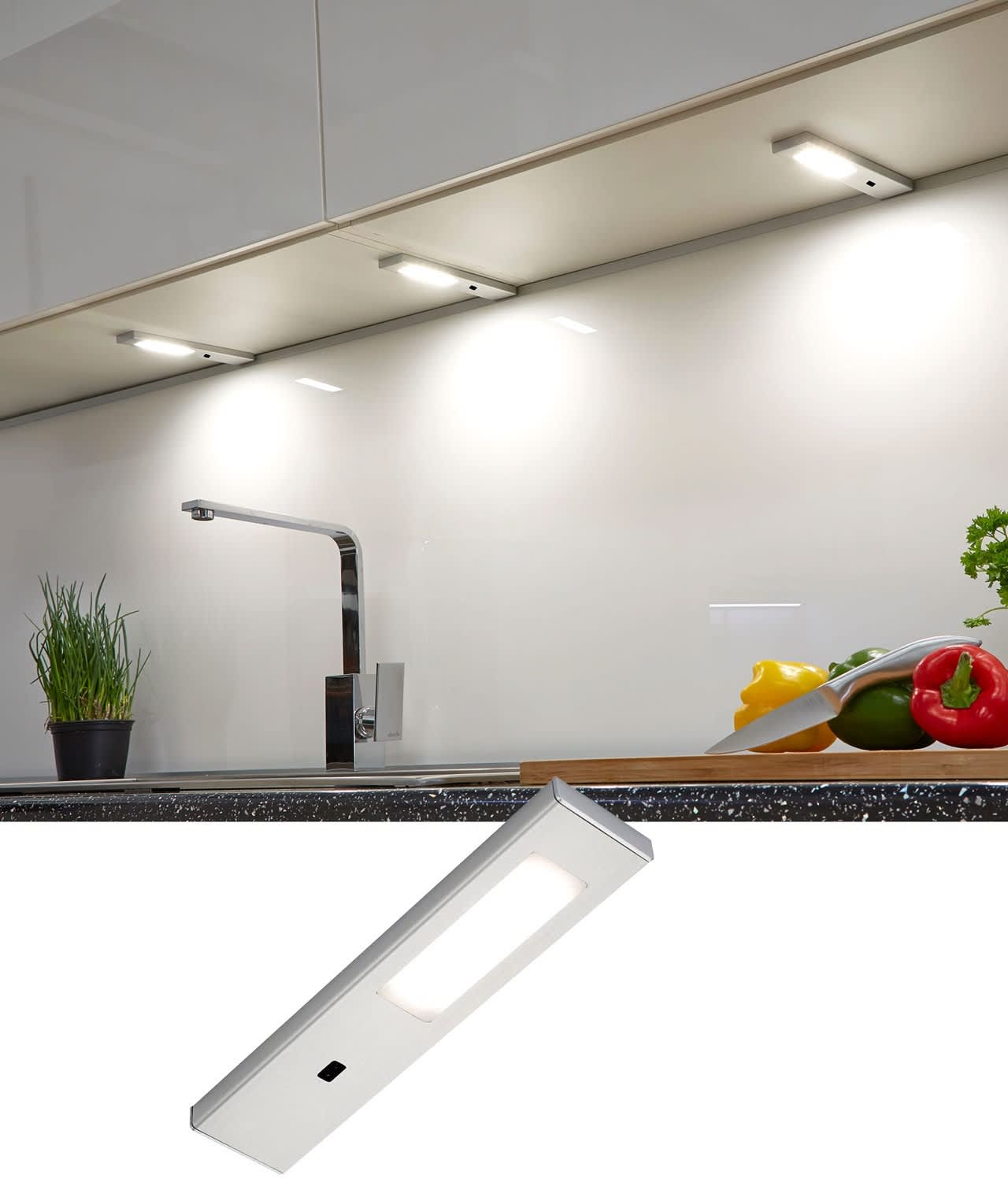
In kitchens and work areas, bright white bulbs are best. They have a color temperature between 3500K and 4100K. This light is neutral to cool, making things clearer and easier on the eyes.
High Brightness Options (1100-1600 Lumens)
Kitchens and workspaces need high lumen outputs. Bulbs with 1100 to 1600 lumens work well. They give enough light for detailed tasks.
Top Performing Kitchen LED Bulbs
Top LED bulbs for kitchens come from brands like Philips, GE, and Cree. These bulbs are known for their high CRI, energy saving, and lasting long.
High CRI Options for Food Preparation Areas
In food prep areas, high CRI LED bulbs are key. A CRI of 90 or higher shows food colors accurately. This makes meal prep easier.
| Brand | Lumens | CRI | Color Temperature |
|---|---|---|---|
| Philips | 1300 | 92 | 4000K |
| GE | 1200 | 90 | 3500K |
| Cree | 1500 | 93 | 4100K |
Choosing the right LED bulbs improves your kitchen and work area’s function and feel.
LED Bulbs for Bedrooms and Relaxation Areas

The bedroom is a special place. The lighting you pick can make it better or worse for relaxing and sleeping. It’s key to pick LED bulbs that help you relax and feel comfortable.
Warm Light Options for Evening Comfort
Warm light bulbs, in the 2200K-2700K range, are great for bedrooms. They give a cozy and calming feel. This soft, warm light helps calm your mind and body, making it easier to sleep.
Lower Brightness Choices
For bedrooms, use LED bulbs with lower brightness, around 450-800 lumens. This light is enough to see the room without being too bright. It helps you relax and get ready for sleep.
Sleep-Friendly LED Bulb Recommendations
When picking LED bulbs for your bedroom, look for sleep-friendly ones. Some bulbs are made to not mess with your sleep cycle.
Blue Light Filtering Options
Blue light filtering is important in sleep-friendly LED bulbs. Blue light from devices and some bulbs can stop melatonin production. This makes it hard to sleep. Bulbs with blue light filtering help keep your sleep better.
Choosing the right LED bulbs for your bedroom makes it a sleep-friendly space. It helps you relax and sleep better.
Energy-Efficient LED Options for Budget-Conscious Homes
LED bulbs are a smart pick for those who want to save money. They help cut down on energy costs. Knowing which LED bulbs save the most money helps you choose wisely.
Most Energy-Efficient LED Bulbs on the Market
High lumens per watt ratings mean bulbs are very efficient. For example, bulbs rated 100 lumens per watt or more are top-notch. Philips and Cree have many energy-saving options.
- Look for bulbs with the ENERGY STAR label. It shows they meet U.S. energy standards.
- Choose bulbs that last a long time (up to 25,000 hours or more). This saves money on replacements.
Cost-Saving Features to Look For
When buying LED bulbs, look for extra savings. Some bulbs work with smart home systems. This lets you control your lights and save energy.
Calculating Your Return on Investment
To figure out your ROI, add up the savings and lifespan of the bulbs. The formula is: (Energy Savings x Lifespan) – Initial Cost. Energy-efficient bulbs save you money over time.
For example, swapping 10 old bulbs for LEDs that cost $2 each can save $10 a year. This means big savings over their long life.
Smart LED Bulbs for Connected Homes
Smart LED bulbs have changed home lighting. They make it more efficient and personal. These bulbs are key in making a connected home.
Philips Hue, LIFX, and Wyze Smart Bulb Comparison
Philips Hue, LIFX, and Wyze are top smart LED bulb brands. Here’s how they compare:
| Brand | Features | Price Range |
|---|---|---|
| Philips Hue | Wide color range, seamless integration with smart home systems | $15-$30 per bulb |
| LIFX | Color changing, high brightness, no hub required for some models | $20-$50 per bulb |
| Wyze | Affordable, easy to set up, compatible with various smart home devices | $10-$20 per bulb |
App-Controlled Brightness and Temperature
Smart LED bulbs let you control brightness and color temperature with an app. This lets you change lighting for different moods or tasks easily.
Key benefits include: scheduling lighting changes, adjusting brightness, and changing color temperature remotely.
Voice Assistant and Smart Home Integration
Smart LED bulbs work with voice assistants like Alexa and Google Assistant. This makes controlling your lighting easier.
Setting Up Lighting Scenes and Routines
Setting up lighting scenes and routines is useful with smart LED bulbs. For example, you can make a “goodnight” scene that dims lights and changes color to warm tones for bedtime.
Tips for setting up effective scenes: Think about the activity or mood you want. Adjust the lighting to match.
Color Rendering Index: Why CRI Matters in LED Selection
Choosing LED bulbs means knowing about the Color Rendering Index (CRI). It’s key for colors to look natural and bright. CRI shows how well a light source shows colors like natural light does.
Understanding CRI Ratings
CRI scores range from 0 to 100. Higher scores mean better color showing. A score of 80 or more is good. But, for places needing exact color, like art studios, aim for 90 or higher.
High CRI Bulbs for Accurate Color Representation
High CRI bulbs show colors more accurately. They’re great for places needing color precision. This includes art galleries, shops, and kitchens where colors matter a lot.
Best Applications for High CRI Lighting
High CRI lighting is good for many places. It’s great in kitchens, art studios, and shops. It makes colors look better, improving looks and use in these areas.
Specialty and Decorative LED Lighting Options
Decorative LED bulbs open up a world of creativity. They can change any space, adding both style and ambiance. If you want to improve your home’s look or try something new, these bulbs are great.
Candelabra and Decorative Bulbs
Candelabra bulbs are loved for chandeliers and sconces, bringing elegance. LED versions have the same beauty but use less energy. You can find them in many shapes, sizes, and colors to fit your space.
Outdoor-Rated LED Lighting
Outdoor-rated LED bulbs are made for the outdoors. They’re waterproof and perfect for porches, patios, and walkways. You can choose from different brightness and colors to set the mood outside.
Vintage-Style LED Filament Bulbs
Vintage-style LED filament bulbs mix old charm with new efficiency. They have visible filaments and come in shapes like globes and candles. They’re great for adding a nostalgic feel to your home.
Unique Fixture Compatibility
When picking decorative LED bulbs, check if they fit your fixtures. Make sure the bulb matches your fixture’s base type and size. Some bulbs are made for specific fixtures, so follow the manufacturer’s advice for the best look.
Installation and Compatibility Considerations
Switching to LED lighting? Knowing the key installation and compatibility points is key. It helps you make smart choices.
Base Types and Fixture Compatibility
LED bulbs have different base types, like E26, E12, and GU10. It’s important to match the base type of your LED bulb with your fixture. This ensures a proper fit.
- E26: Standard medium base
- E12: Candelabra base
- GU10: Twist-lock base
Dimmer Switch Compatibility Issues
Not all LED bulbs work with dimmer switches. Look for bulbs marked as “dimmable”. Also, make sure your dimmer switch is LED-friendly.
Retrofitting Older Fixtures for LED Use
When updating older fixtures for LEDs, check if they’re compatible. Some might need changes or a full replacement to work well with LEDs.
Conclusion: Selecting the Perfect LED Bulbs for Your Home
Choosing the right LED bulbs for your home is important. You’ve learned about brightness, or lumens, and color temperature, or Kelvin. These help set the mood in each room.
Think about what each room needs. Kitchens need bright lights for tasks, while living rooms need warm, cozy ones. Also, consider energy efficiency, smart features, and if they fit your current fixtures.
Brands like Philips, GE, and Cree have many options. By looking at these factors, you can pick the best LED bulbs. This will make your home’s lighting better and more welcoming.
FAQ
Q: What are the benefits of using LED bulbs over traditional lighting options?
A: LED bulbs use less energy and last longer. They also help the environment. Plus, they can be dimmed and come in different colors.
Q: How do I choose the right brightness level for my LED bulbs?
A: The brightness needed depends on the room’s use and size. Living rooms and bedrooms need softer light (800-1100 lumens). Kitchens and work areas need brighter light (1100-1600 lumens).
Q: What is the difference between warm white and cool white LED bulbs?
A: Warm white bulbs (2700K-3000K) give a cozy, yellowish light. Cool white bulbs (3500K-4100K) are brighter and bluer. Warm white is good for living rooms and bedrooms. Cool white is better for kitchens.
Q: Can I use LED bulbs with a dimmer switch?
A: Yes, but check if the bulb is dimmer-compatible. Not all LED bulbs work with dimmer switches. Always check the packaging or manufacturer’s specs before buying.
Q: What is CRI, and why is it important?
A: CRI (Color Rendering Index) shows how well an LED bulb shows colors. A high CRI (90+) is key for tasks like food prep or reading.
Q: Are smart LED bulbs worth the investment?
A: Smart LED bulbs are convenient and save energy. They can be controlled through apps, voice assistants, or smart home systems. They’re great for those who like flexibility and automation.
Q: How do I know which base type my fixture requires?
A: Check your fixture’s documentation or look at the socket to find the base type (e.g., E26, GU10). Make sure the LED bulb you choose fits the base type.
Q: Can I use outdoor-rated LED bulbs indoors?
A: Yes, you can use outdoor-rated LED bulbs indoors. They might cost more than standard bulbs. They’re made for harsh weather, so they’re good for humid or very hot areas.
Q: How long do LED bulbs typically last?
A: LED bulbs can last up to 25,000 hours or more. This means they can last about 15-20 years if used 4-6 hours a day.
Q: Are energy-efficient LED bulbs really cost-effective?
A: Yes, energy-efficient LED bulbs can save you money on energy bills. They might cost more at first, but they pay off over time with energy savings.