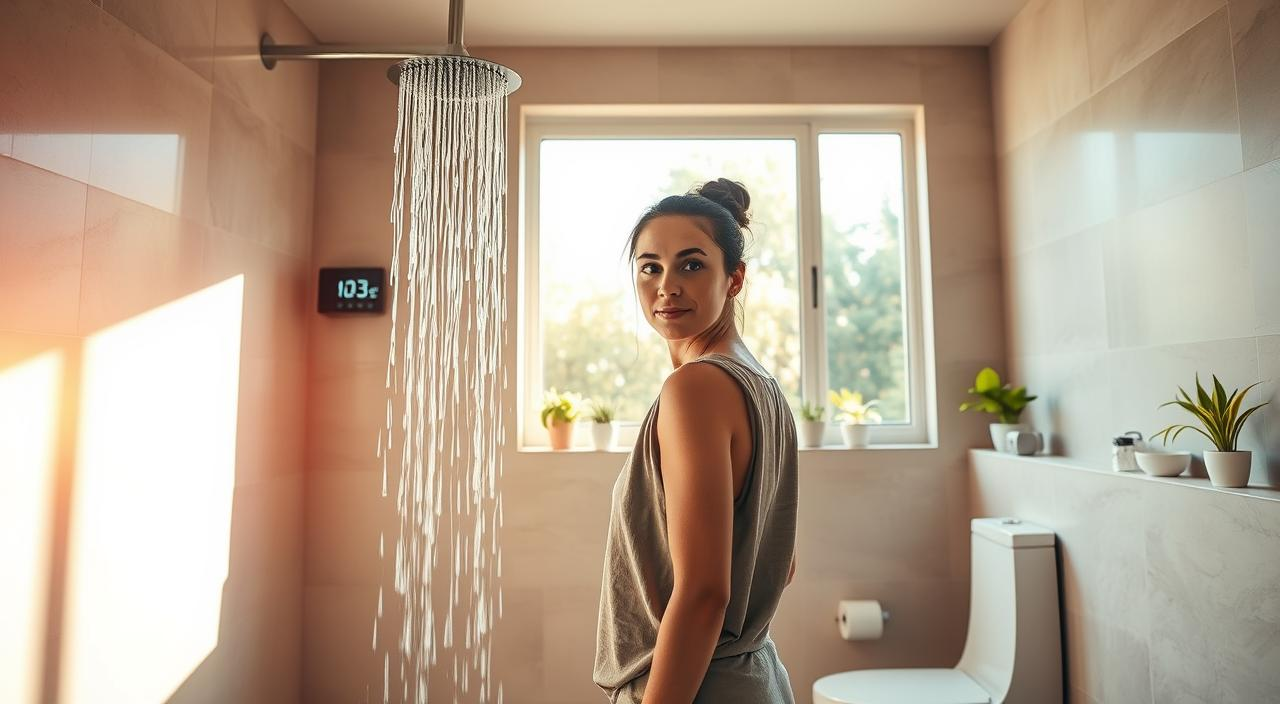
Most of us absolutely do not want to think about our utility bills at 7:00 a.m. We are just trying to wake up and start the day. But the aggressive financial numbers behind that daily morning ritual are mathematically hard to ignore: actively heating water accounts for roughly 12% to 18% of a typical home’s total energy use, making it the second-largest energy expense in the average American household.
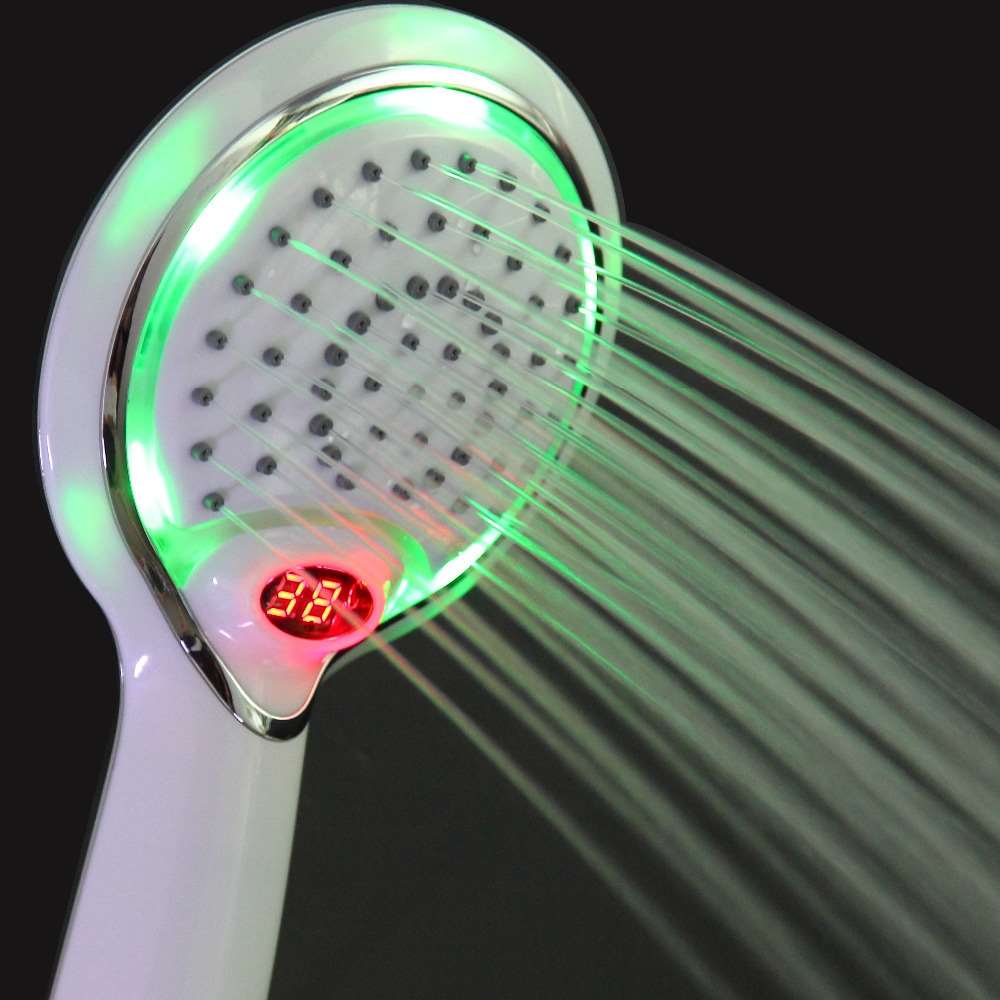
The standard American shower lasts about 8 minutes and uses roughly 17 to 20 gallons of freshly heated water. If you currently live in a multi-person household, those daily showers are easily consuming hundreds of gallons of expensive hot water every single week.
The incredibly good news? You do not have to suffer through freezing, miserable, two-minute “Navy showers” to make a massive financial and environmental difference. With a few smart, affordable fixture upgrades and slight behavioral tweaks to your routine, you can keep your showers feeling luxurious while dramatically slashing your water and heating bills.
1. The Hardware: Upgrading Your Showerhead
Before you aggressively attempt to change how you shower, you need to change what you are actually showering under. Older, outdated showerheads pump out a massive 2.5 to 3.0 gallons of water per minute (GPM). If you take a 10-minute shower with one of these dinosaurs, you are dumping 30 gallons of freshly heated water straight down the drain.
The WaterSense Solution
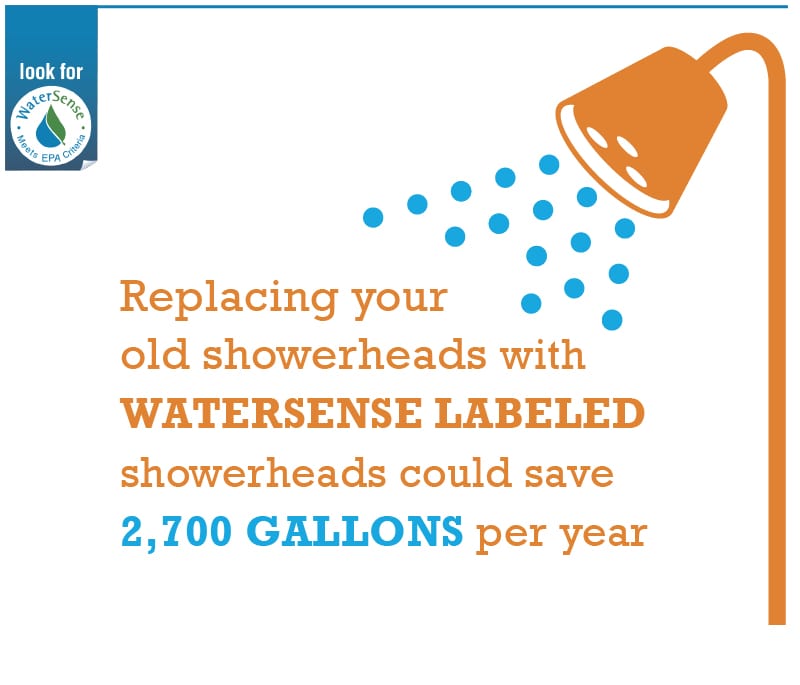
Look strictly for a modern showerhead bearing the official EPA WaterSense label. These highly efficient fixtures legally use 2.0 GPM or less. Brilliant modern engineering (specifically internal air-injection technology) ensures these low-flow heads still provide a powerful, deeply satisfying spray, but they mathematically use at least 20% less water than standard builder-grade models.
2. The Source: Adjusting Your Water Heater
Even the absolute most water-efficient luxury showerhead in the world cannot financially fix a wildly inefficient water heater. Most residential appliance manufacturers set water heaters to a scalding 140°F (60°C) by default straight from the factory. This extreme heat is entirely unnecessary and actually poses a severe scalding risk to children and the elderly.
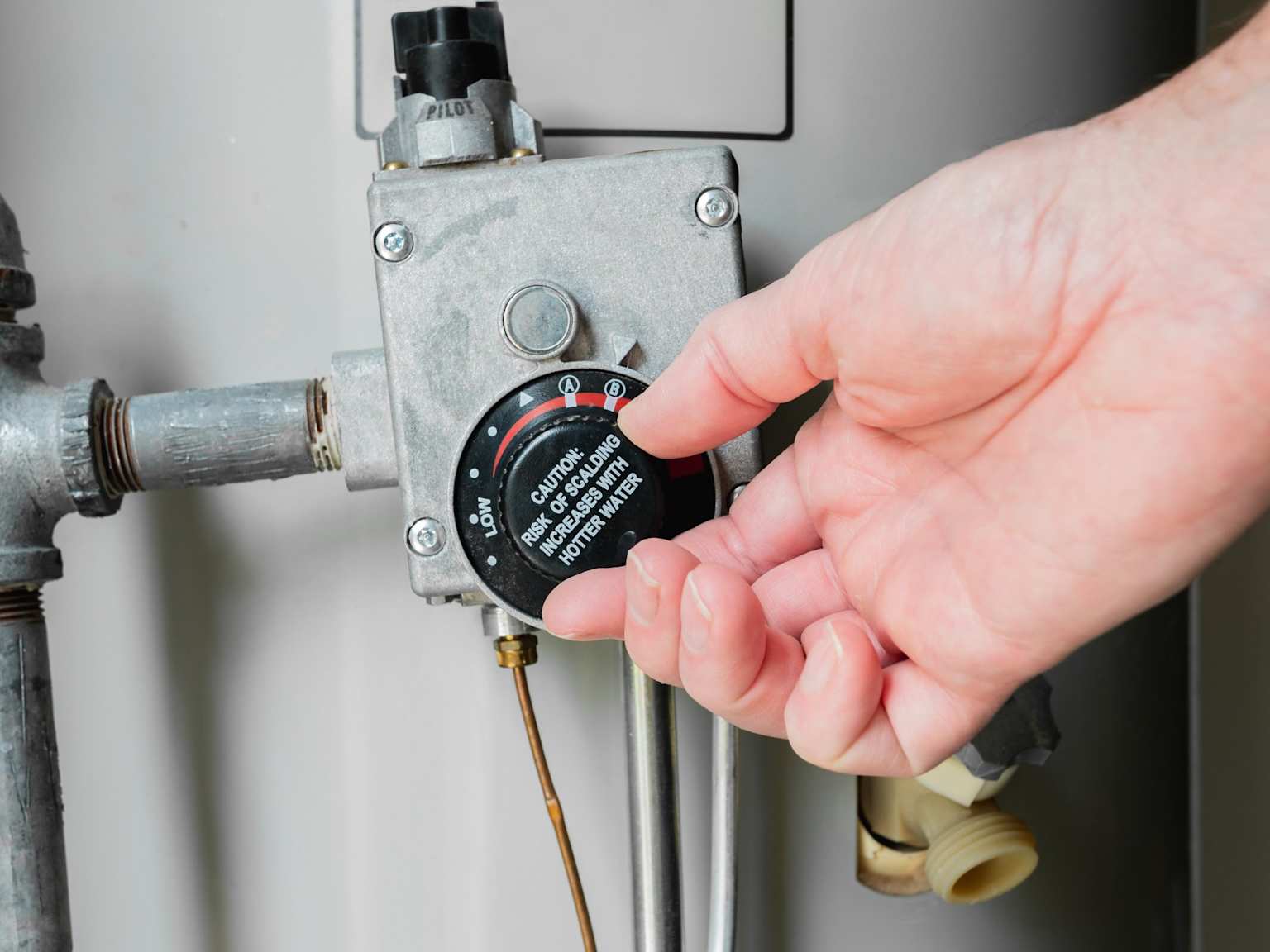
According to the U.S. Department of Energy, permanently dropping your water heater’s thermostat dial down to exactly 120°F (49°C) will automatically save you up to 10% on your annual water heating costs. This exact temperature is still plenty hot for a deeply relaxing, luxurious shower, but it permanently stops your heavy metal tank from constantly burning expensive gas or electricity to maintain violent, near-boiling temperatures while you are at work or fast asleep.
3. The Routine: Master the “Stop-Start” Technique
Medical dermatologists actually agree aggressively with environmentalists on this highly specific issue: long, scalding hot showers actively strip your sensitive skin of its essential natural oils, leading directly to severe dryness, flaking, and chronic irritation. The scientifically ideal shower for your skin health (and your wallet) is pleasantly warm, not burning hot, and lasts exactly 5 to 7 minutes.
- • The “Stop-Start” Lather:
-
- You do not need to do a full, freezing military-style Navy shower, but you should adopt the highly efficient core concept. Turn the warm water on to get fully wet. Then, actively turn the water flow
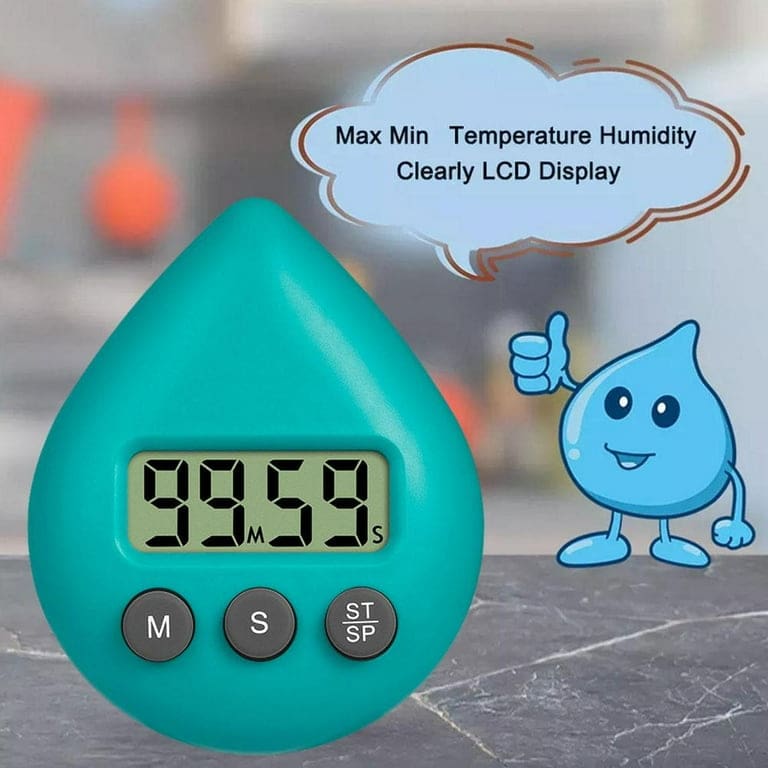
off (or divert it using a cheap inline shut-off valve) while you spend two full minutes thoroughly lathering your hair with shampoo and scrubbing with soap. Finally, turn it back on to rinse clean. This one habit instantly cuts your water usage in half.
Frequently Asked Questions
How much water does a 10-minute shower actually use?
It depends entirely on your specific plumbing hardware. If you have an older, standard builder-grade showerhead (2.5 GPM), a 10-minute shower wastes exactly 25 gallons of water. If you actively upgrade to a modern WaterSense low-flow showerhead (1.5 to 2.0 GPM), that exact same 10-minute shower uses just 15 to 20 gallons.
Is it better to take a bath or a shower to save water?
A shower is almost always mathematically better. A standard residential bathtub requires roughly 35 to 50 gallons of hot water to fill completely. A highly efficient 5-minute shower with a low-flow showerhead uses only 10 gallons. Unless you are taking 25-minute showers, the shower aggressively wins every single time.
Will a modern low-flow showerhead completely ruin my water pressure?
No. Early low-flow plastic models from the 1990s were famously terrible, but modern fluid engineering has completely solved this issue. Today’s high-end WaterSense models use internal air-injection chambers and highly specialized, laser-cut nozzles to violently accelerate the water droplets, making 1.5 gallons per minute feel just as forceful and heavy as older, massively wasteful models.