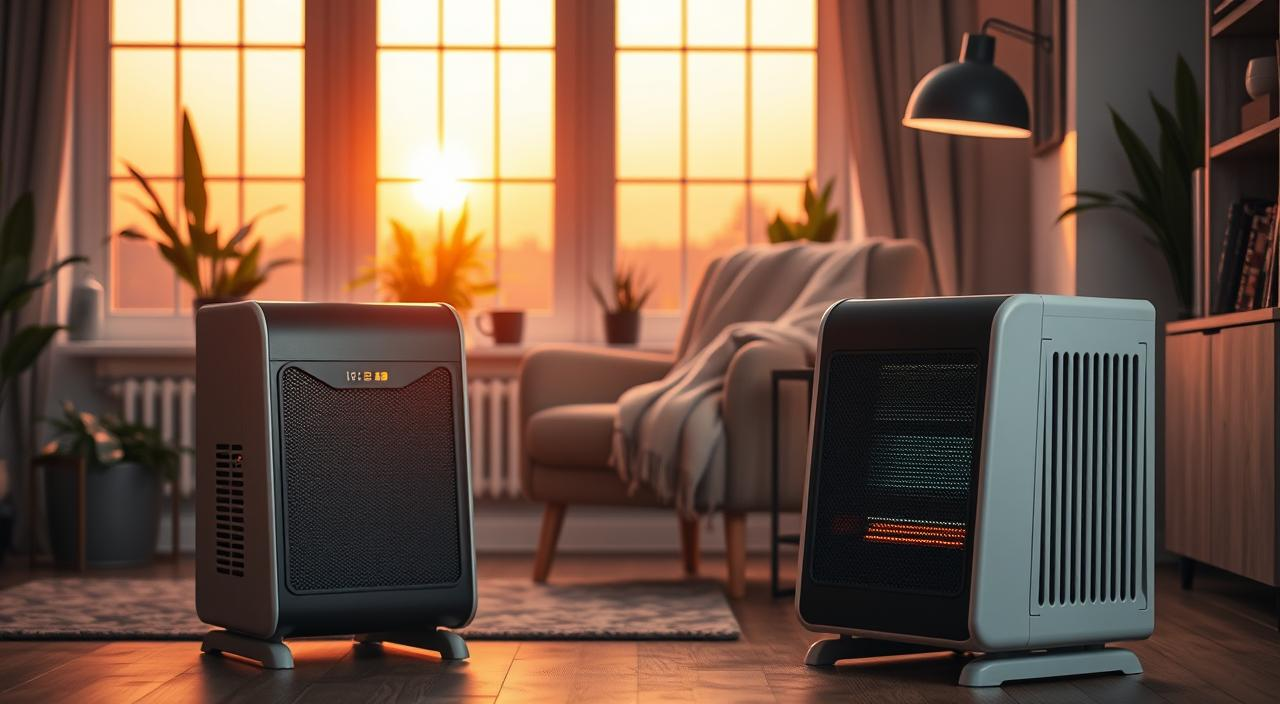
Every winter, local hardware stores are absolutely flooded with aggressive marketing claims about new “miracle” space heaters that will supposedly slash your home energy bill in half. They loudly promise revolutionary heating elements and advanced thermodynamic designs that produce maximum heat for minimum cost.
The truth is much simpler, and a lot less magical. When it comes to the strict laws of physics regarding electric space heaters, there is no such thing as one model being vastly more “energy efficient” than another. However, exactly how and when you use a space heater will absolutely dictate whether it saves you money or causes your winter electricity bill to completely skyrocket.
Before you purchase an expensive portable heater, you need to understand the basic, underlying math behind localized supplemental heating versus central residential HVAC systems.
1. The 100% Efficiency Myth
Here is the single most important scientific fact to understand about electric space heaters: they are all exactly 100% energy efficient. Due to the first law of thermodynamics, all the electrical energy that enters the heater is converted directly into heat energy.
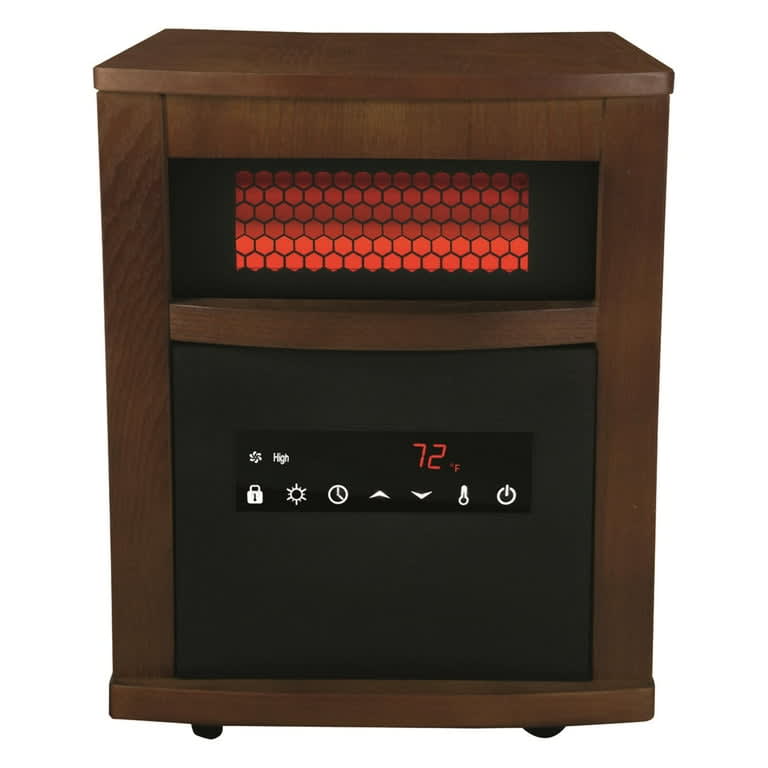
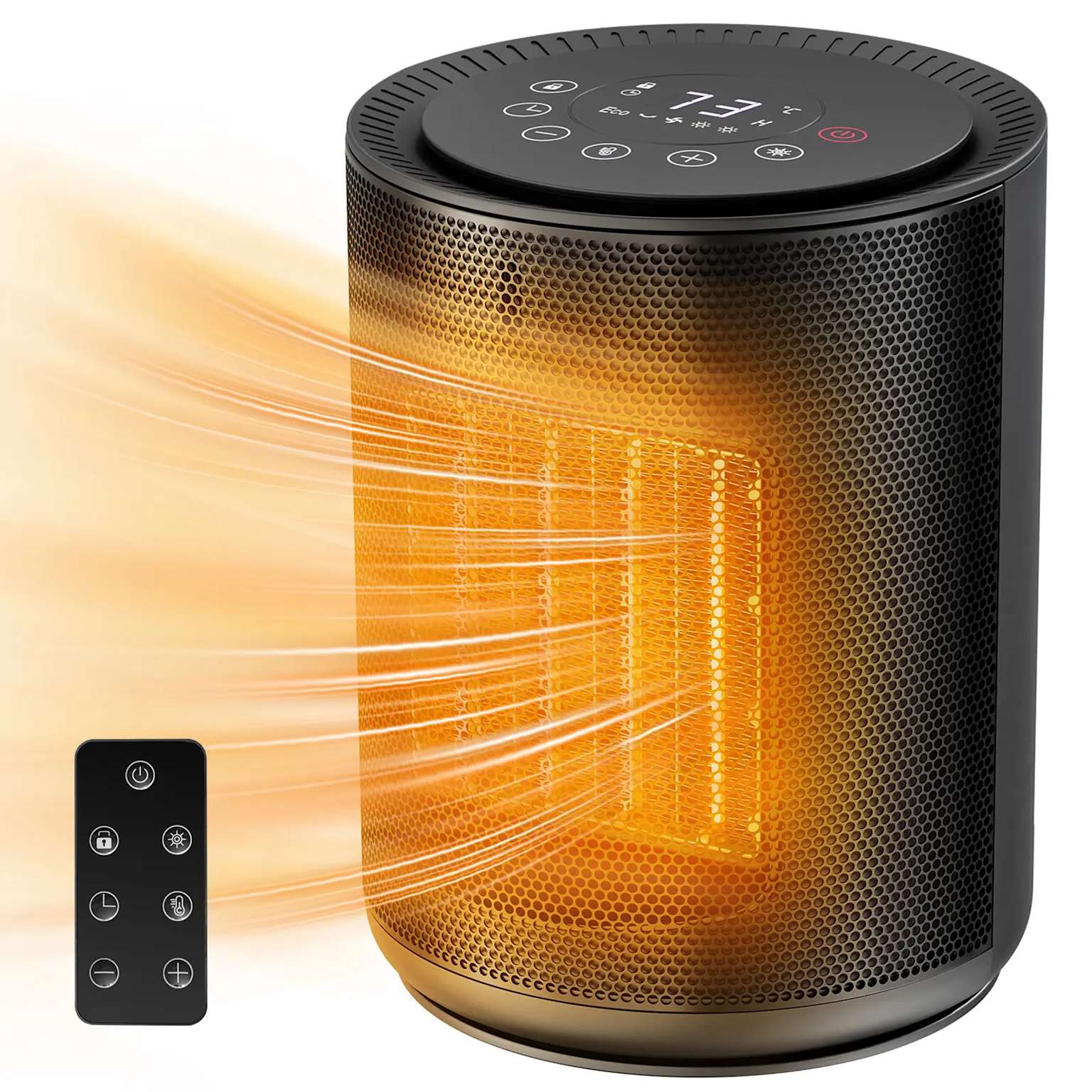
Whether you buy a $20 basic ceramic fan heater, a heavy $100 oil-filled radiator, or a luxurious $300 infrared quartz heater wrapped in a wooden cabinet, they all use standard electric resistive heating. This means they take electrical energy and convert it entirely into heat, with zero waste. A standard 1,500-watt ceramic heater produces the exact same amount of total heat output (about 5,118 BTUs) as a 1,500-watt oil-filled radiator.
If they produce the same heat, why are some so expensive?
You are paying a premium for how the heat is delivered to the room, not the actual amount of heat. Infrared heaters warm physical objects directly (great for drafty rooms), fan heaters blow warm air quickly (great for instant relief), and oil radiators retain heat to slowly warm an enclosed room without fan noise. But watt for watt, the energy usage and cost on your bill is identical.
2. The Math: Space Heater vs. Central Heat
A massive misconception is that space heaters are universally cheaper to run than central heating. This is entirely false if you are attempting to heat your whole house. Central gas furnaces and modern electric heat pumps are significantly more cost-effective per square foot than portable electric resistive heaters.
According to energy monitoring data, a typical 1,500-watt space heater costs roughly $0.20 to $0.25 per hour to run. If you run it for 8 hours a day, that is up to $2.00 per day, or about $60 per month for a single room. By comparison, heating a whole 2,000 sq. ft. home with a gas furnace averages $80 to $100 per month. If you plug in three space heaters to warm your house, you will easily double or triple your monthly heating bill.
| Heating Method | Best Used For | Est. Monthly Cost |
|---|---|---|
| Gas Furnace (Central) | Whole-home heating (2,000 sq ft) | $80 – $100 |
| Single Space Heater (8 hrs/day) | Zone heating a single 150 sq ft room | $50 – $60 |
| Three Space Heaters (8 hrs/day) | Attempting to heat multiple rooms | $150+ (Not Recommended) |
3. When Do Space Heaters Actually Save Money?
Space heaters only save you money if you strictly practice Zone Heating. This means you must aggressively lower the temperature of your central HVAC system for the entire house, and use the space heater to warm only the specific room you are currently occupying.
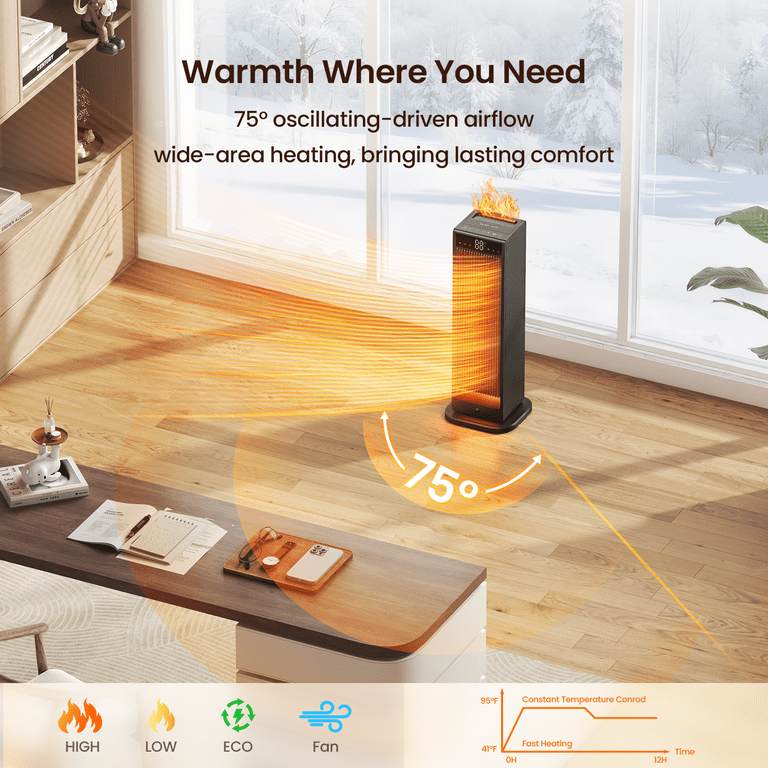
For example: If you work from home in a small home office during the day, do not heat the whole empty house to 70°F (21°C). Drop the central whole-house thermostat to 62°F (16°C), close the office door tightly, and run a small space heater under your desk. You are massively cutting the energy load of the entire house while keeping your immediate 100-square-foot zone perfectly comfortable.
4. How to Maximize Space Heater Efficiency
To ensure your portable heater is not secretly burning through your wallet, follow these strict operational best practices from energy conservation experts:
✓ Buy a model with a digital thermostat:
-
- Cheap, analog heaters only have “High” and “Low” settings and will run endlessly. A digital thermostat will automatically shut the unit off completely once the room reaches your exact desired temperature, saving massive amounts of electricity.
✓ Close the door:
A standard 1,500-watt heater is engineered to heat roughly 150 square feet. If you leave the door open to the hallway, the heat will constantly escape, and the unit will run non-stop trying to heat an impossible amount of square footage.
✓ Match the heater type to the room: Use heavy, silent oil-filled radiators for bedrooms (they retain heat beautifully without drying the air), and use direct infrared heaters for drafty garages or cold basements (they heat your body directly rather than the cold air).
Frequently Asked Questions
Will a space heater trip my circuit breaker?
Very likely, if you are not extremely careful. A 1,500-watt space heater pulls a massive 12.5 amps of continuous electricity. Most standard household bedroom circuits are rated for a maximum of 15 amps total. If you plug a space heater into the exact same circuit as a television, a gaming console, or a hair dryer, it will instantly trip the breaker.
Can I plug a space heater into an extension cord or power strip?
Absolutely not. Fire safety officials explicitly warn against this. Space heaters draw a massive, continuous electrical load. Standard plastic power strips and cheap extension cords cannot handle the high current, will rapidly overheat, melt, and easily start a catastrophic house fire. Always plug a space heater directly into a main wall outlet.
Are 1,500-watt heaters the only option available?
No. If you just want to keep your feet warm under a home office desk, look for a “personal space heater” or “low-wattage heater” rated for 400 to 750 watts. They provide plenty of direct, localized warmth without the massive energy drain of a full-size unit.