“Energy efficiency is a patriotic act,” said U.S. Energy Secretary Jennifer Granholm. For a lot of households right now, it also feels like an act of survival.
When heating can swallow a huge chunk of your winter bill, it’s easy to feel trapped between being cold and going broke. Millions of families are already struggling to keep up with their utility payments, and turning the thermostat up “just a bit” suddenly feels like a luxury, not a habit.
The good news? You don’t need a brand-new furnace or fancy smart windows to make a real difference. Small, boring-looking habits — nudging your thermostat a few degrees, closing curtains at the right time, sealing drafts with cheap materials, layering up indoors — can quietly shave 10% or more off your heating costs over a season.Kiplinger+1
The U.S. Department of Energy notes that setting your thermostat lower by 7–10°F for about eight hours a day can save up to 10% a year on heating.Kiplinger Meanwhile, simple draught-proofing around windows and doors can cut air leakage from those areas by up to a third, meaning your boiler or furnace doesn’t have to work as hard to keep you comfortable.Historic England
In this guide, we’ll walk through practical, low- or no-cost ways to stay warm: using your thermostat strategically, harnessing free heat from the sun, zoning the warmth into the rooms you actually use, dressing smarter indoors, and keeping your system running efficiently. Think of it as a winter toolkit: small actions, repeated every day, that keep you cosy, trim your bill, and quietly shrink your home’s carbon footprint at the same time.
The Hidden Cost of Home Heating

It’s important to know the real cost of heating your home. This helps you manage your energy bills better. The cost of heating varies a lot depending on where you live in the United States.
Average Heating Expenses Across US Climate Zones
The cost to heat your home changes a lot in different places. In colder areas, people spend more on heating. This is because they need more warmth during winter.
| Climate Zone | Average Annual Heating Expense |
|---|---|
| Cold | $1,200 – $2,000 |
| Moderate | $800 – $1,200 |
| Warm | $400 – $800 |
The Cumulative Impact of Daily Heating Habits
Your daily habits can really affect your energy bill. Simple steps, like adjusting your thermostat or using window coverings, can help a lot.
How Small Changes Add Up to Significant Savings
The Department of Energy says lowering your thermostat by 7 to 10 degrees for 8 hours can save up to 10% on your energy bill. Making small changes can lead to big savings over time.
Being aware of your heating habits and making a few simple changes can make your home warmer. This also helps lower your heating bills. It’s good for your wallet and helps you live more energy-efficiently.
Understanding Your Home’s Heat Loss Patterns

Knowing how your home loses heat is vital for saving energy. By spotting where heat goes out, you can fix it. This makes your home warmer and more energy-efficient.
Identifying Common Heat Escape Routes
Heat can leave your home in many ways. It’s important to find these spots to keep your home warm.
Windows and Doors
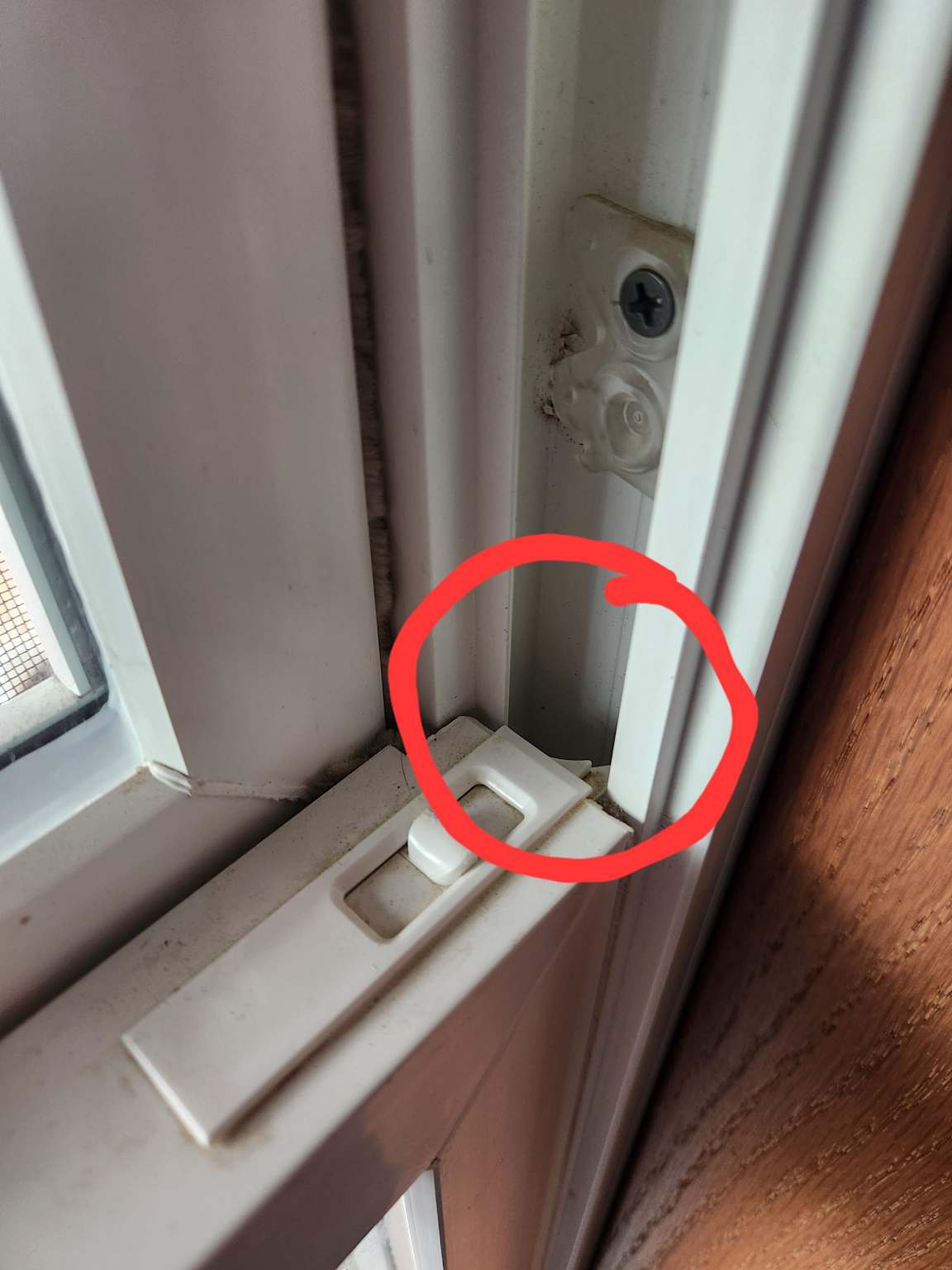
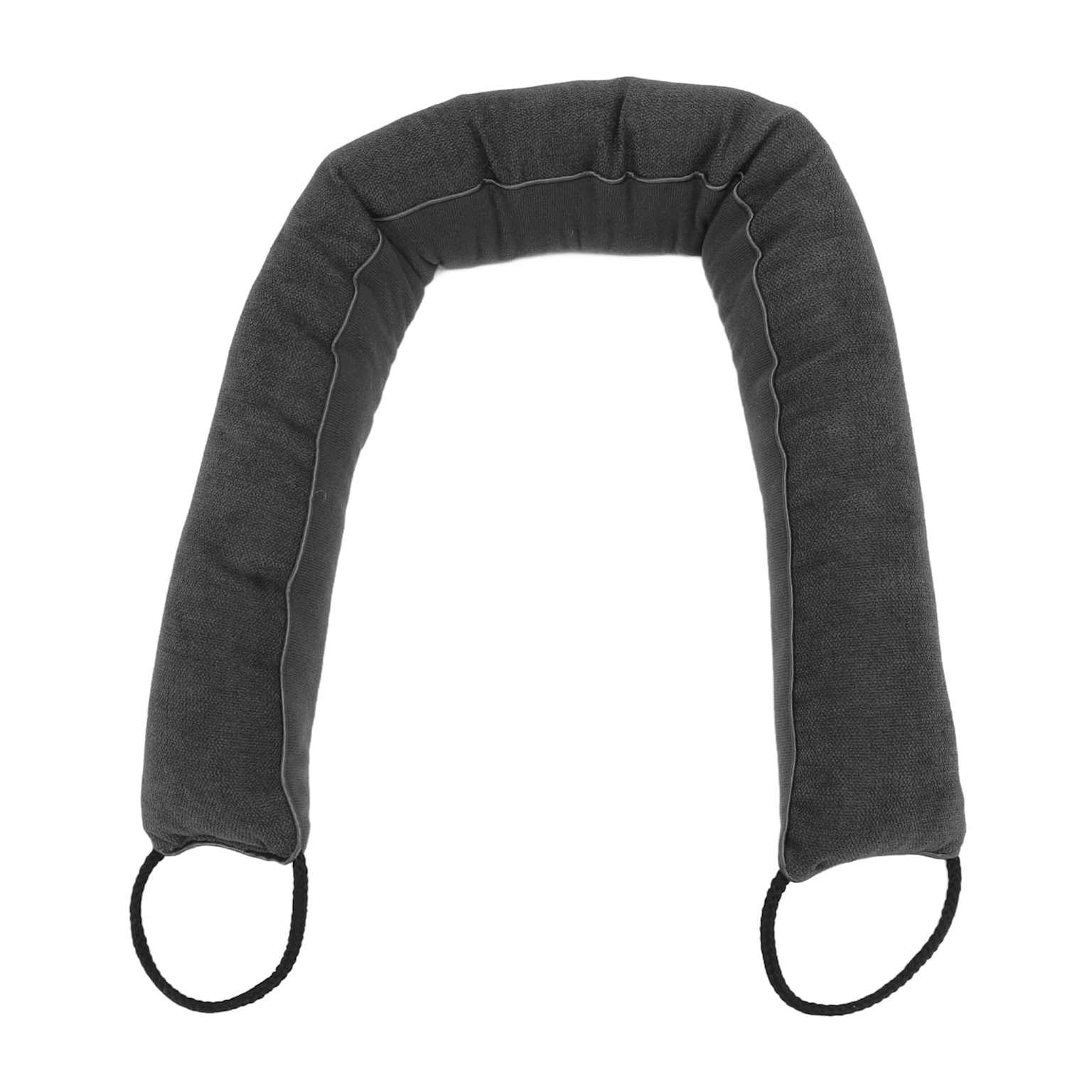
Windows and doors let heat out easily. Look for drafts and use stoppers or weatherstripping to block them.
Ceilings and Attics
Ceilings and attics also lose a lot of heat. Make sure your attic is well-insulated. Add more if it’s not enough.
Conducting a DIY Home Heat Audit
Doing a DIY heat audit can show you where heat escapes. Jeff Starkey says to check around pipes, doors, windows, and outlets.
Simple Tools and Techniques
Use a candle or incense to find drafts. Hold it near gaps. If the flame dances or smoke moves, you’ve found a leak.
Optimal Thermostat Management

To heat your home well and save money, knowing how to manage your thermostat is important. It’s not just about setting a temperature. It’s about finding a balance between comfort and saving energy.
The 68-Degree Rule and Its Exceptions
The Department of Energy says setting your thermostat to 68 degrees Fahrenheit in winter can save energy. But, this rule doesn’t apply to everyone. If you have a big family or pets, you might need a warmer setting. On the other hand, if you’re out for a long time, lowering it can save more.
Strategic Temperature Scheduling
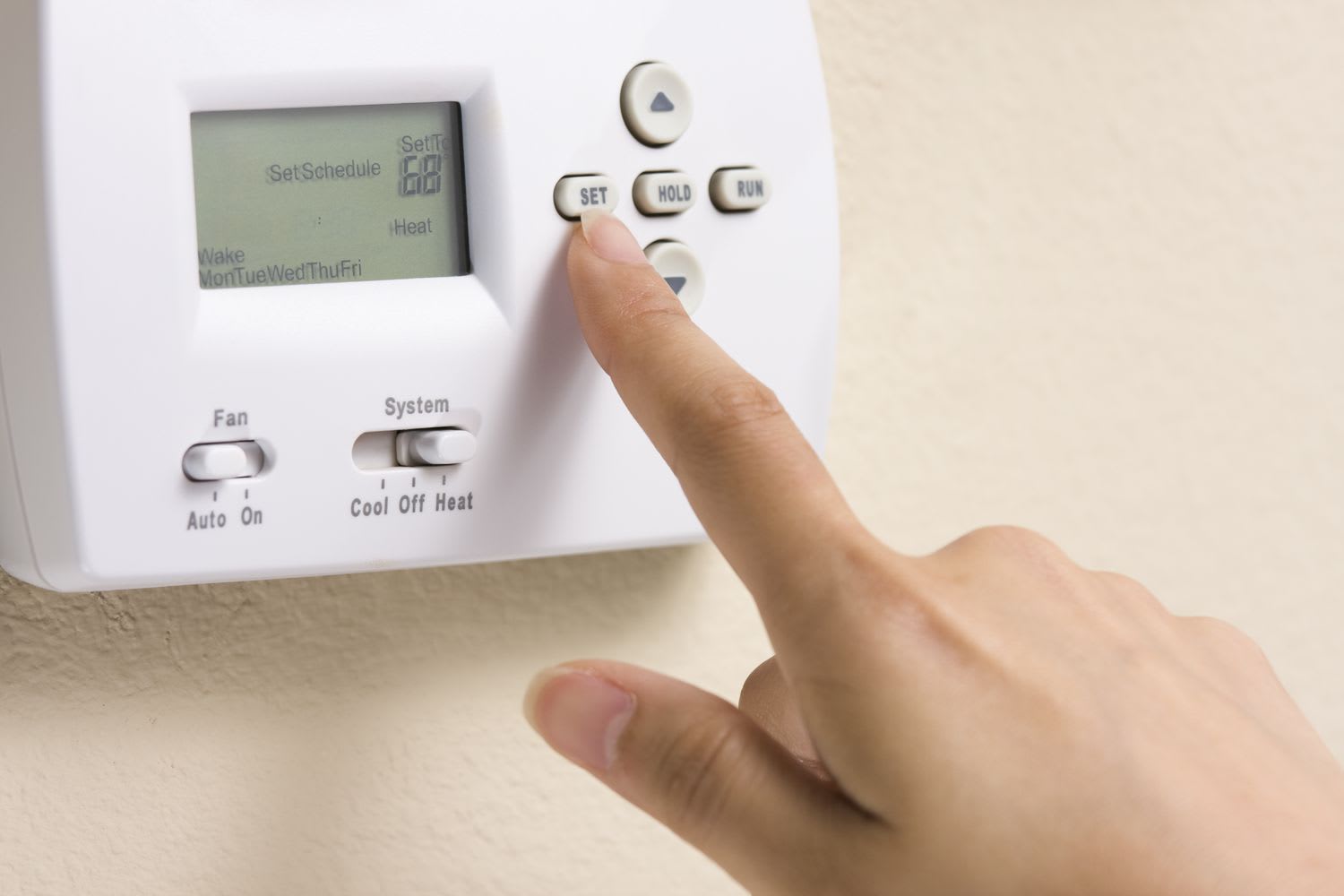
Changing your thermostat based on your day can save a lot. The Department of Energy says lowering it by 7 to 10 degrees for 8 hours a day can cut heating costs by 10%.
Daytime vs. Nighttime Settings
Lowering your thermostat at night can help. Use a programmable thermostat to change the temperature automatically. This way, you won’t waste heat when you’re sleeping or away.
Weekday vs. Weekend Adjustments
Your heating needs change from weekdays to weekends. For example, if you’re away during weekdays, lower the thermostat then. Raise it on weekends when you’re home more.
Manual Thermostat Habits That Save Money
Good habits with your thermostat can also save money. Adjust the temperature manually when you leave or come home. This is better than just using a programmable thermostat.
Key habits include:
- Lowering the thermostat when you’re away or sleeping
- Raising it when you’re active and home
- Avoiding extreme temperature settings
By using these strategies, you can keep your home warm and lower your heating bills. It’s about finding the right balance and being smart about your thermostat settings.
Strategic Use of Window Coverings
Using window coverings smartly can warm your home without spending a lot. By controlling sunlight and keeping warmth in at night, you can cut heating costs.
Maximizing Solar Heat Gain During Daylight Hours
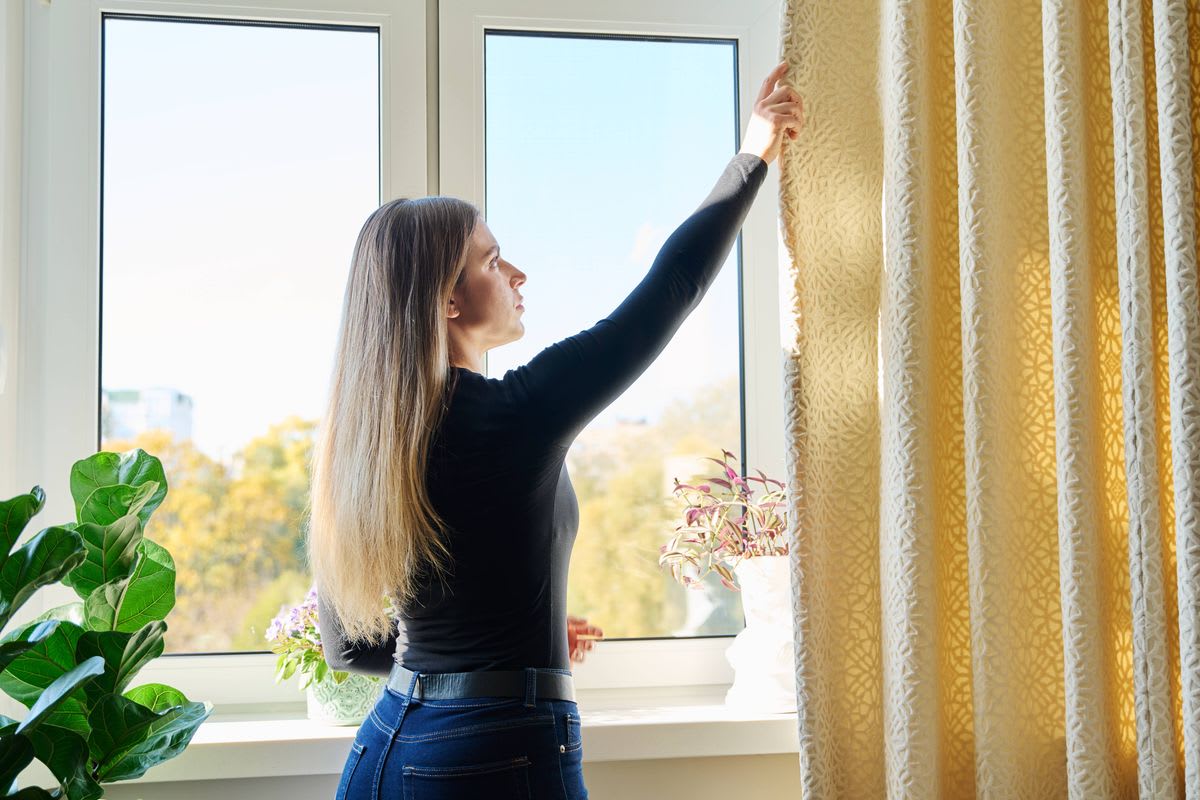
Open curtains or blinds on sunny windows during the day. This lets sunlight warm your home. It’s a low-cost warmth technique that really works.
Direction-Specific Window Management
Windows face different directions, affecting sunlight. South-facing windows get the most sun. East- and west-facing windows get a lot too, but at different times. North-facing windows get the least sun and are not as good for heating.
Nighttime Insulation Techniques
Close curtains or blinds at night to keep warmth in. Thermal curtains are a great heat conservation strategy. They’re made to keep heat from escaping through windows.
Choosing and Using Thermal Curtains
Choose thermal curtains that are thick and have a thermal lining. You can also use DIY solutions like layering regular curtains with thermal liners. Make sure the curtains fit well to keep cold air out.
| Window Orientation | Daytime Action | Nighttime Action |
|---|---|---|
| South-facing | Open curtains for sunlight | Close thermal curtains |
| East/West-facing | Open curtains for sunlight | Close thermal curtains |
| North-facing | Keep curtains closed | Close thermal curtains |
By using these energy-saving tips, you can keep your home warm without spending a lot on heating.
Zone Heating Strategies
Zone heating is a smart way to warm up your home without wasting energy. It focuses on heating only the rooms you use. This can cut down your energy use a lot.
Prioritizing Living Spaces for Warmth
To use zone heating well, first figure out which rooms you use most. These should get the most heat. Think about your home’s layout to heat these areas best.
For example, if you’re always in the living room and kitchen, make sure they’re warm. You can do this by setting your thermostat right or using space heaters.
Proper Vent and Door Management
It’s important to manage your vents and doors for zone heating. Closing vents in unused rooms and keeping doors shut helps. This stops heated air from escaping and saves energy.
- Close vents in unused rooms to redirect heated air to areas that need it.
- Keep doors to unused rooms closed to maintain the warmth in living spaces.
- Consider using vent covers or magnetic vent covers to seal off vents completely.
Common Mistakes That Waste Energy
Avoid mistakes that can mess up your zone heating. These include:
- Leaving doors to unused rooms open, allowing heated air to escape.
- Failing to adjust thermostat settings according to your schedule and preferences.
- Not maintaining your heating system, leading to inefficiencies.
Using Portable Heat Sources Efficiently
Portable heat sources, like space heaters, can help your central heating. Used right, they can lower your heating costs.
To use portable heat sources well, put them where you spend most time. Make sure they’re safe and follow the maker’s use tips.
| Heating Strategy | Benefits | Tips for Implementation |
|---|---|---|
| Prioritizing Living Spaces | Reduces energy waste, lowers bills | Identify frequently used areas, adjust thermostat or use space heaters |
| Vent and Door Management | Prevents heated air from escaping | Close vents in unused rooms, keep doors closed |
| Portable Heat Sources | Supplements central heating, cost-effective | Use safety certified heaters, follow manufacturer’s instructions |
Lower Heating Costs Without Upgrades Through Smart Clothing Choices
Choosing the right clothes can cut your heating costs. Dressing for the cold keeps you comfy and saves energy.
Indoor Layering Systems for Winter Comfort
Wearing layers is a smart way to stay warm inside. It lets you adjust your clothes as needed.
Base, Mid, and Outer Layer Principles
Knowing how each layer works is key:
- Base Layer: Moisture-wicking fabrics that keep you dry.
- Mid Layer: Insulating layers that trap warmth.
- Outer Layer: Wind-resistant and potentially waterproof layer to protect against drafts.
Thermal-Efficient Fabrics for Home Wear
The right fabrics can keep you warm. Wool, fleece, and thermal cotton are great for warmth.
| Fabric Type | Warmth Level | Moisture-Wicking Ability |
|---|---|---|
| Wool | High | Yes |
| Fleece | High | Moderate |
| Thermal Cotton | Moderate | Low |
Extremity Protection: The Key to Feeling Warmer
Keeping your hands, feet, and head warm is important. Hats, gloves, and thick socks help keep heat in.
Smart clothes choices make your home warmer and more energy-efficient.
Heat-Generating Daily Activities
Cooking and bathing can warm your home. They are cost-effective heating solutions. By using these activities wisely, you can make your home warmer without using central heating.
Kitchen Habits That Warm Your Home
Cooking can heat up your home. By changing your kitchen habits, you can make it warmer.
Oven and Stovetop Strategies
- Use your oven to cook many dishes at once. This increases the heat.
- Slow cooking keeps a steady temperature for a long time.
- Choose big burners on your stovetop for large pots. This spreads heat better.
Bathing Routines That Conserve and Distribute Heat
Bathing makes a lot of heat. This heat can spread through your home.
- Long, warm showers make more heat.
- Keep the bathroom door open after bathing. This lets warm air spread to other rooms.
Exercise and Movement as Heating Strategies
Being active can also warm your home. It adds to the body heat.
- Do yoga or dance in your living room. This warms the space.
- Get everyone in the house moving. Together, you can make the home warmer.
Furniture Arrangement for Heat Optimization
Changing how you arrange your furniture can really help your home heat better. A few smart moves can make your living spaces warmer and more efficient.
Clearing Vents and Radiators for Better Airflow
One easy way to boost heating is to make sure vents and radiators are clear. Clearing these spots can really help air move better. This lets heat spread out more evenly in your home. Move your furniture to give vents and radiators at least a 6-inch gap.
Creating Warm Zones in Open Floor Plans
In open floor plans, making warm zones can keep you cozy without heating the whole place. Use area rugs and furniture to mark these zones. This helps keep heat where you need it most.
| Strategy | Benefit |
|---|---|
| Clear vents and radiators | Improved airflow and heat distribution |
| Create warm zones | Efficient heating of used spaces |
| Use rugs and soft furnishings | Enhanced warmth and comfort |
Strategic Use of Rugs and Soft Furnishings
Rugs and soft things not only look good but also help keep warm. Thick rugs can keep floors warm. Curtains and drapes also help by stopping heat from escaping through windows. Try thermal curtains for even more warmth.
Using these furniture tips can make your home warmer without expensive changes. Stay cozy during the cold months without breaking the bank.
Humidity Management for Enhanced Warmth

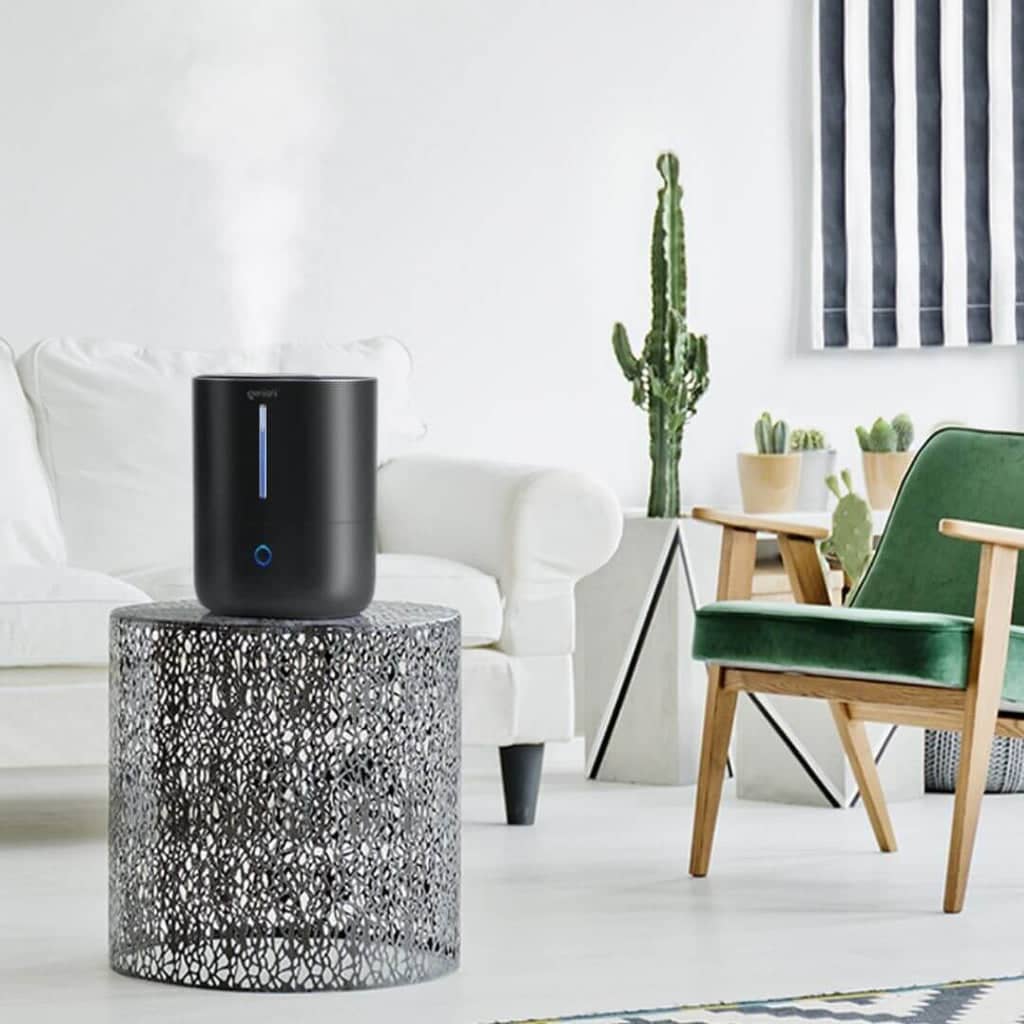
Humidity affects how warm we feel. Dry air makes us turn up the heat. By controlling humidity, you can stay warm without spending more on heating.
The Science of Humidity and Perceived Temperature
Humidity and temperature are linked. Dry air makes us feel colder. But, more humidity makes the same temperature feel warmer. This is why managing humidity saves energy.
No-Cost Humidification Methods
There are ways to add moisture without spending money. These include:
- Cooking: Boiling water or cooking that releases steam adds moisture.
- Bathing: Taking warm baths or showers increases humidity.
- Plant-Based Solutions: Plants release moisture, making the air more humid.
Cooking, Bathing, and Plant-Based Solutions
These methods add moisture and make your home cozy. Cooking a meal or taking a bath can humidify your home. Adding plants also humidifies and purifies the air.
Avoiding Excess Moisture Problems
While more moisture makes us feel warmer, too much is bad. It can cause mold and mildew. Keep humidity between 30% and 50%. Use a hygrometer to check and adjust.
| Activity | Effect on Humidity | Tips for Balance |
|---|---|---|
| Cooking | Increases humidity through steam | Use exhaust fans to prevent excess moisture |
| Bathing | Adds moisture to the air | Ensure good ventilation to avoid mold |
| Having Plants | Naturally increases humidity | Monitor plant health and avoid overwatering |
Understanding and managing humidity makes your home warmer. You don’t need expensive upgrades. This is about home heating efficiency.
Maintenance Habits That Improve Efficiency
Efficient heating isn’t just about the system you have. It’s also about how well you maintain it. Regular maintenance can make your heating system work better. This leads to lower energy bills and a warmer home.
DIY Furnace and Heating System Care
Simple DIY tasks can greatly improve your heating system’s performance. Focus on filter maintenance and vent cleaning.
Filter Maintenance Schedules
Changing your furnace filter regularly is a simple way to keep things efficient. Check your filter monthly and replace it every 1-3 months. This depends on how much you use it and the type of filter.
Vent and Register Cleaning
Dusty vents and registers can block airflow. Vacuuming these areas regularly helps keep airflow optimal.
Sealing Temporary Drafts Without Renovations
Drafts can make your home colder. Sealing them is a cost-effective way to improve heating efficiency.
Temporary Sealing Solutions
Use weatherstripping around doors and caulk around windows to seal drafts. These simple steps can greatly improve your home’s warmth.
Tracking Your Progress: Measuring Your Heating Savings
Now that you’ve started saving energy, it’s key to keep track. Look at your utility bills and how you use energy. This will show if your efforts are working to lower heating costs.
First, check your old utility bills to know your starting point. Then, compare them to your new bills after making changes. Smart thermostats or energy monitors can also show your energy use live. This info helps you see your heating habits and find ways to get better.
By checking your bills and energy use often, you can see how your smart heating works. This helps you save money and makes your home more eco-friendly.
Conclusion
You’re stacking the deck in your favour. Each of those changes on its own doesn’t feel dramatic. Together, over an entire winter, they can mean noticeably lower bills, fewer nasty surprises from your utility company, and a home that simply feels more comfortable to live in.
As Jennifer Granholm put it, “Energy efficiency is a patriotic act” — but it’s also an act of self-care. You’re protecting your budget, making your home more resilient, and doing your quiet bit for the climate at the same time. Start with two or three ideas from this guide that feel easy for you, build them into habits, and then add more. Six weeks from now, when you look at your statement and the house feels warm without the thermostat cranked up, you’ll be glad you did.
FAQs
1. How can I lower my heating bill without turning down the heat?
You’ve got a few good options:
- Stop the drafts: Use weatherstripping, draft stoppers, and caulk around windows and doors. Draught-proofing windows and doors can dramatically cut heat loss from those areas.Historic England
- Use curtains smartly: Open them on sunny windows during the day to let free heat in, close them at night to keep heat from escaping.
- Zone your heating: Close doors to unused rooms and focus the warmth where you actually spend time.
- Layer up: Socks, slippers, fleece, and blankets can allow you to keep the thermostat a bit lower without feeling colder.
Technically, turning the thermostat down is the biggest win — but even if you’re not ready for a big drop, these tricks can take the edge off your bill.
2. What temperature should I keep my house at in winter to save money?
A common guideline is about 68°F (20°C) when you’re awake and at home, and lower when you’re asleep or away. Dropping the setpoint by about 7–10°F for 8 hours a day can save up to 10% on heating costs according to U.S. Department of Energy guidance.Kiplinger
If 68°F feels chilly at first, try stepping down gradually: 71°F → 70°F → 69°F → 68°F over a couple of weeks, while also improving drafts and layering clothes. Your body adapts surprisingly quickly.
3. Is it cheaper to leave the heating on all day or turn it on and off?
For most homes, it’s cheaper to turn it down when you don’t need it than to leave it on all day at one temperature. Modern systems are designed to heat up a space efficiently.
Leaving the heat up constantly means you’re paying to keep your house warm while you’re at work or asleep. Using a programmable or smart thermostat to lower the temperature when you’re out, then bring it back up before you return, is usually the best balance of comfort and cost.Kiplinger
4. How do I keep my house warm without spending a lot of money?
Think “cheap insulation” and “better habits”:
- Block leaks: Draft excluders, DIY weatherstripping, and even rolled-up towels at the bottom of doors make a difference.
- Thick curtains or thermal linings: These are like putting a jumper on your windows.
- Use rugs: Bare floors feel cold and leak heat; rugs help insulate and make rooms feel warmer underfoot.
- Create warm zones: Focus on heating the living room and bedrooms, not the whole house.
- Add humidity: Dry air feels colder. Simple things like drying clothes on a rack (safely), having a few plants, or not over-using extraction fans can nudge humidity into a more comfortable range.One Hour Heating & Air Conditioning
None of those require major building work or expensive tech.
5. What is the cheapest way to heat a single room?
If you just need one room warm (for example, an office or bedroom), you have a few budget-friendly options:
- Use your central heating, but close doors and vents to concentrate the heat in that room.
- For short periods, a modern, thermostatically controlled electric space heater can be cost-effective if you turn down the whole-house thermostat at the same time.
- Make the room easier to heat: close doors, block drafts, use a rug, and pull curtains at night.
The key is: don’t run both the whole house heat high and a space heater — that’s where costs really jump.
6. Does wearing more clothes at home really make a difference to my heating bill?
It sounds too simple, but yes, it does. Your heating system is working to keep you comfortable, not just the air. If you wear:
- A good base layer (T-shirt or thermal top)
- A warm jumper or fleece
- Thick socks and slippers
…most people find they’re comfortable at a lower thermostat setting than they’d otherwise need. Dropping the thermostat by even 1°F (or 0.5°C) can shave a few percent off your heating energy use, and repeated over a whole winter, that adds up.NetVoucherCodes
5. Human feedback
If I were your editor, here’s what I’d tell you over a coffee:
- You picked a really important angle — “lower heating costs without upgrades” is exactly what a lot of people are looking for right now.
- The structure works well: you move from big picture (costs, heat loss) to specific actions (thermostat, windows, zoning, clothing, humidity, maintenance, tracking progress). That’s a very reader-friendly flow.
- I’d sprinkle in a couple of named sources where you already hint at numbers (DOE for the thermostat rule, maybe an energy charity or government site on drafts and humidity), just to add authority.
- Watch for small repetitions (“small changes add up” appears in several sections) — you can keep that message, just vary how you phrase it so it doesn’t feel copy-pasted.
- You’re already good at writing in a calm, reassuring tone. I’d lean into that even more: people reading about heating bills are usually stressed, so your job is half advice, half “it’s going to be okay, here’s where to start.”
Overall: your piece is solid. With a few data references and tiny tweaks for variety, it’s the kind of article that can genuinely help someone get through winter feeling a bit warmer and a bit less worried about the next bill.