Last updated: | Read time: ~10 minutes
According to the U.S. Department of Energy, invisible drafts, hidden air leaks, and poor insulation can aggressively inflate your energy bill by up to 20% every single month. If you mathematically add up all the tiny, hairline gaps around the average home’s doors and windows, it is the volumetric equivalent of leaving a living room window wide open all winter long.

You do not need to replace your existing windows or hire an expensive general contractor to fix this massive heat loss. For less than $30 at your local hardware store, you can completely eliminate the vast majority of these frustrating leaks in a single afternoon. In this comprehensive guide, we will show you exactly how to hunt down invisible drafts and implement the fastest, cheapest ways to permanently seal them up.
1. The “Incense Test”: Finding Invisible Leaks
Before you start blindly applying expensive tape and caulk, you need to know exactly where the warm air is escaping. You can hire a professional auditor to do a pressurized “blower door test,” or you can easily do it yourself for pennies using the classic DIY Incense Test.
How to Perform the Draft Test:
>Wait for a cool, significantly windy day.
>Turn off your HVAC system completely so internal vents are not moving the air artificially.
>Light a stick of incense (or a long barbecue lighter) and hold it about two inches away from the edges of your window frames, exterior door hinges, and the threshold at the floor.
>Move the smoke slowly along the perimeter. If the vertical smoke line suddenly blows horizontally or dissipates rapidly, you have found an active draft. Mark the exact spot with a piece of blue painter’s tape.
2. Sealing Door Drafts
Exterior doors are massive culprits for heat loss. Because they are aggressively opened and closed constantly, the factory weather seals wear down quickly. You need to independently address both the perimeter (the vertical frame) and the threshold (the gap at the floor).
The Perimeter: V-Strip Weather-stripping
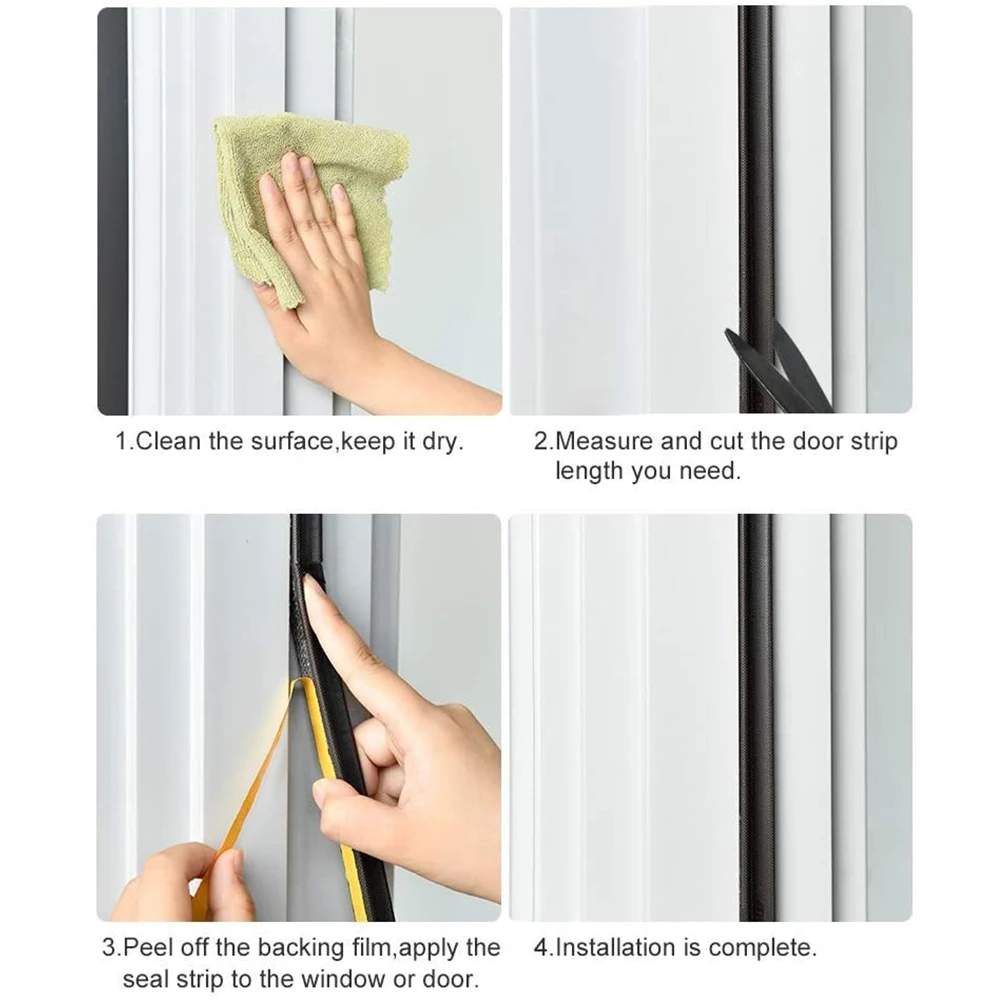
Adhesive foam tape is incredibly cheap, but it degrades rapidly in the sun and can make the door hard to physically close. Instead, buy a roll of V-strip (also known as tension seal) weatherstripping. This is a tough, V-shaped strip of flexible plastic or metal. You stick one side directly to the door frame. When the door closes, it presses tightly against the “V,” creating a firm, airtight tension seal that lasts for years without warping.
The Bottom: Slide-on Door Sweeps
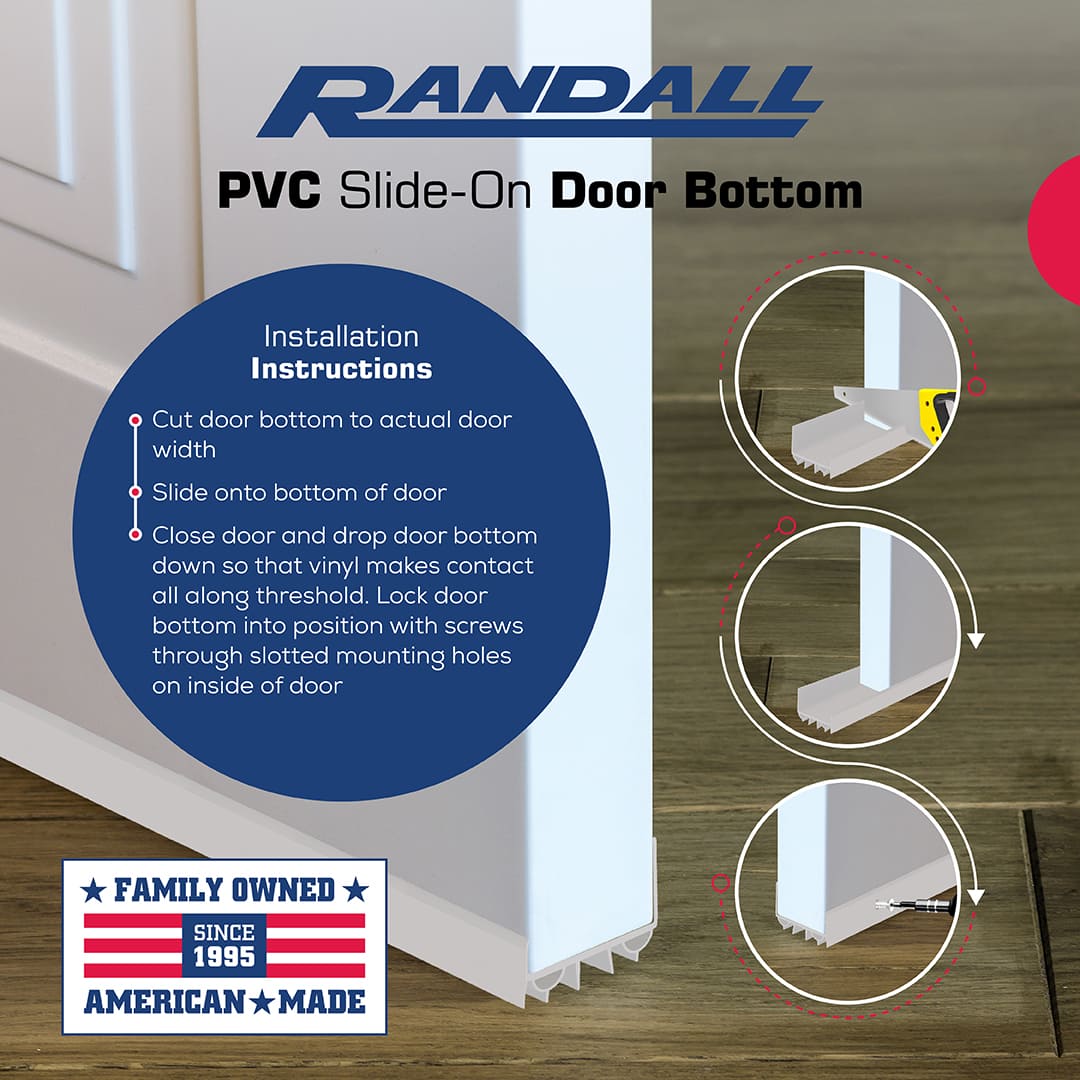
If you can clearly see daylight shining under your front door, your expensive furnace is fighting a losing battle. The easiest, most effective fix is a slide-on door sweep. These are U-shaped pieces of heavy vinyl with flexible rubber fins on the bottom. You simply cut it to the width of your door with heavy scissors, open the door, and slide it snugly onto the bottom edge. Absolutely no drilling, screws, or tools are required.
3. Draft-Proofing Windows
Windows can severely leak air from the moving tracks, or from the point where the wooden frame meets the drywall. Here are two lightning-fast solutions for both problems:
Temporary Fix: Rope Caulk
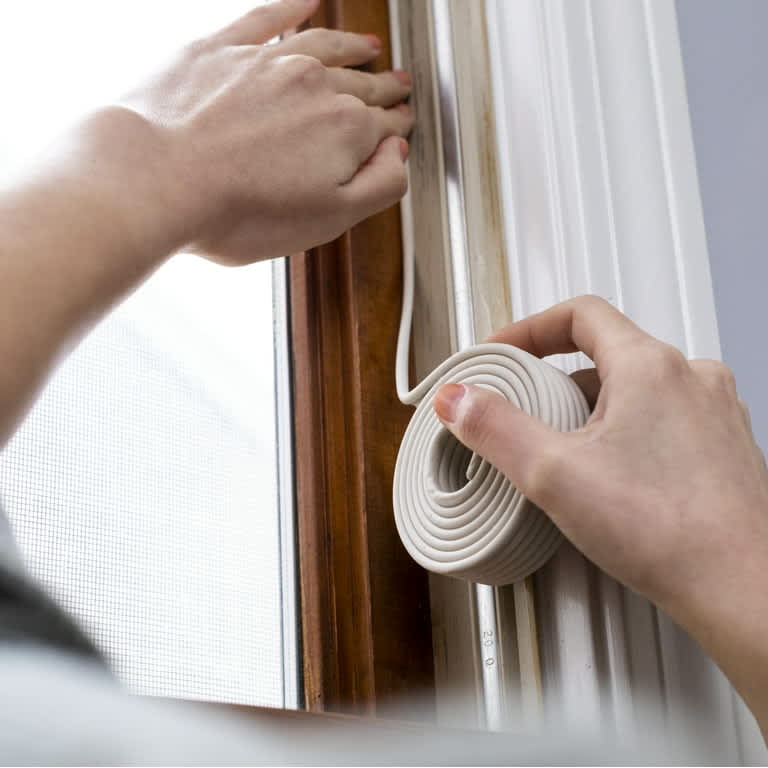
If the aggressive draft is coming from the vertical tracks where the window slides up and down, you cannot use liquid permanent caulk without gluing the window shut forever. Instead, buy a $5 roll of rope caulk (often called mortite). It feels exactly like children’s modeling clay. You simply unroll a strip, aggressively press it into the drafty cracks with your thumb, and leave it there for the winter. In the spring, you pull it right off; it leaves absolutely no sticky residue behind.
Permanent Fix: Clear Silicone
If the draft is bleeding from the gap between the window trim and the interior wall, the original builder’s caulk has likely dried out and cracked. Buy a tube of 100% clear silicone window caulk. Run a thin, steady bead along the entire crack, then smooth it out with a wet finger to press it deep into the gap. It dries totally invisible and permanently stops the air leak from damaging your drywall.
4. Damage-Free Options for Renters
If you rent your apartment or home, your landlord likely will not allow you to apply heavy caulk or install heavy-duty drilled hardware. Here is how to aggressively stop drafts without risking your security deposit:
- • Thermal Curtains:
-
- Buy heavy, thermally lined blackout curtains and ensure they physically extend a few inches past the window frame on all sides. When closed tightly at night, they act as an insulated fabric blanket against the freezing glass.
•
Draft Dodgers (“Door Snakes”): Instead of installing a permanent rubber door sweep, buy a heavy fabric draft dodger filled with sand, clay, or rice. You simply lay it on the floor heavily against the crack at the bottom of the door before going to bed.
•
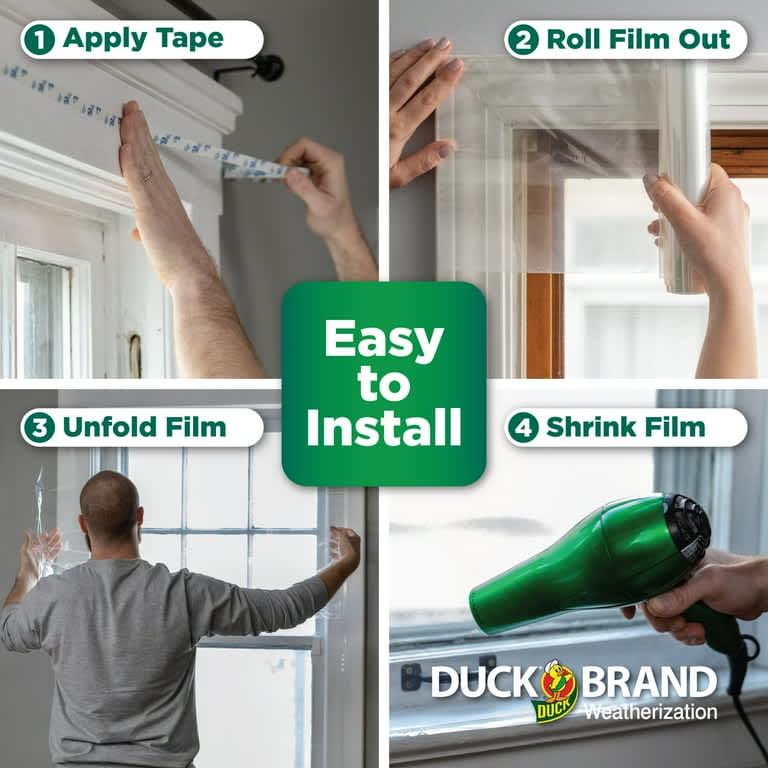
Window Shrink Film: Interior window insulation kits cost about $15. You use specialized double-sided tape to attach a clear plastic sheet over the entire window frame, then use a standard hair dryer to shrink the plastic until it is tight as a drum. It creates a massive, airtight pocket of insulating air over the window, and peels off cleanly when your lease is finally up.
Frequently Asked Questions
Will adhesive weatherstripping permanently damage my paint?
Most modern adhesive-backed weatherstripping (like V-strip or rubber foam tape) is generally safe for fully cured interior paint. However, if the paint is old, chalky, or actively chipping, removing the tape years later might pull some paint flakes with it. To be completely safe, test a small 1-inch piece in a hidden corner first before doing the whole frame.
Should I seal the small weep holes on the outside of my windows?
Absolutely not under any circumstances. The small rectangular holes at the bottom exterior of modern vinyl or aluminum windows are “weep holes.” They are specifically designed to let trapped rainwater drain out of the internal window tracks. If you plug them with caulk to stop a draft, your window frame will fill with standing water, leading directly to toxic mold and catastrophic internal wall rot.
Are plastic draft-proofing kits actually worth the money?
Yes, exponentially so. A standard roll of V-strip weatherstripping and a tube of silicone caulk might cost $25 total at checkout, but they can easily save you well over $100+ over a single brutal winter. It is mathematically one of the fastest return-on-investments in the entire world of DIY home maintenance.