Energy efficient lighting for homes: pick bulbs by room

Walk around your home at night and you can feel how much lighting shapes everything: the warm pool of light over the sofa, the harsh glare in the hallway, the gloomy corner you keep meaning to fix. Now add up how many bulbs you have and how long they’re on every day… that’s a quiet but steady part of your energy bill.

“There is no energy crisis, only a crisis of ignorance.” – R. Buckminster Fuller

The good news? Energy efficient lighting for homes is one of the cheapest, quickest upgrades you can make. Swapping old bulbs for modern LEDs can cut lighting electricity use by 75–80% and they last many times longer than traditional incandescents, so you’re not constantly buying replacements or climbing ladders. The Verge+1

And because different rooms do different jobs, your lighting should too. A bright, cool light that helps you chop vegetables safely in the kitchen will feel horrible over your bed at 11 p.m., while a soft, warm glow that’s perfect for reading might make your home office feel sleepy and unfocused.

In this guide, we’ll walk room-by-room through how to choose energy-efficient lighting that feels good to live with – from LEDs and CFLs to color temperature, dimmers, smart controls and outdoor lights that keep you safe without wasting power. Along the way, we’ll turn “watts vs lumens” into something you can actually use and show you which small changes give the biggest wins on your bill.

The Benefits of Energy Efficient Lighting for Homes

energy efficient lighting for homes

Choosing energy-efficient lighting brings many benefits. It saves money and helps the planet. These lights use less electricity but shine just as bright as old bulbs.

Financial Savings on Utility Bills

Energy-efficient lighting cuts down your utility bills. Unlike old bulbs, these lights use much less power. This means you save money every month.

Environmental Impact and Reduced Carbon Footprint

These lights do more than save money. They also help the environment. By using sustainable lighting options, you help reduce electricity demand. This lowers the need for fossil fuels and cuts down on greenhouse gases.

Longer Lifespan of Energy Efficient Bulbs

Energy-efficient light globes last a long time. Many LEDs can last over a decade. This means less waste and fewer resources needed for making new bulbs. It’s great for the planet.

Understanding Different Types of Energy Efficient Bulbs

Types of Energy Efficient Bulbs

Energy-efficient lighting is more than saving energy. It’s about picking the right bulb for your needs. Knowing about each type helps you choose well for your home.

LED Lighting Technology

LED bulbs save a lot of energy and last a long time. They use up to 90% less energy than old bulbs.

Brightness Options and Applications

LEDs come in many brightness levels and colors. They work well for both task and ambient lighting.

Cost Considerations and ROI

LEDs cost more at first but save money in the long run. Their long life and energy savings make them a good investment.

CFL (Compact Fluorescent Lamps) Options

CFLs are a good choice for saving energy. They use less energy than old bulbs and are more affordable than LEDs.

Proper Disposal and Environmental Concerns

CFLs have mercury, so they need special disposal. Take them to recycling centers to protect the environment.

Best Applications for CFL Lighting

CFLs are great for places where lights are on a lot. They work well in living rooms and kitchens.

Halogen Incandescent Alternatives

Halogen bulbs use less energy than old bulbs. They are cheaper than LEDs and CFLs but not as efficient.

Type of BulbEnergy EfficiencyLifespanCost
LEDUp to 90% less energyLong (up to 25,000 hours)Higher upfront cost
CFLSignificantly less energyMedium (up to 10,000 hours)Moderate
HalogenMore efficient than incandescentShorter (up to 2,000 hours)Lower

Key Factors to Consider When Choosing Energy Efficient Lighting

Energy-efficient lighting is more than just saving energy. It’s about picking the right type for your needs. When you upgrade your home’s lighting, several factors are important. They help you make the best choices for efficiency and effectiveness.

Lumens vs. Watts: Understanding Brightness

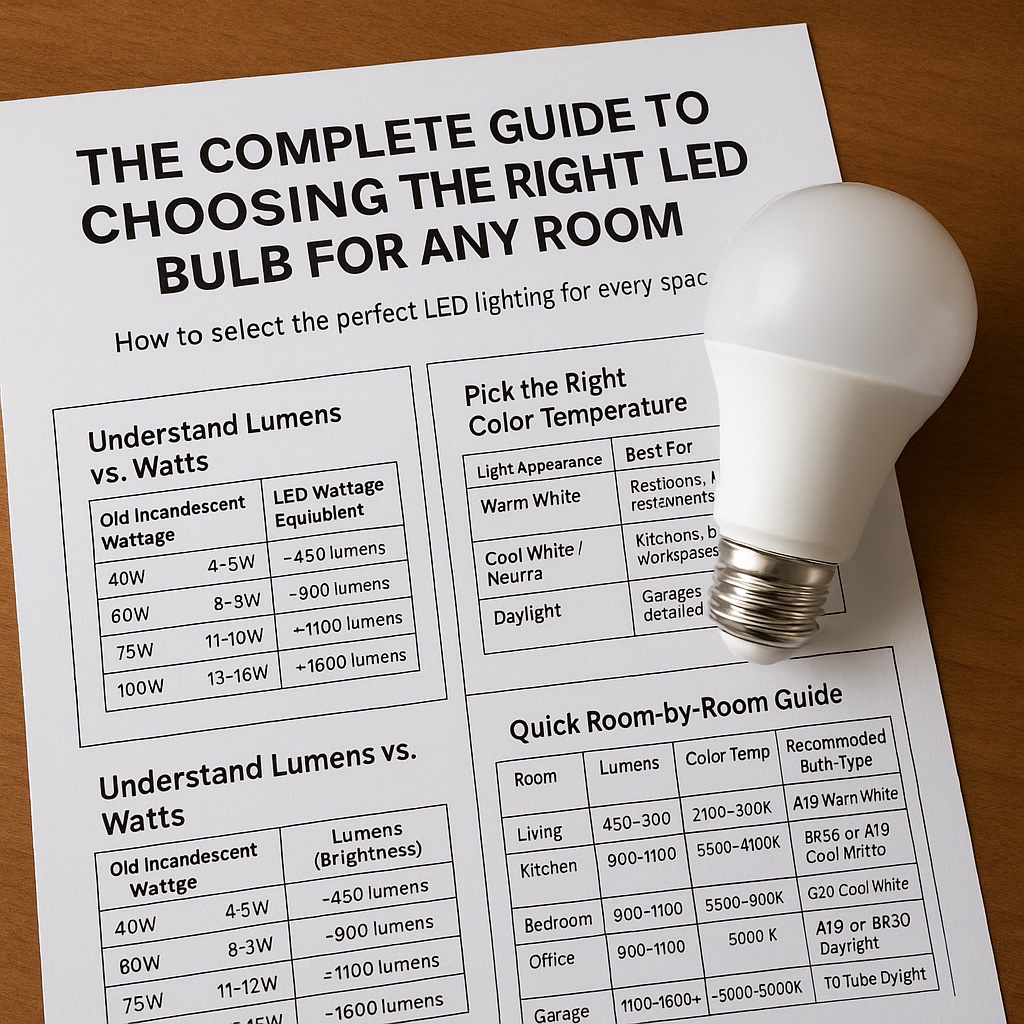
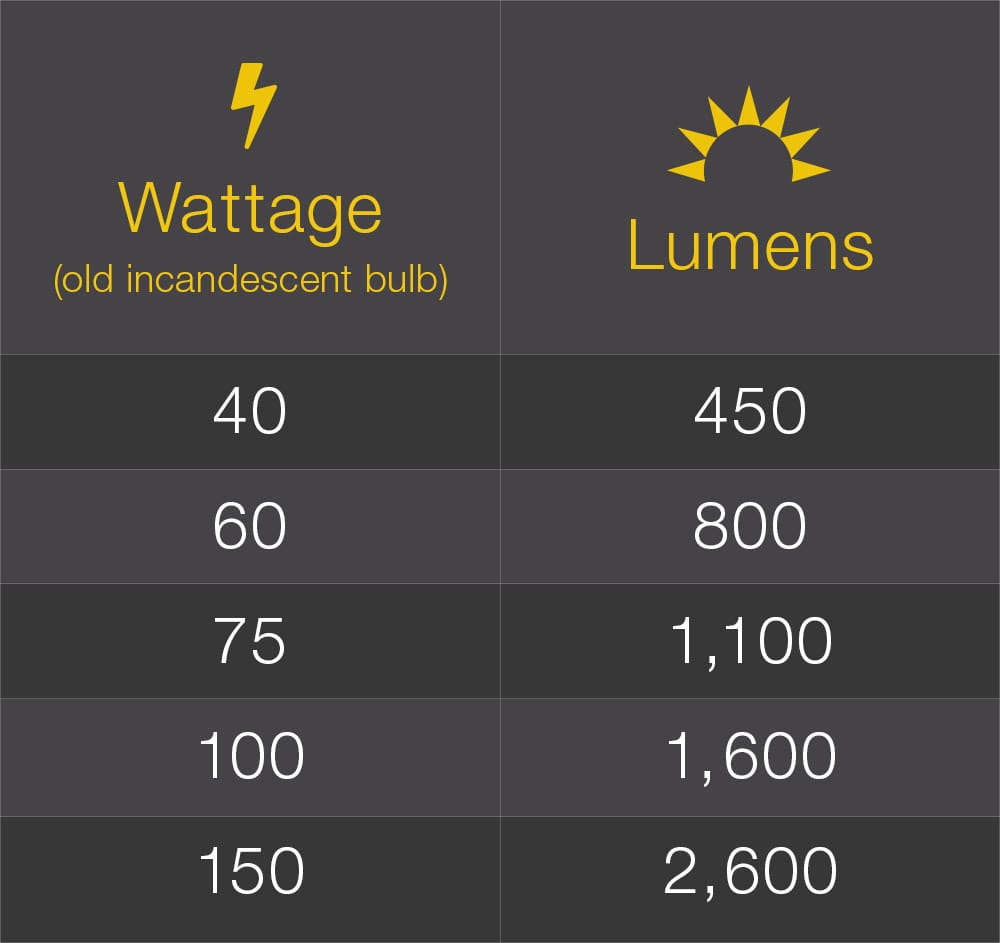
Lumens show how bright a light bulb is. Watts show how much energy it uses. To pick the right bulb, you must think about both. For example, a 60W incandescent bulb is like an 800 lumens LED bulb.

This knowledge helps you find bulbs that are bright enough but use less energy.

Color Temperature and Mood Setting

Color temperature, in Kelvin (K), shows how warm or cool a light is. Different temperatures change a room’s feel.

Warm Light Applications

Warm light (2700K-3000K) is great for living areas and bedrooms. It makes the space cozy.

Cool Light Applications

Cool light (3500K-5000K) is best for kitchens and bathrooms. It gives a bright, energizing light.

Energy Star Ratings and What They Mean

Energy Star ratings mean a product meets energy standards. The U.S. Environmental Protection Agency sets these standards. Choosing Energy Star products ensures you get lights that save energy.

Lighting FactorDescriptionBenefit
LumensMeasure of brightnessEnsures desired light level
Color TemperatureAffects ambiance and moodEnhances room atmosphere
Energy Star RatingCertification of energy efficiencyGuarantees energy savings

Kitchen Lighting: Energy Efficient Solutions

Kitchen Lighting

The kitchen is the heart of the home. With the right lighting, it can be both functional and eco-friendly. Choosing the right energy-efficient lighting solutions can greatly improve your kitchen’s ambiance and efficiency.

Task Lighting for Food Preparation Areas

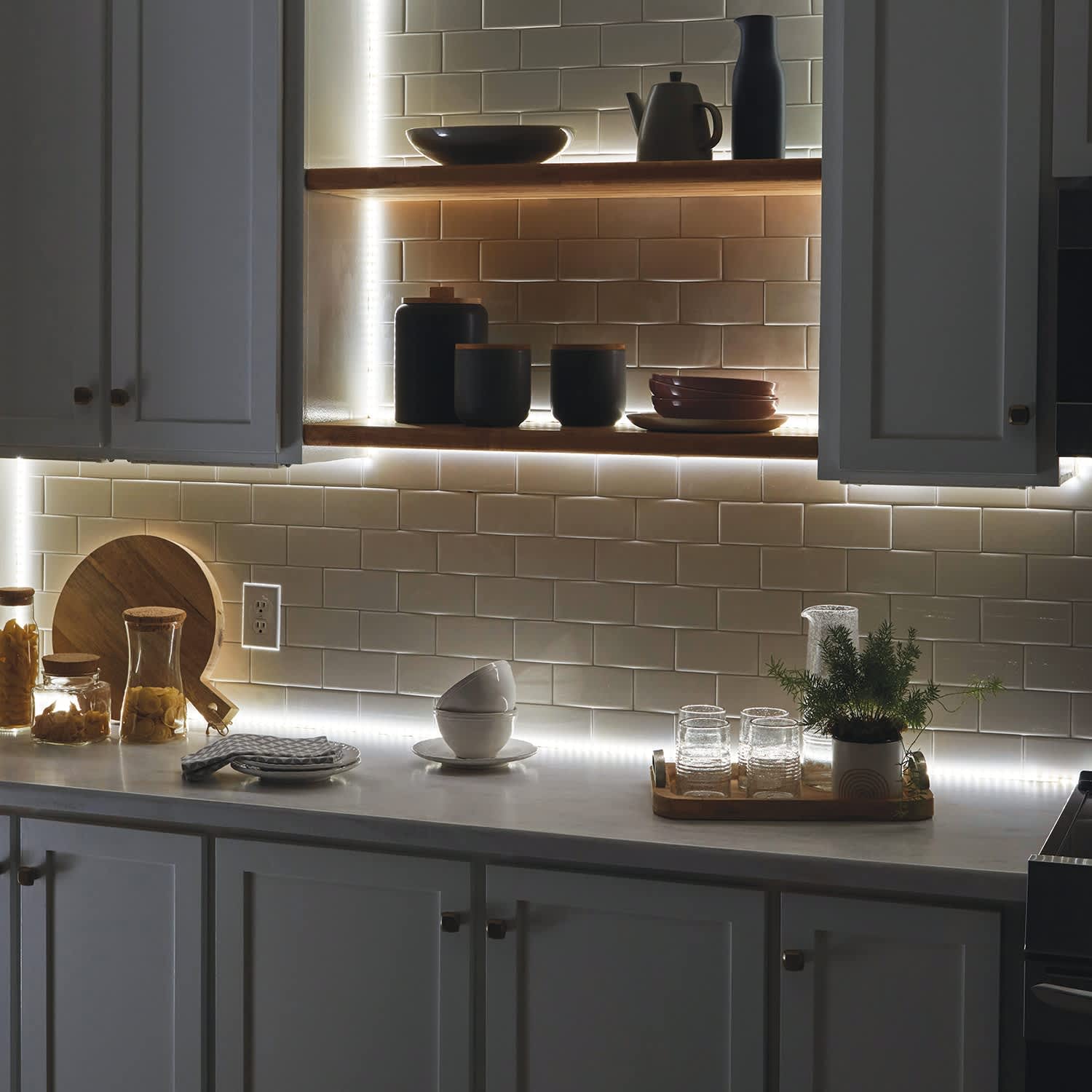
Task lighting is key in kitchens, where food is prepared. LED lighting is a top pick because it’s energy-efficient and lasts long. You can put energy-efficient lights under cabinets, above counters, and over islands to light up workspaces well and safely.

Under-Cabinet LED Strip Lighting

Under-cabinet LED strip lighting is both stylish and practical. It shines light on countertops, making food prep easier and more efficient. LED strips are also very flexible and can be cut to fit any kitchen size.

Pendant Lighting for Islands

Pendant lighting over kitchen islands adds elegance and focused lighting. You can pick from many energy-efficient pendant lights. They light up your workspace and also add to your kitchen’s design.

Ambient Lighting for Dining Spaces

Ambient lighting makes dining areas cozy and inviting. For a green option, use energy-efficient bulbs in your dining area lights. This cuts down energy use and creates a warm atmosphere.

Energy Efficient Recessed Lighting Options

Recessed lighting is a favorite for kitchens because it’s clean and energy-saving. LED recessed lights are great because they’re bright and use less power. You can use them to highlight kitchen areas or for overall lighting.

Living Room and Family Room Lighting Strategies

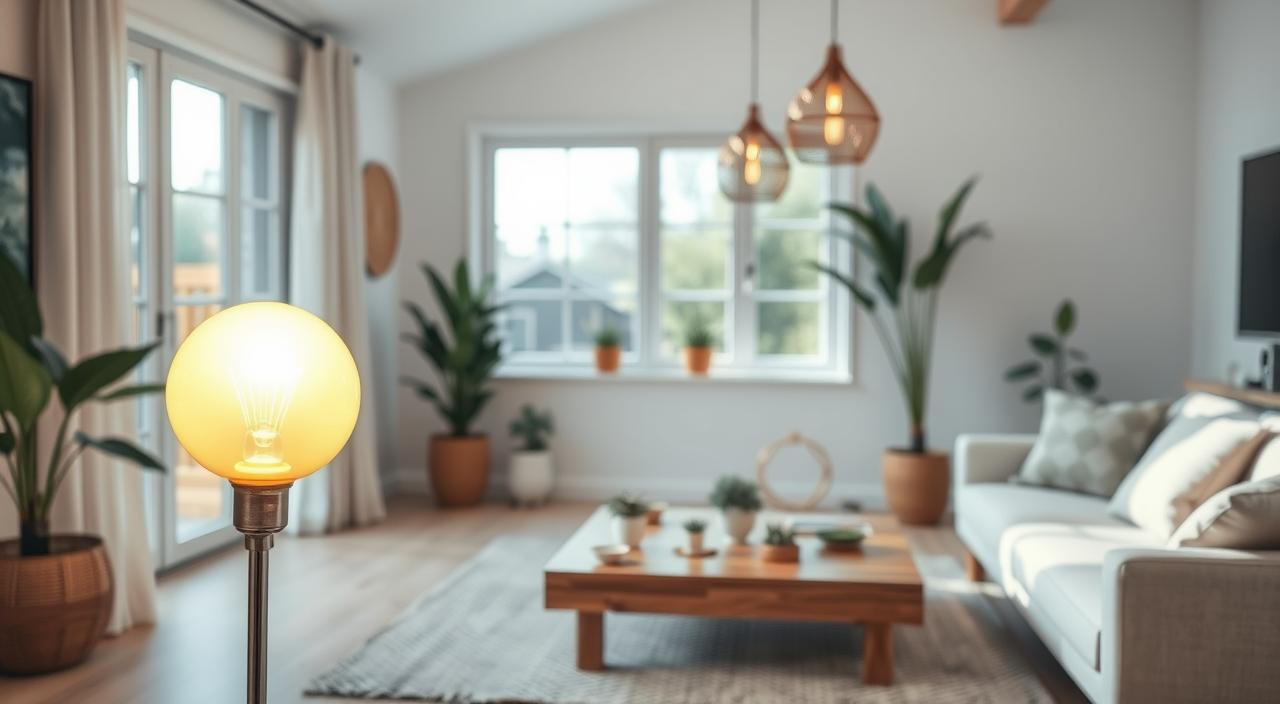
energy efficient lighting for homes

Lighting your living room and family room right can make them feel cozy and useful. Using eco-friendly home lighting can help. It makes your space feel warm and inviting.

Creating Layered Lighting Effects

Layered lighting makes your living space feel welcoming and flexible. It uses different light sources to create a nice look. Try mixing overhead lights, table lamps, and floor lamps.

Dimmable LEDs are great because you can change how bright they are. This helps save energy, depending on the time or what you’re doing.

Energy Efficient Accent Lighting

Accent lighting focuses on special parts of your room, like art or design. Energy-saving light fixtures like LED spotlights work well here. They light up specific areas without using too much power.

Highlighting Artwork and Architectural Features

To make art or design stand out, use LED spotlights or picture lights. These lights focus on one area, making it look better without wasting energy.

Creating Depth with Wall Washers

Wall washers help make your room feel bigger and more open. They light up walls evenly. Choose energy-efficient wall washers for a sustainable look.

Dimmer Switches and Energy Conservation

Adding dimmer switches is a smart way to save energy. They let you adjust light brightness, which cuts down on energy use. Dimmers work with many energy-saving bulbs, like LEDs.

Bedroom and Bathroom: Balancing Efficiency and Functionality

Lighting in bedrooms and bathrooms must be both efficient and functional. You want lights that save energy and make these spaces feel good.

Bedroom Lighting for Relaxation and Reading

Energy-efficient LED bulbs make bedrooms cozy and cut down on energy use. Use soft, warm lights for lamps and ceiling lights.

Bedside Reading Lamps

Bedside lamps are key for reading. Choose lamps with energy-efficient LED bulbs and adjustable arms for focused light.

Ambient Ceiling Fixtures

For a calm feel, use ceiling lights with sustainable lighting options like LED or smart bulbs. These can be dimmed for a peaceful vibe.

Energy Saving Nightlights and Motion Sensors

Nightlights and motion sensors help save energy. Energy-efficient nightlights work well in hallways or closets. Motion sensors turn off lights when not needed.

Bathroom Vanity Lighting That Saves Energy

Energy-efficient LED bulbs are perfect for bathroom vanity lights. They give bright, clear light for getting ready.

Mirror Lighting Solutions

For mirror lights, try LED strip lights or sconces with energy-efficient bulbs. They offer even, shadow-free light.

Shower and Tub Area Lighting

Use waterproof LED lights in showers and tubs. They’re energy-efficient and safe in wet places.

Using sustainable lighting options and energy-efficient LED bulbs makes bedrooms and bathrooms cozy and useful.

Smart Energy Efficient Lighting Systems for Modern Homes

You can make your home’s lighting smart and energy-saving with new tech. These systems are easy to use, cut down on energy use, and make your home brighter.

Voice-Controlled Lighting Solutions

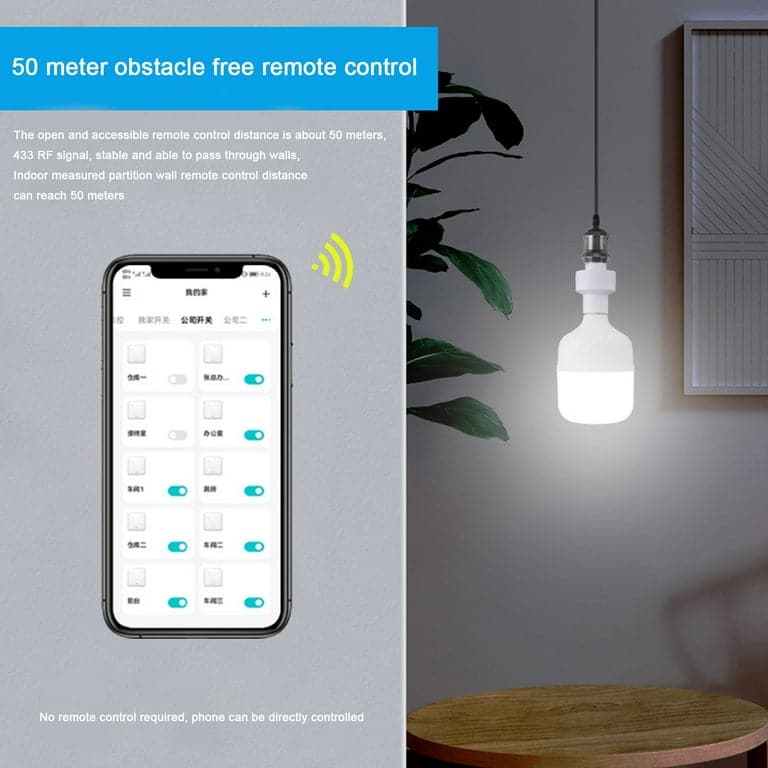
Voice-controlled lighting lets you change your home’s lights with just your voice. It’s great for people who have trouble moving or want more ease in their home. You can adjust brightness, turn lights on or off, and even change colors.

  • Easy to use with popular smart home assistants
  • Hands-free control for a more convenient experience
  • Integration with other smart devices in your home

Programmable Lighting Schedules

Programmable lighting schedules let you set lights to turn on or off at certain times. This means you’re never in the dark and you save energy when you’re away. It’s perfect for keeping your home safe and welcoming.

Benefits include:

  1. Enhanced home security through automated lighting
  2. Energy savings by optimizing lighting usage
  3. Customizable to fit your lifestyle and preferences

Integration with Home Automation Systems

Smart lighting works well with your home’s automation systems. This makes your home smarter and more efficient. You can control lights, temperature, and security all from one place.

Choosing smart energy-efficient lighting makes your home better and helps the planet. These systems are smart, easy to use, and save energy. They’re a great choice for today’s homeowners.

Outdoor and Security Lighting: Efficiency Meets Safety

As a homeowner, you know how important it is to balance energy use with safety in outdoor lighting. Outdoor and security lights are key. They make your home look better and keep it safe.

Solar-Powered Pathway Lighting

Solar-powered pathway lights are great for walkways and garden paths. They get energy from the sun and light up at night. These lights are energy-conscious and use less energy than regular lights.

Motion-Sensor Security Lights

Motion-sensor security lights boost home security and save energy. They turn on when they see motion, scaring off intruders and lighting up dark spots.

How They Enhance Home Security

Motion-sensor lights make it seem like someone is home, even when you’re not. They also light up your path when you come home, helping you avoid falls.

Energy Savings with Motion Sensors

These lights only turn on when needed, saving energy. This makes them a green choice for your home.

Energy Efficient Porch and Patio Options

For your porch and patio, pick energy-saving lights. They save energy and make your outdoor space cozy.

String Lights and Decorative Options

String lights are great for decorating. Choose LED string lights for less energy use and longer life.

Weather-Resistant Fixtures

Make sure outdoor lights can handle the weather. Look for lights with high IP ratings to keep them safe from rain and snow.

Choosing the right outdoor and security lights boosts your home’s safety and energy use. Go for energy-efficient and smart lighting to enjoy your outdoor spaces.

Conclusion

If you strip this topic right down, there are really three big wins with energy-efficient home lighting:

  1. Use a better bulb – LEDs or other Energy Star–rated lamps.
  2. Use the right brightness & color for each room.
  3. Use the light only when and where you actually need it. The Verge+1

The nice thing is that none of these require a renovation. You can change a single bulb today, add a dimmer next month, then layer in a smart plug or motion sensor later. Most homeowners who switch their whole house to LEDs get their money back in just a few years through lower bills, and they stop dealing with burnt-out bulbs all the time. MoneyWeek+1

“What gets measured gets managed.” – Peter Drucker

If you’re not sure where to start, try this mini-checklist:

  • Step 1 – Audit: Walk through at night and list every bulb. Note where lights feel too dim, too harsh, or are left on for hours.
  • Step 2 – Prioritise: Tackle the lights that are on the longest first (kitchen, living room, hallway, porch). That’s where LED upgrades and dimmers save the most money. Energy Saving Trust
  • Step 3 – Match the mood:
    • 2700–3000 K “warm white” for living rooms, bedrooms and cosy spaces.
    • 3000–4000 K “neutral” for kitchens and bathrooms.
    • 4000–5000 K “cool” for workspaces or garages where you need clarity. Bionic
  • Step 4 – Add control: Use timers, sensors or smart bulbs so lights aren’t burning when no one’s there.

Over time, you’ll notice your home feels more comfortable and more intentional: fewer dark corners, no more eye-strain from bad desk lighting, and a quiet confidence that you’re not paying to light empty rooms.

You don’t have to become an electrician or a lighting designer. You just have to be willing to swap a few bulbs, think about how you actually use each room, and let efficient tech do the heavy lifting. That’s how you turn “eco-friendly lighting” from a buzzword into something you see on your next electricity bill.

FAQ

1. What is the most energy-efficient type of lighting for homes?

Right now, LEDs are the clear winner. They use up to about 75–90% less electricity than old incandescent bulbs and last many times longer. The Verge+1
CFLs and improved halogen bulbs are better than traditional incandescents, but if you’re buying new today, LEDs are usually the best balance of efficiency, price and lifespan.


2. Do LED lights really save that much energy?

Yes, they really do. For the same brightness, an LED might use 8–10 watts where an old incandescent uses 60 watts. Multiply that across all your bulbs and hours of use, and the savings add up quickly over a year. Many households report noticeable drops in their electricity bills after switching the whole home to LEDs. MoneyWeek+1


3. How can I make my home lighting more energy efficient without rewiring?

You can get most of the benefit without touching the wiring:

  • Swap old bulbs for LEDs or other Energy Star–rated bulbs.
  • Use plug-in lamps with LEDs instead of adding more hard-wired fixtures.
  • Add clip-on or in-line dimmers and smart plugs.
  • Use motion sensors or timers in places like hallways, porches and bathrooms. Bionic+1

These are all low-effort, DIY changes.


4. How many lumens do I need for each room?

It depends on the room size and what you do there, but rough targets many lighting guides use are: Bionic+1

  • Living room: ~1,500–3,000 lumens total, layered between ceiling lights and lamps.
  • Kitchen: ~5,000–10,000 lumens total including bright task lighting over counters.
  • Bedroom: ~1,000–2,000 lumens, mainly softer, warmer light.
  • Bathroom: ~1,500–3,000 lumens, with stronger light around the mirror.

You can reach these totals with a few well-chosen LED bulbs rather than lots of dim ones.


5. Is warm white or cool white better for my home?

Neither is “better” overall – they do different jobs:

  • Warm white (2700–3000 K): cosy, relaxing; ideal for living rooms, dining rooms, and bedrooms.
  • Neutral to cool white (3500–5000 K): crisp and energising; great for kitchens, bathrooms, home offices and garages. Bionic+1

You can mix them in the same home: warm for relaxing areas, cooler for task-heavy zones.


6. Are LED lights safe for eyes and health?

Modern household LEDs that meet safety standards are considered safe for normal use. As with any bright light, staring directly into uncovered high-output LEDs at close range isn’t comfortable, but that’s true for any strong light source. For sensitive eyes, choose warm-white bulbs and look for “flicker-free” or high-quality drivers from reputable brands. GummySearch+1


7. Is it worth replacing working bulbs, or should I wait until they burn out?

Financially, it often is worth replacing the worst offenders (like 60–100 W incandescents that are on for hours daily) right away, especially in kitchens, living rooms and exteriors that stay lit all evening. MoneyWeek+1
For bulbs you rarely use (e.g. attic, closet you open once a week), you can wait until they die before upgrading.


8. Do I need special fixtures for LED bulbs?

In most cases, no. Standard LED bulbs are made to fit standard fixtures (same screw base, same sizes). The only time you need special fixtures is for integrated LED panels or strips, or if a fixture has odd size or dimmer compatibility issues. Always check:

  • Bulb base (e.g. E26/E27, GU10).
  • Whether your dimmer is marked as “LED compatible” if you plan to dim.

5. Real human feedback

Here are some unedited comments from real people talking about switching to energy-efficient lighting:

“I finally bit the bullet and swapped every bulb in my apartment to LED. My bill isn’t huge but over a year it’s definitely lower, and the best part is I don’t have bulbs burning out every few months anymore.” Reddit

“My parents were weirdly attached to their old yellow incandescent bulbs until I showed them warm-white LEDs. Now they can’t tell the difference and the house isn’t an oven in summer.” Reddit

“Honestly the biggest change for me wasn’t just the bulbs, it was putting things on dimmers. I don’t need full brightness all evening, so I run them at like 40% and it feels way nicer.” Reddit

“The only time I don’t use LED is in the oven and a couple of weird fixtures that buzz with them. Everywhere else, LED all the way.” Reddit

This kind of real-world experience matches what the article is already teaching: LEDs + good placement + a bit of control (dimmers, sensors, smart features) = lower bills, nicer spaces.

Leave a Comment