Trying to radically lower your monthly electricity bill without a smart energy monitor is exactly like trying to lose weight without ever stepping on a scale. You can assume that leaving the kitchen lights on is costing you money, but you absolutely cannot manage what you do not accurately measure.
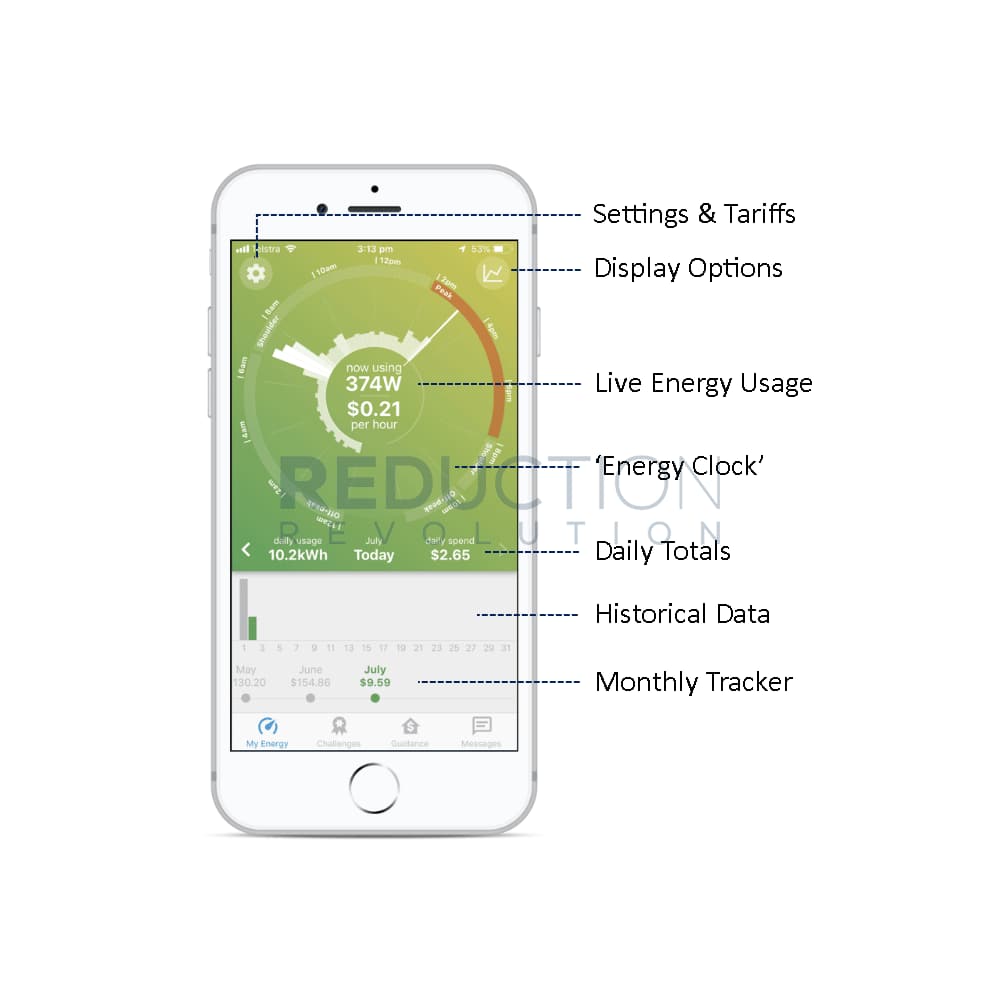
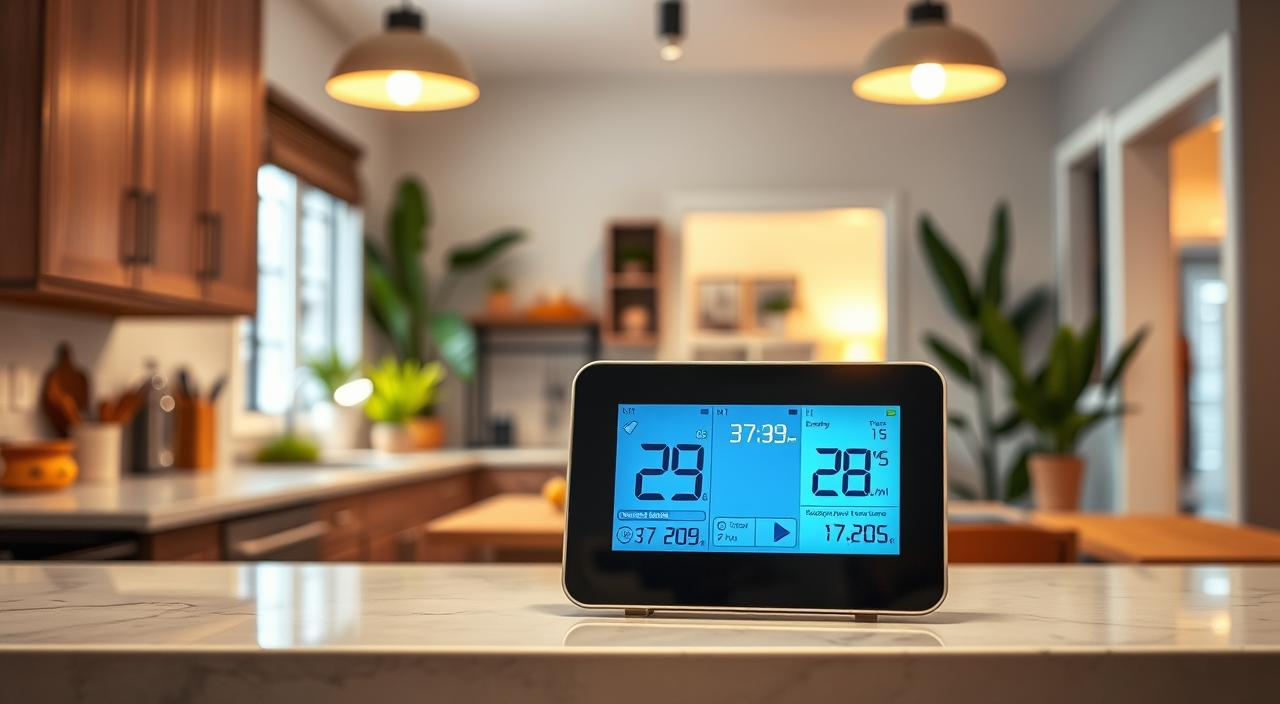
With residential electricity costs continuing to climb across the United States, a home power meter is no longer just a fun gadget for data nerds—it is a strict financial necessity. These sophisticated devices connect directly to your home’s electrical panel or into your wall outlets, showing you exactly how much power your house is pulling in real-time. More importantly, the best power meters instantly identify “vampire” appliances that are secretly draining your wallet while you sleep.
We rigorously analyzed the top energy monitors on the market for 2026, comparing them on raw data accuracy, ease of installation, and actual financial return on investment. Here are the devices that will actually help you cut waste.
1. Whole-Home vs. Plug-In Monitors
Before purchasing a monitor, you need to decide exactly how deep into the electrical data you want to go. There are two primary types of power meters available to consumers:
-
-
- >
Whole-Home Monitors (Panel Installed):
-
-
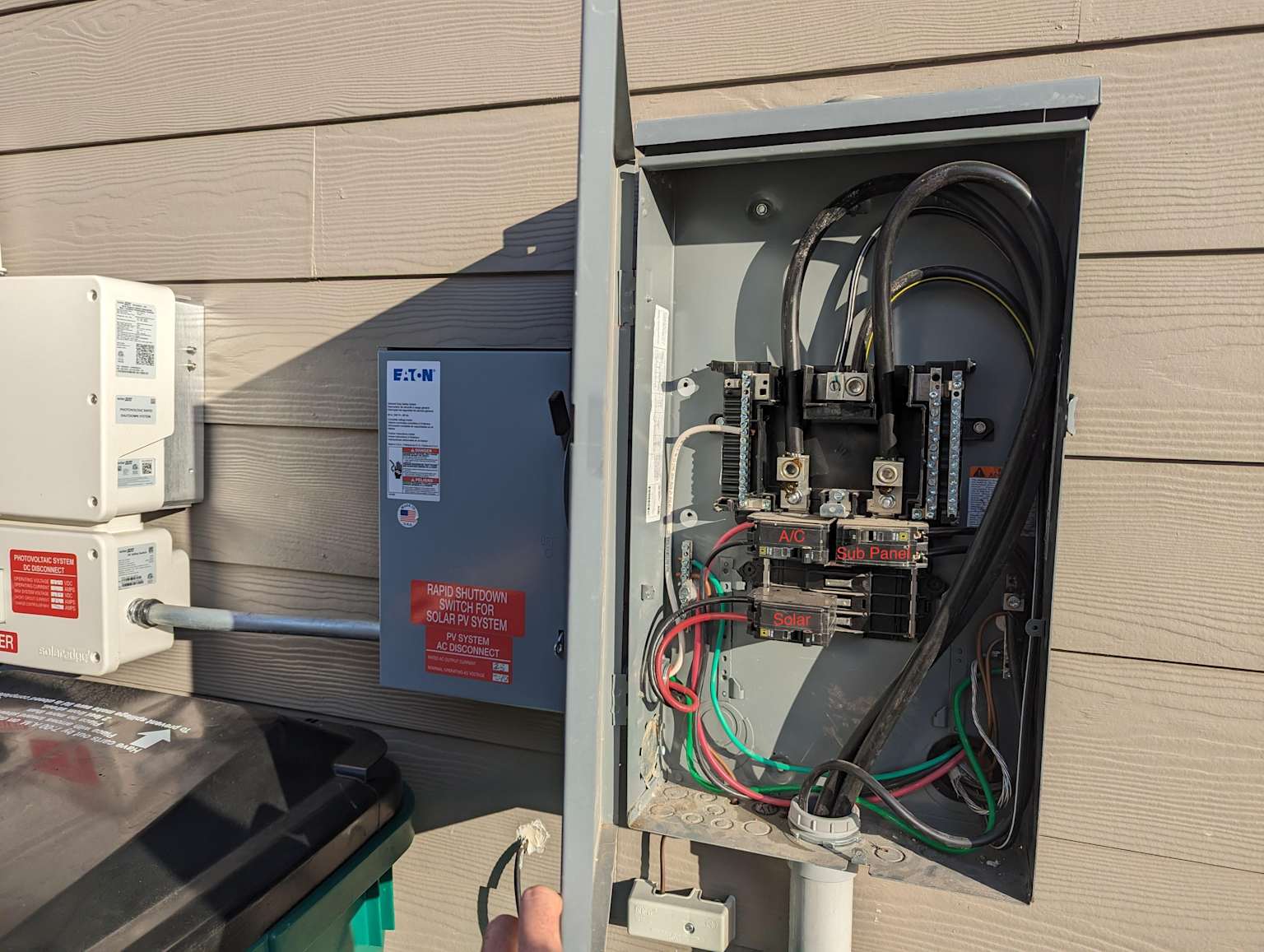
- These install directly inside your main electrical breaker box. They continuously monitor every single watt flowing into your house from the grid. They are incredibly powerful but require physically working with live wires, meaning most homeowners should hire a licensed electrician for safe installation.
> Plug-In Monitors (Outlet Level):
These are incredibly simple devices that plug into a standard wall outlet, and then you plug your appliance directly into the monitor. They only measure the specific device plugged into them, but they require absolutely zero technical skill to use safely.
2. Best Overall: Sense Home Energy Monitor
The Sense Energy Monitor remains the undisputed gold standard for smart home energy tracking. Rather than forcing you to attach a physical sensor to every individual circuit in your house, Sense uses just two main sensors on your electrical mains and relies on advanced machine learning to do the rest, according to smart home reviewers.
Sense actively “listens” to the electronic signatures of your devices. Over the course of a few weeks, it magically learns the exact difference between your refrigerator kicking on and your garage door opening. It then categorizes this highly specific data in a beautifully designed mobile app.
| Pros | Cons |
|---|---|
| ✓ AI appliance recognition without messy wires ✓ Seamless Alexa and Google Assistant integration ✓ Exceptional app interface |
✗ Machine learning can take weeks to identify devices ✗ Higher upfront cost (~$299) ✗ Requires a constantly stable Wi-Fi connection |
3. Best for Data Nerds: Emporia Vue Gen 3
If you do not want to wait weeks for machine learning to finally figure out your appliances, the newly released Emporia Vue Gen 3 is your definitive answer. This highly advanced system uses up to 16 individual circuit sensors that physically clamp directly onto the wires inside your breaker box.
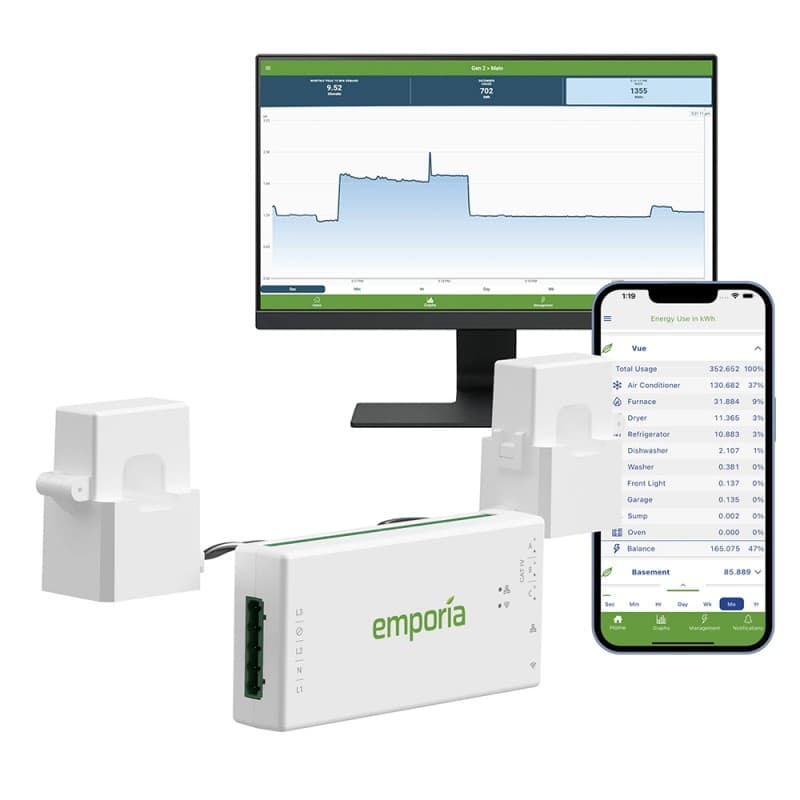
The result is instant, assumption-free data tracking. You know exactly what the kitchen circuit is pulling versus the heavy HVAC circuit, with data accurate to a staggering ±2%. As noted by energy tech analysts, it is also incredibly well-suited for homes with rooftop solar panels, as it can actively measure energy production alongside home consumption simultaneously.
Installation Warning
Because the Emporia Vue Gen 3 physically requires attaching 16 clamps into a highly crowded, live 200-amp electrical panel, we highly recommend budgeting an extra $150 to $250 to have a certified, licensed electrician install this unit safely.
4. Best Budget Option: Kill A Watt EZ
You do not need to wire your main electrical panel to save serious money. The classic Kill A Watt EZ is a simple plug-in monitor that usually costs less than $35. You plug it into the wall, and then immediately plug your TV, space heater, or gaming console directly into it.
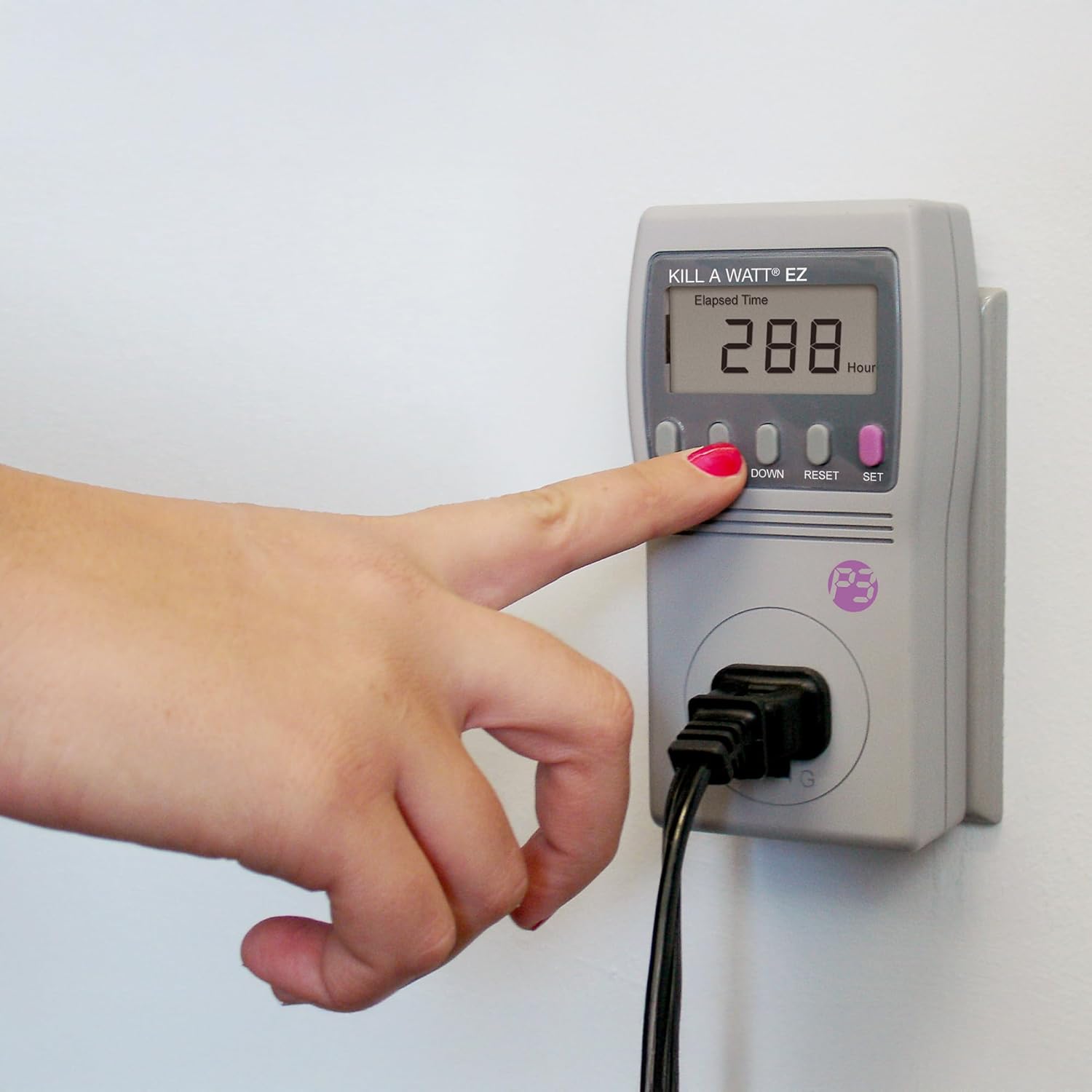
The digital LCD screen instantly tells you exactly how many kilowatt-hours (kWh) that specific device is currently using. By deliberately moving this single monitor around your house over a weekend, you can easily hunt down “phantom loads” (devices that constantly pull power even when turned off) and calculate exactly how much your aging basement refrigerator is costing you per year.
Frequently Asked Questions
Are smart power meters actually worth the money?
Yes, but only if you actively act on the data they provide. A whole-home monitor might cost $200. If the app reveals that your old chest freezer and a constantly running pool pump are wasting $30 a month, the device entirely pays for itself in less than seven months.
What is a “Vampire Load” or “Phantom Power”?
This refers to modern appliances that continuously consume electricity even when they are “turned off.” Gaming consoles on standby, cable boxes, and smart TVs actively waiting for a voice command are the biggest offenders. A plug-in monitor will reveal exactly how much these devices draw in standby mode.
Can a power meter successfully monitor my solar panels?
Specific models can. Both the Sense Home Energy Monitor and the Emporia Vue Gen 3 have specific solar-compatible hardware versions. They will show you exactly how much power your panels are generating versus how much power your home is consuming in real-time, helping you maximize your grid-tie limits.